

Building a modern street car capable of running nine-second quarter-mile passes and driving home is easier today than ever before. We live in a golden era of horsepower where affordable boost and tunable electronic fuel injection have completely changed the performance landscape. Sizing a turbo system correctly is the absolute most critical step in building a boosted engine that is actually fun to drive.
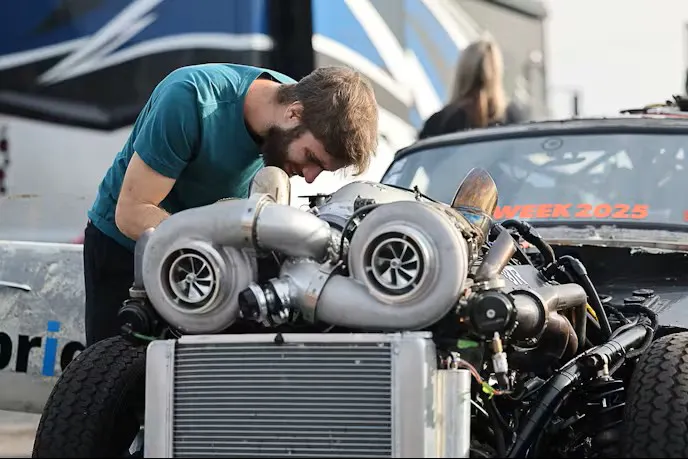
Avoiding The Oversized Trap
The most common mistake enthusiasts make is immediately reaching for the largest compressor wheel they can afford. While a massive turbocharger will definitely produce incredible top-end horsepower numbers on a dyno, it usually introduces terrible lag on the street. Mike Schmidt from Summit Racing Equipment points out that an oversized unit will make the car feel sluggish at lower rpm, completely ruining throttle response. For street applications where you need instant passing power, a smaller and more efficient unit will spool faster and build a much broader torque curve.

Sizing A Turbo System For Your Goals
Dialing in the right parts comes down to being honest about how the vehicle will actually be used. A dedicated drag car operates at wide-open throttle, making a large race turbo ideal. Conversely, a street machine needs to transition smoothly from cruising speeds to full boost. Summit Racing offers a wide range of options, from the quick-spooling 66-millimeter SUM-2600 Series to the massive 76-millimeter SUM-2700 Series race units featuring billet forged compressor wheels. Matching the turbo to your engine’s realistic rpm range and flow capabilities prevents the setup from falling on its face down low.
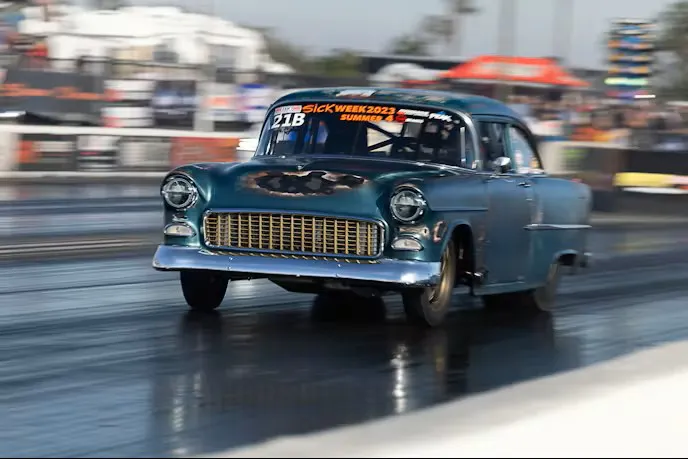
Controlling The Exhaust Gas
A complete kit requires a high-quality wastegate to bleed off exhaust pressure and control boost levels. Going too small here can lead to dangerous over-boosting, while a massive wastegate might cause sluggish boost gains. For the vast majority of street and strip builds, a 44-millimeter wastegate is the absolute sweet spot. A single 44-millimeter unit can comfortably manage up to 600 horsepower, and pairing two of them together works perfectly for twin-turbo setups exceeding 1,000 horsepower.
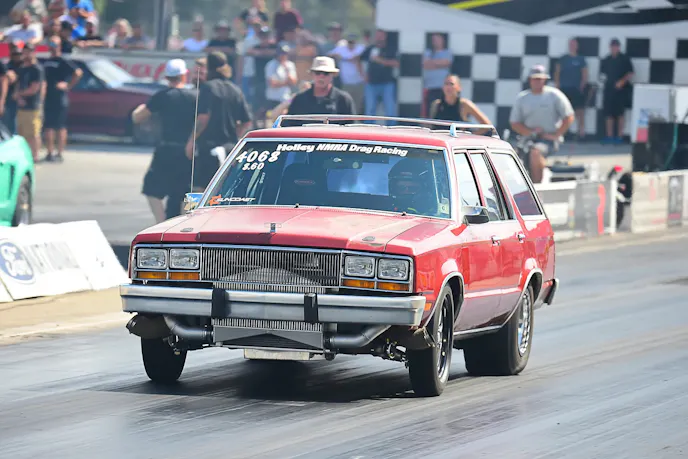
Protecting The Compressor
When the throttle blade snaps shut, the compressed air needs a place to go to prevent compressor surge from destroying the turbo internals. This is where the blow-off valve comes into play. Unlike wastegates, you cannot really go too big with a blow-off valve. Staying within the 38-millimeter to 50-millimeter range works perfectly for almost every application. The final piece of the puzzle is engine preparation. While junkyard engines are great, pushing serious boost usually requires upgrading to forged pistons and quality fasteners. Ultimately, correctly sizing a turbo system ensures all these components work in harmony to deliver reliable and explosive power.
At the end of the day, this isn’t about chasing the biggest number on a dyno sheet. It’s about building a car that actually delivers where it counts. Anybody can bolt on a giant turbo and make a hero pull. The real win is a setup that lights quickly, pulls hard, and feels alive every time you roll into the throttle.
That’s what proper turbo sizing really comes down to. Matching the compressor, wastegate, and supporting hardware to your engine and your goals creates a combination that works together, not against itself. When everything is right, you don’t get lag, spikes, or dead spots. You get smooth, repeatable power that makes the car faster everywhere, not just at the top of the tach.
You might also like
Cadillac Celebrates 125 Years With A $239,000 Escalade-V Collector Series
Cadillac unveils the 2027 Escalade-V 125th Anniversary Collector Series, a $239,000 supercharged V8 SUV limited to just 252 examples.