

Much to the delight of pretty much all of us, General Motors remains committed to V8 power. However, to continue meeting strict fuel economy regulations, the company must continue to implement cylinder deactivation technology. Officially known as Displacement on Demand (DOD), Active Fuel Management (AFM), and Dynamic Fuel Management (DFM), these clever systems vary the engine’s cylinders based on load. Unfortunately, adding more moving parts, specialized lifters, oil passages, solenoids, and control hardware also means adding more opportunities for something to go wrong.
When things do go wrong, they can get expensive in a hurry. What starts as an annoying valvetrain tick or a single-cylinder misfire can eventually turn into a collapsed lifter, a damaged camshaft, bent pushrods, or even metal passing through the engine’s oiling system. Since those failures have become somewhat prevalent, deleting DOD, AFM, and DFM is one of the most common conversations surrounding modern LS and LT engines.
But here’s the thing: a proper delete involves a lot more than buying the cheapest kit you can find, plugging a few oil passages, and turning the system off with a tuner. Different generations of GM small-blocks use different hardware, and everything from the cam and lifters to the valley cover, pushrod geometry, and calibration needs to work together. So instead of relying on questionable forum advice and your buddy’s cousin who once cam-swapped a Silverado, we went straight to the experts at Michigan Motorsports. If you’re thinking about eliminating cylinder deactivation from your LS or LT, here’s what you need to know before pulling that first valve cover.
LSX Mag: What are Displacement on Demand, Active Fuel Management, and Dynamic Fuel Management, and why do people delete those systems?
Michigan Motorsports: Displacement on Demand, later branded as Active Fuel Management, is a GM cylinder-deactivation system that shuts down cylinders 1, 4, 6, and 7 during light-load operation. The two names describe essentially the same four-cylinder deactivation strategy and are often used interchangeably in the LS community. Dynamic Fuel Management, found on newer Gen V LT engines, expands the concept by using multiple cylinder combinations and allowing the engine to operate on as few as two cylinders when conditions permit.
Within these systems, specialized deactivation lifters, oil-control passages, solenoids, and Valve Lifter Oil Manifold (VLOM) or DFM control hardware work together to increase the vehicle’s fuel economy. But that fuel-economy benefit comes with added mechanical and hydraulic complexity. When one part of that system fails and just the visible symptom is addressed, the result can be a collapsed lifter, a damaged camshaft, or repeated repairs.
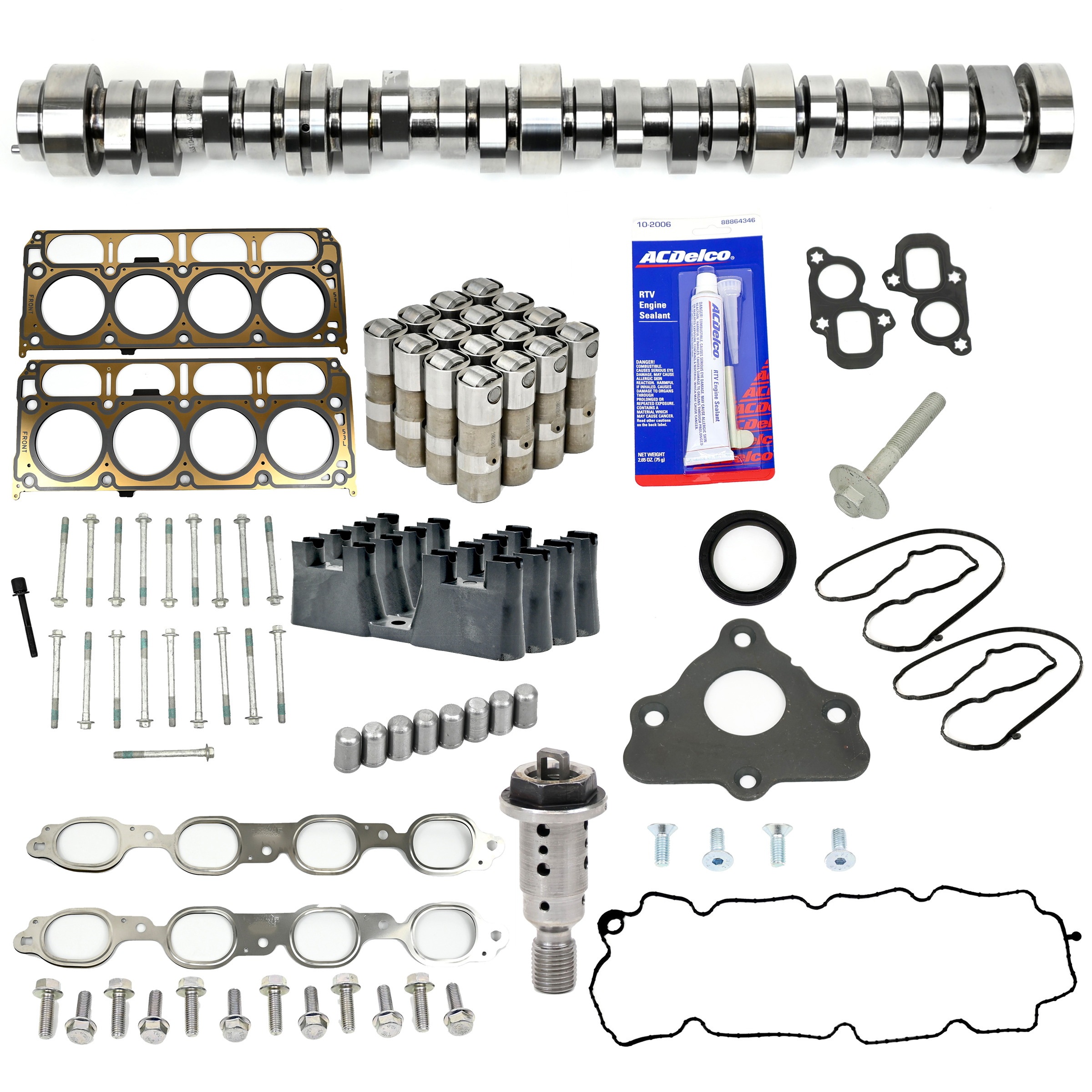
A true delete replaces the engine’s deactivation hardware with a conventional lifter-and-camshaft arrangement. Michigan Motorsports is especially well-positioned to guide that conversion with an AFM DOD DFM catalog that is organized around specific Gen IV LS and Gen V LT engine families. In addition to matched kits, we offer OEM-replacement camshaft options, oil-control solutions, and access to professionals who understand exactly how all those pieces must work together.
LSX Mag: What are the common signs of a failing DOD/AFM/DFM system?
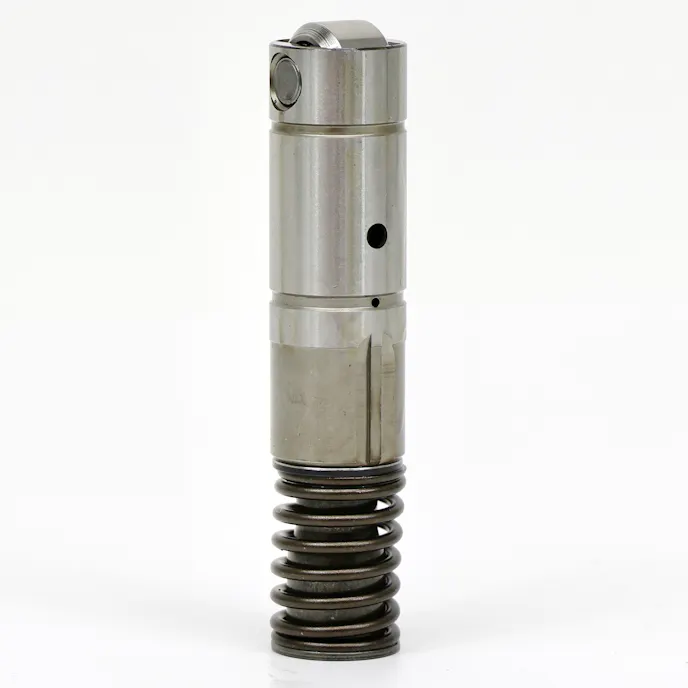
Michigan Motorsports: Most owners experience a collapsed deactivation lifter. It often shows up as a single-cylinder misfire, a persistent valvetrain tick, rough idle, reduced power, and a check engine light with a cylinder-specific misfire code. In some cases, the noise is heavy enough to be mistaken for a connecting-rod knock, making accurate diagnosis important before parts are ordered or the engine is opened.
Once a lifter stops following the camshaft correctly, the damage can spread. A pushrod may bend, the lifter roller may stop rotating, and the cam lobe can begin to wear. Metal from that wear then enters the oiling system. At that point, the repair is about more than simply silencing a tick; it’s about determining how far the failure has progressed. Consulting Michigan Motorsports before ordering parts can help a builder separate a basic delete from a repair that also requires a camshaft, pushrods, an oiling-system inspection, or additional cleanup. Once that step is determined, our staff can match the solution to the customer’s specific engine rather than a universal parts list.
LSX Mag: Should a builder replace the camshaft during a DOD/AFM/DFM delete?
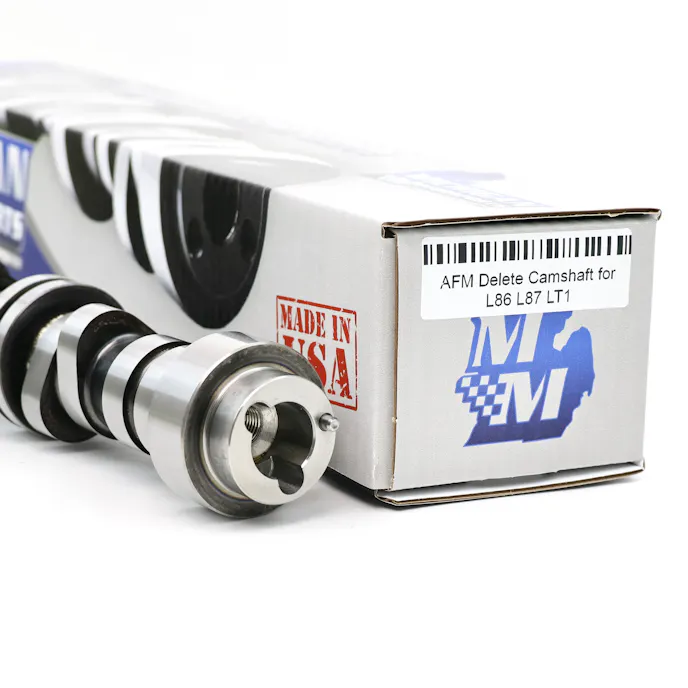
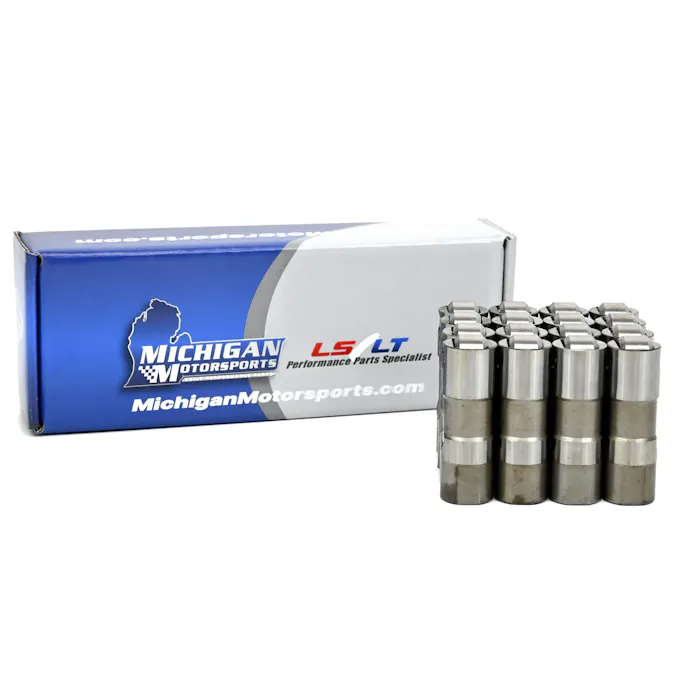
Michigan Motorsports: Yes. A proper mechanical delete pairs conventional lifters with a non-DOD/AFM/DFM camshaft. The factory deactivation cam uses different lobe profiles on the cylinders equipped with DOD, AFM, or DFM lifters. Installing conventional lifters while retaining a DOD/AFM/DFM cam can create uneven compression, misfire codes, and poor engine operation. The original cam should also be inspected for lobe damage caused by a collapsed lifter.
Michigan Motorsports Delete Kits are available with OEM-replacement camshaft options designed to preserve factory-like idle quality and drivability. Builders who want more power can instead choose an aftermarket cam package, and Michigan Motorsports can help match it with the correct lifters, valve springs, pushrods, timing components, and tuning path for the application.
LSX Mag: What Powertrain Control Module (PCM) tuning is required after a DOD/AFM/DFM delete?
Michigan Motorsports: The Powertrain Control Module (PCM) or Engine Control Module (ECM) must be recalibrated so it no longer commands cylinder deactivation. Generally, with an OEM-replacement stock-spec non-DOD camshaft, the primary calibration change is disabling the DOD, AFM, or DFM function and related diagnostic logic. Depending on the vehicle, that can be handled with a compatible handheld programmer, HP Tuners, a mail-order calibration, or a qualified tuning shop.
An aftermarket camshaft requires a bit more than simply switching off cylinder deactivation. Idle airflow, fueling, spark, torque modeling, and other drivability tables must be adjusted for the new cam profile. Because Michigan Motorsports supports both OEM-replacement and aftermarket camshaft paths, our team can help determine whether a combination needs only deactivation-related calibration changes or a full custom tune. It is important to note that a tune by itself is not a mechanical delete, as it leaves the original lifters and oil-control hardware inside the engine.
LSX Mag: What parts are normally replaced during a DOD/AFM/DFM delete?
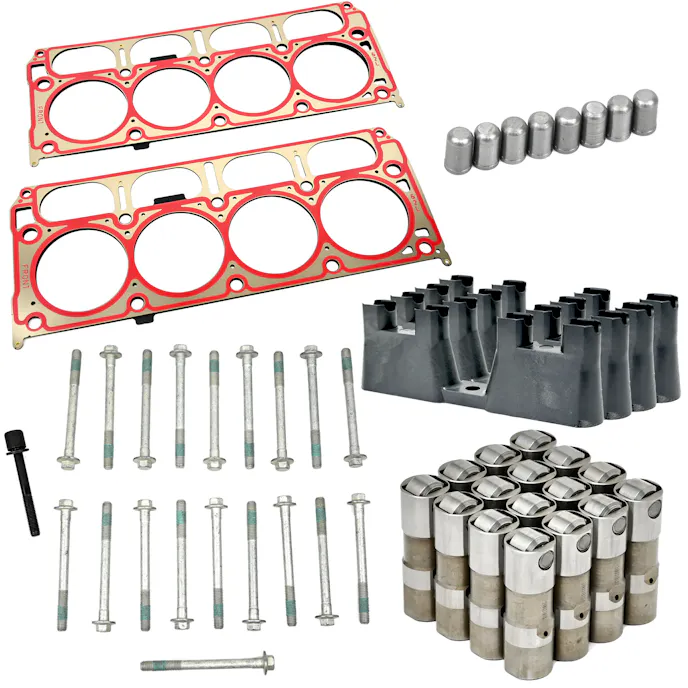
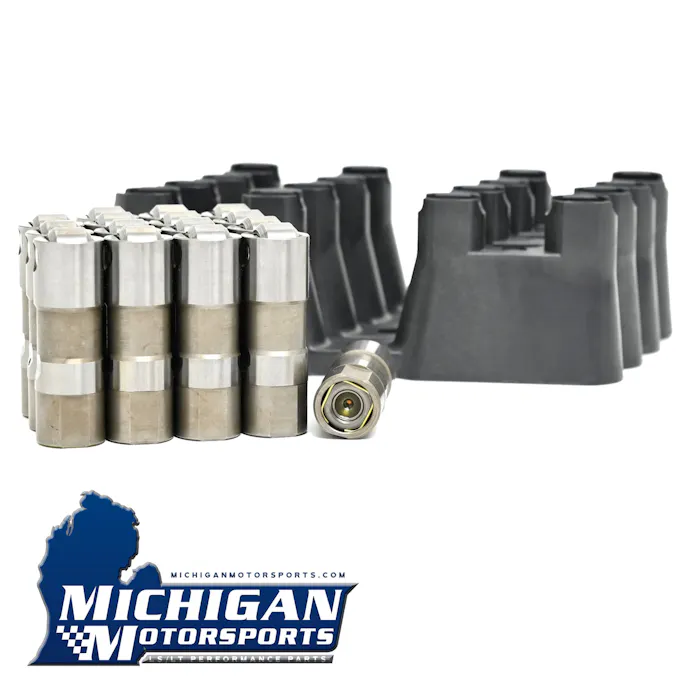
Michigan Motorsports: The core conversion includes a compatible, non-DOD camshaft, conventional roller lifters, new lifter guide trays, and the correct method of blocking the deactivation oil circuit. Because the cylinder heads must be removed to reach the lifters, the job also requires the appropriate head gaskets, head bolts, exhaust gaskets, and any seals or fasteners disturbed during disassembly.
The exact combination varies by engine family. Gen IV LS applications commonly use a non-AFM valley cover or an approved oil-blocking method whereas Gen V AFM and DFM engines use application-specific plugs and hardware since the oil-control layout varies. Michigan Motorsports packages separate delete kits for Gen IV LS, Gen V AFM, and later DFM-equipped engines rather than forcing a single universal kit across the board. Depending on the application, those packages use the correct valley-cover or oil-blocking strategy and can be configured with an OEM-replacement camshaft for a factory-like result.
On a high-mileage engine, the timing chain and oil pump should also be evaluated while each can be easily accessed. But those components should be replaced based on condition and application rather than automatically added to every job.
LSX Mag: Should a builder use oil-blocking plugs, switch to a non-DOD valley cover, or use both?
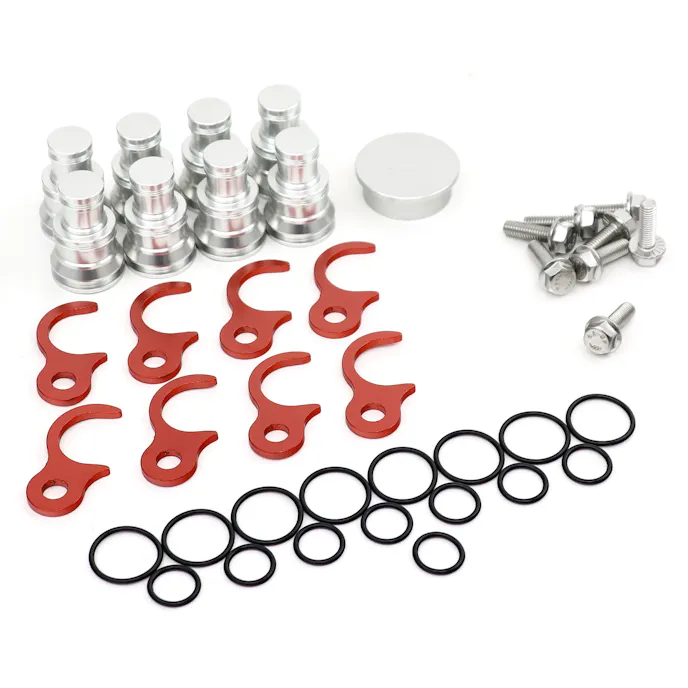
Michigan Motorsports: On many Gen IV LS engines, either method can be correct. The factory DOD/VLOM valley cover can be retained with the proper oil-blocking plugs, or it can be replaced by a non-DOD valley cover that’s designed to seal the deactivation oil passages. The decision usually comes down to the engine, the specific kit, cost, and whether appearance matters in the finished engine bay. What should not be done is stacking parts without understanding how they seal. Plugs that protrude above the lifter-valley surface can prevent a non-DOD cover from sitting flat.
Gen V AFM and DFM engines also use different oil-control arrangements, so the plug design and installation method must match the application. Michigan Motorsports carries both engine-specific oil-blocking plugs and valley-cover-based solutions, which means we are also a great technical resource for confirming which strategy is appropriate for a particular engine and which components should never be combined. As always, the instructions supplied with the selected kit should take priority over a universal internet recipe.
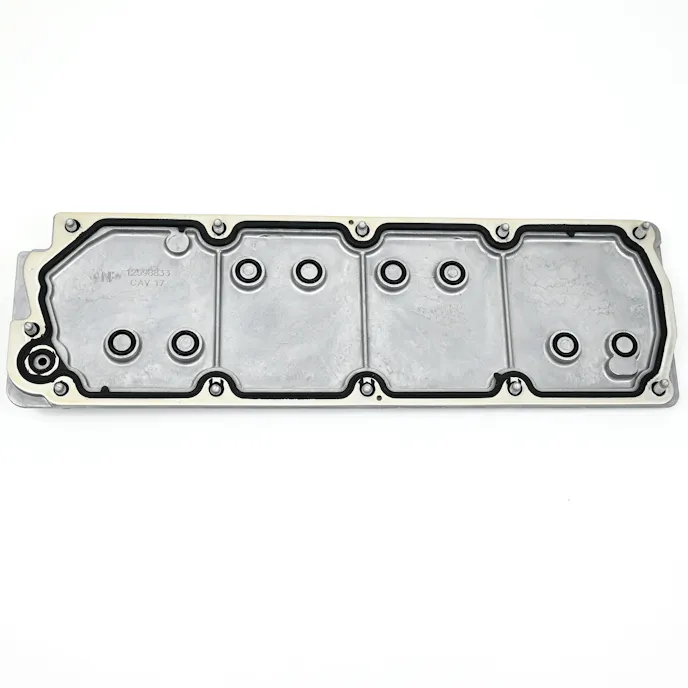
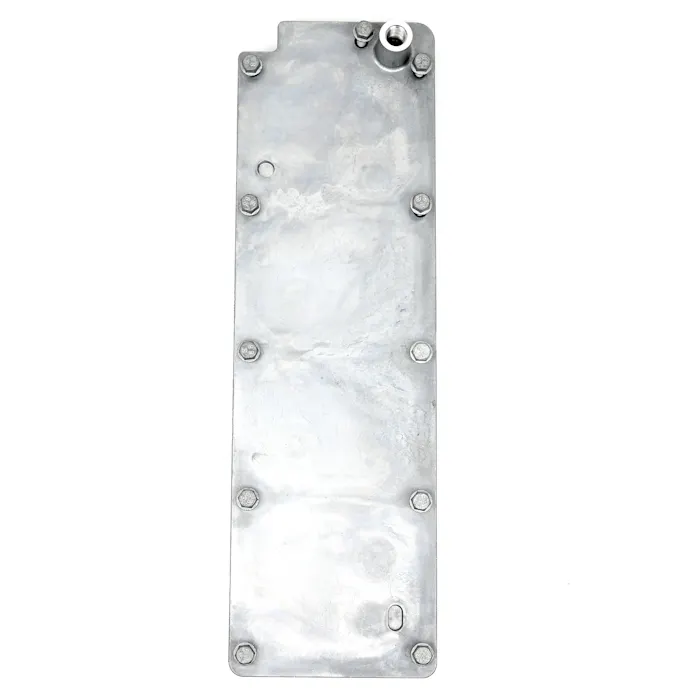
LSX Mag: Why can’t the builder just plug the oil passages and keep the original DOD/AFM/DFM lifters?
Michigan Motorsports: Because blocking the oil passages does not turn a deactivation lifter into a conventional lifter. The internal mechanism that allows the lifter to collapse is still present, so the original weak point remains in the engine.
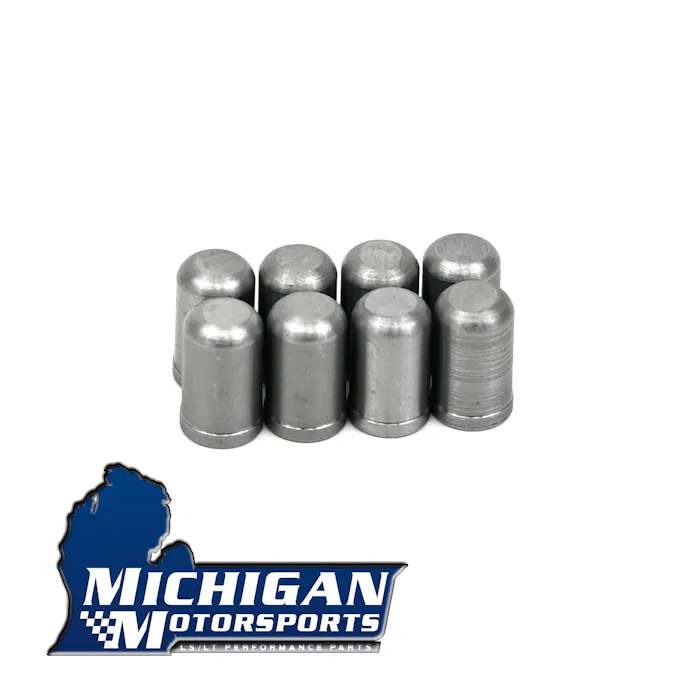
Leaving the DOD/AFM lifters also creates a hydraulic issue. Oil pressure around the outside of the lifter can back-feed into the DOD channels and eventually build enough pressure to activate or collapse the original lifters even after the main passages have been plugged. Michigan Motorsports has encountered this failure pattern in customer combinations, which is why its delete kits are built around a complete conversion: conventional lifters, the correct non-DOD camshaft, matched guide trays, and the proper oil-control solution. That complete-system approach is also why consulting our staff before mixing individual parts can prevent an expensive repeat teardown.
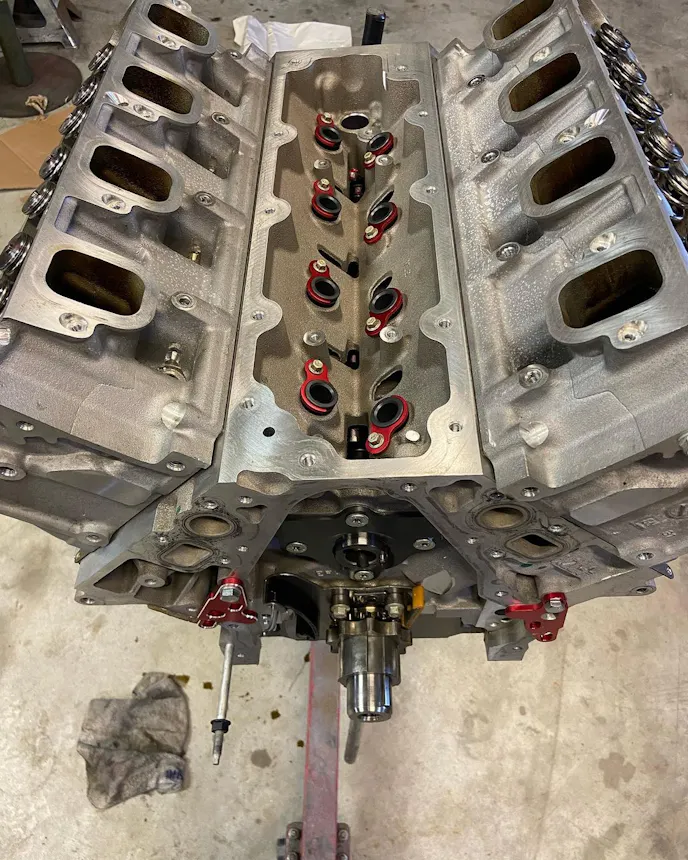
LSX Mag: What should a builder do with the harness that originally plugged into the DOD valley cover or VLOM?
Michigan Motorsports: Once the PCM is programmed for the delete, the VLOM control circuit is no longer being used to command cylinder deactivation. If the original DOD/VLOM valley cover is retained, the connector can remain plugged in. If the engine is converted to a non-DOD valley cover, the connector can be left unplugged and secured away from heat and moving components. There is normally no reason to cut or permanently modify the factory harness. When the cover, harness, and calibration combination is unclear, our staff can confirm the correct approach for the specific delete kit being used.
LSX Mag: Should a builder change pushrod length when switching to non-DOD lifters?
Michigan Motorsports: There is generally no need to change pushrod length when the engine is being converted with conventional Delphi/GM-style lifters, an OEM-replacement non-DOD camshaft, and otherwise stock valvetrain geometry. Michigan Motorsports’ stock-spec delete combinations are selected to preserve original operating geometry where applicable. The factory pushrod length can generally be retained when the heads, rockers, gasket thickness, and cam base circle remain unchanged.
Pushrod length should be measured whenever the build includes racing lifters, milled or aftermarket cylinder heads, a different head-gasket thickness, aftermarket rocker arms, an aftermarket camshaft with a different base circle, or any other change that affects lifter preload. Our staff can help distinguish a straightforward OEM-replacement delete – where the original pushrod length is normally appropriate – from a modified valvetrain that should be measured before final assembly.
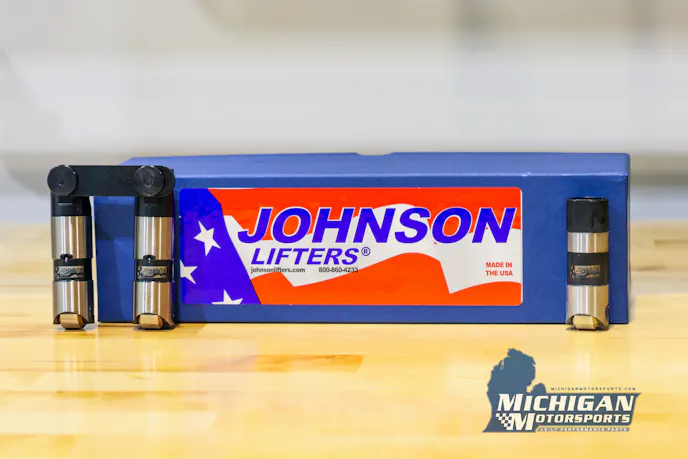
LSX Mag: Why do DOD/AFM/DFM Delete Kits vary so much in price?
Michigan Motorsports: The difference is usually found in component quality, application accuracy, and how well the parts have been matched. A DOD/AFM/DFM delete is a labor-intensive repair, and an inferior lifter, a mismatched camshaft, a weak guide tray, an incorrect gasket, or a wrong oil-control part can turn a bargain kit into a second teardown.
Michigan Motorsports builds separate DOD, AFM, and DFM packages tailored to each engine family and offers OEM-replacement camshaft options for stock-driving conversions. Our AFM DOD catalog also includes the supporting lifters, guide trays, valley covers, oil-blocking plugs, gaskets, and all the hardware needed to address the conversion as a system. Just as important, customers can consult with people who work with these combinations every day to verify the engine, choose the right camshaft path, select the proper valley-cover or plug strategy, and understand the tuning and valvetrain requirements before the job begins. That combination of matched parts, broad application coverage, and accessible technical support is often worth far more than a lower price on an unproven kit.
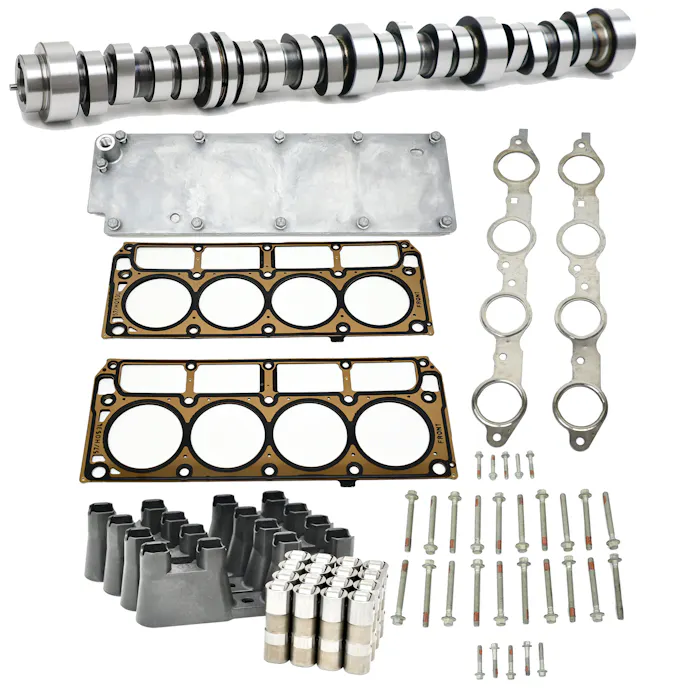
According to the pros at Michigan Motorsports, the idea is to build the combination, not just the parts list. A successful delete starts with identifying exactly which LS or LT you’re working with, then matching the proper camshaft, conventional lifters, oil-control hardware, gaskets, valvetrain components, and calibration strategy to that particular engine. After all, the whole point of deleting DOD, AFM, or DFM is to remove complexity and create a combination you can depend on. The last thing you want to do is replace one potential headache with another because you saved a few bucks on mismatched parts or followed some questionable internet advice.
Whether you’re repairing a failed lifter, preserving an otherwise stock daily driver, or using the opportunity to throw in a rowdy cam and make more power, Michigan Motorsports’ application-specific approach helps ensure you only have to pull those valve covers once.
You might also like
ProCharger Revamps Its GM Truck And SUV Supercharger Systems
ProCharger revamps its GM truck and SUV supercharger systems with Stage 1 and Stage 2 kits offering up to 50% more power.