

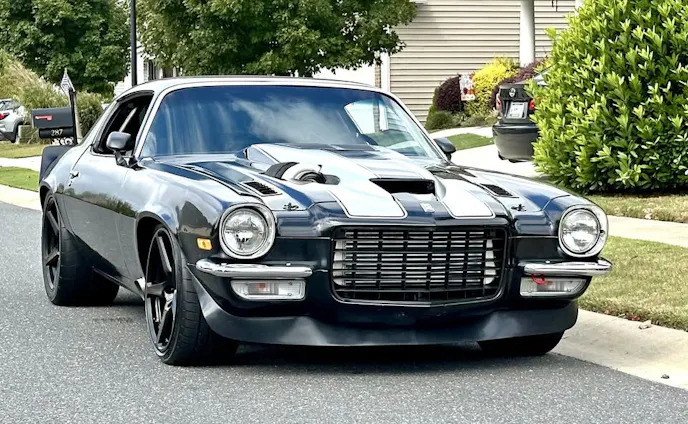
In the age of big tech and big horsepower, there’s still something to be said about a car that’s comfortable doing it all. A classic that can cruise with the best and race with the rest – the proverbial jack of all trades, if you will. Built for Drag and Drive events, roll racing, and even a little autocross competition, this 1973 Camaro is a restomodder’s dream. And now, thanks to the pyrrhic technology we call Facebook Marketplace, it can be yours for way less than the cost of a ground-up build!
We’ve all seen high-horsepower builds that are really good at one thing. Some cars are happiest blasting down the dragstrip, others are built to carve corners, and these days, plenty of four-digit street bruisers roll around as high-maintenance dyno queens. But this 1973 Chevrolet Camaro split-bumper appears to take a different approach.
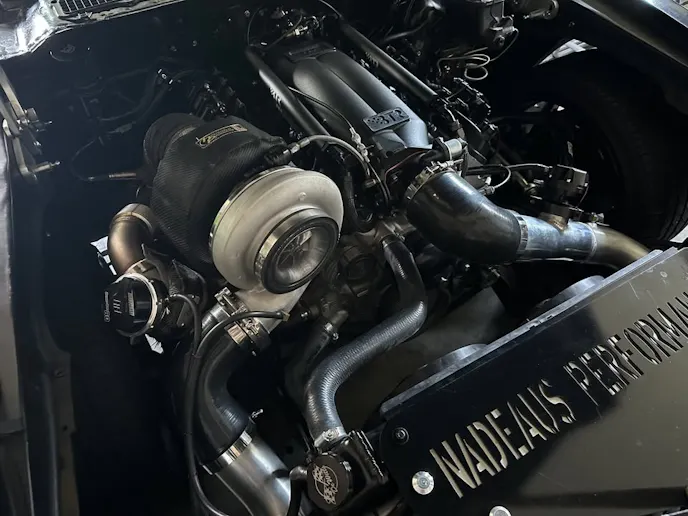
The centerpiece of the car’s versatility is a professionally tuned and gloriously turbocharged 5.3-liter LS V8 that currently sends a conservative 840 horsepower to the rear wheels. I say conservative since, when the drives start to feel slow, added methanol injection provides the capability of well beyond 1,100 horsepower. The aluminum mill is built with a K1 crank, K1 rods, a custom COMP cam, Wiseco pistons, and ARP hardware. Everything eats through a Huron Speed turbo system, which aligns a Pulsar T6 turbo with a Turbosmart wastegate, a Shearer Fabrications 2,000-horsepower intercooler, and a BTR Trinity intake. Ported and polished 243 heads work well with LS9 lifters, PAC dual springs, and chromoly pushrods. Temps are kept in check by a quality DeWitts radiator and two electric fans.
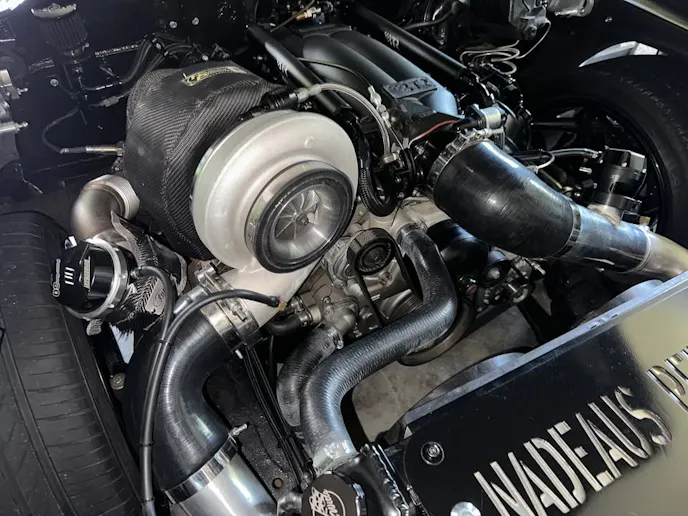
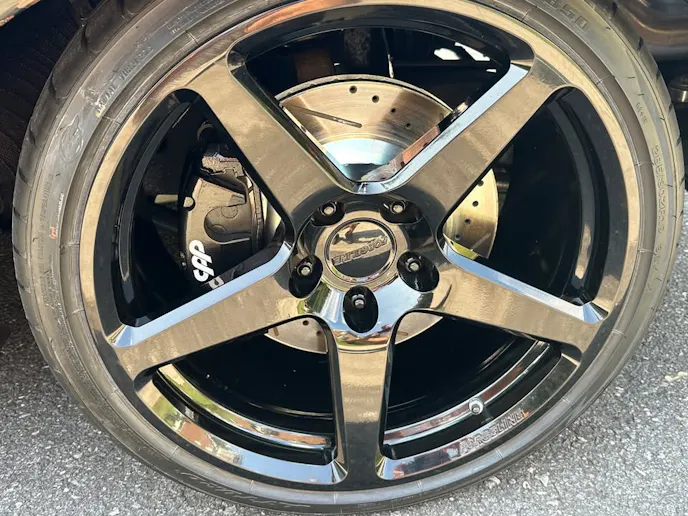
All that boosted LS goodness is backed by a Hughes Performance 4L80E, which is rated for approximately 1,500 horsepower. That gearbox uses a PTC turbo converter and a four-inch driveshaft to spin a fortified GM 10-bolt that carries 4.10 gears behind a Moser girdle. A UMI Performance Corner Max front-clip, complete with C7 hubs, leads a Speedtech Performance GM F-Body Extreme Torque Arm rear-clip. Speaking of the back half, an S&W Race Cars subframe works well with Detroit Speed mini tubs. Turns are provided by electric power steering that was cribbed from a Volvo. Stops come courtesy of 13-inch Classic Performance Products discs, and everything rolls on Forgeline monoblock wheels that are stretched to 275 up front and 355 out back.
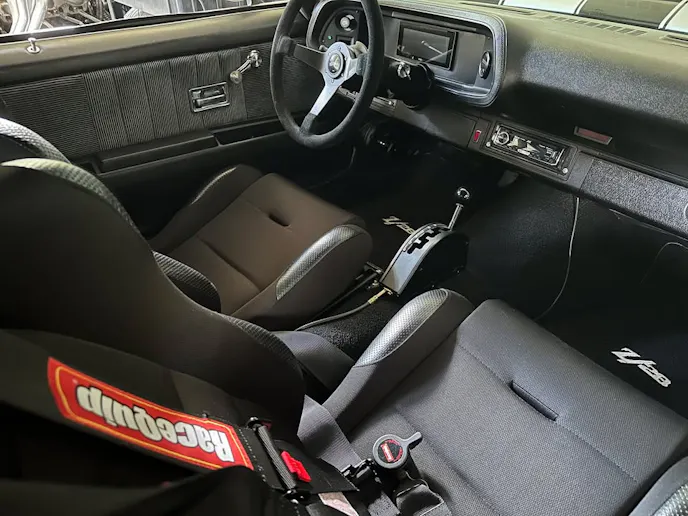
According to the seller, this Chevy isn’t simply a high-horsepower track toy. It’s a professionally sorted street car that was built to be driven and enjoyed in a variety of scenarios. Perhaps that’s most evident in the Camaro’s fully restored and nicely finished cockpit. The first thing you’ll notice is a Chris Alston’s Chassisworks roll cage, which protects SCAT Procar seats that are finished with 5-point RaceQuip harnesses. The driver scorches the pavement through an Alcantara Sparco wheel and a gated B&M shifter. The engine’s vitals are monitored through a Holley digital dash, and there’s even a USB-capable, Wi-Fi-enabled radio that’s wired to crisp Kicker speakers.
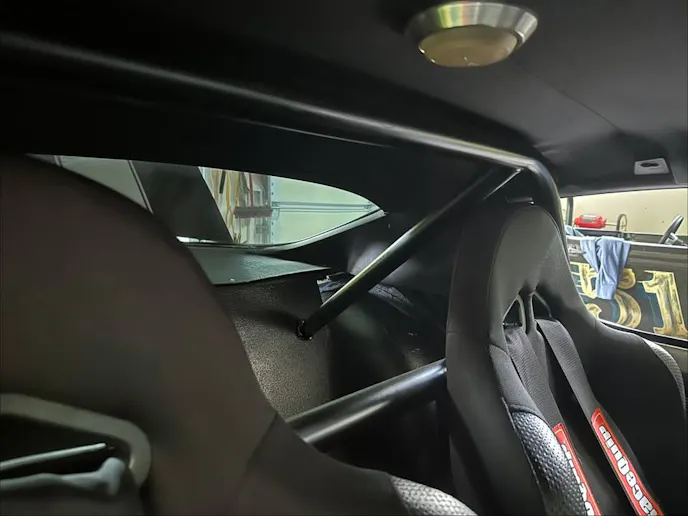
Perhaps that’s what makes this Camaro most interesting. It isn’t pretending to be some flawless showpiece. Instead, it’s an honest, old-school classic that’s stuffed with modern LS power and the kind of tech and supporting hardware that allows an owner to actually use that power. The seller even openly describes the car’s finish as “driver’s paint.”
There’s also the economics of the whole thing. Building a second-gen Camaro to this level from scratch isn’t cheap. Buying someone else’s completed project has always been one of hot rodding’s greatest financial loopholes, and Facebook Marketplace occasionally proves there’s still some good hiding between the questionable listings and “I know what I got” specials.
You might also like
Flowmaster American Thunder Exhaust Wakes Up Our 5.3L Silverado
We install a Flowmaster American Thunder cat-back on our 5.3L Silverado for classic V8 sound without annoying highway drone.