
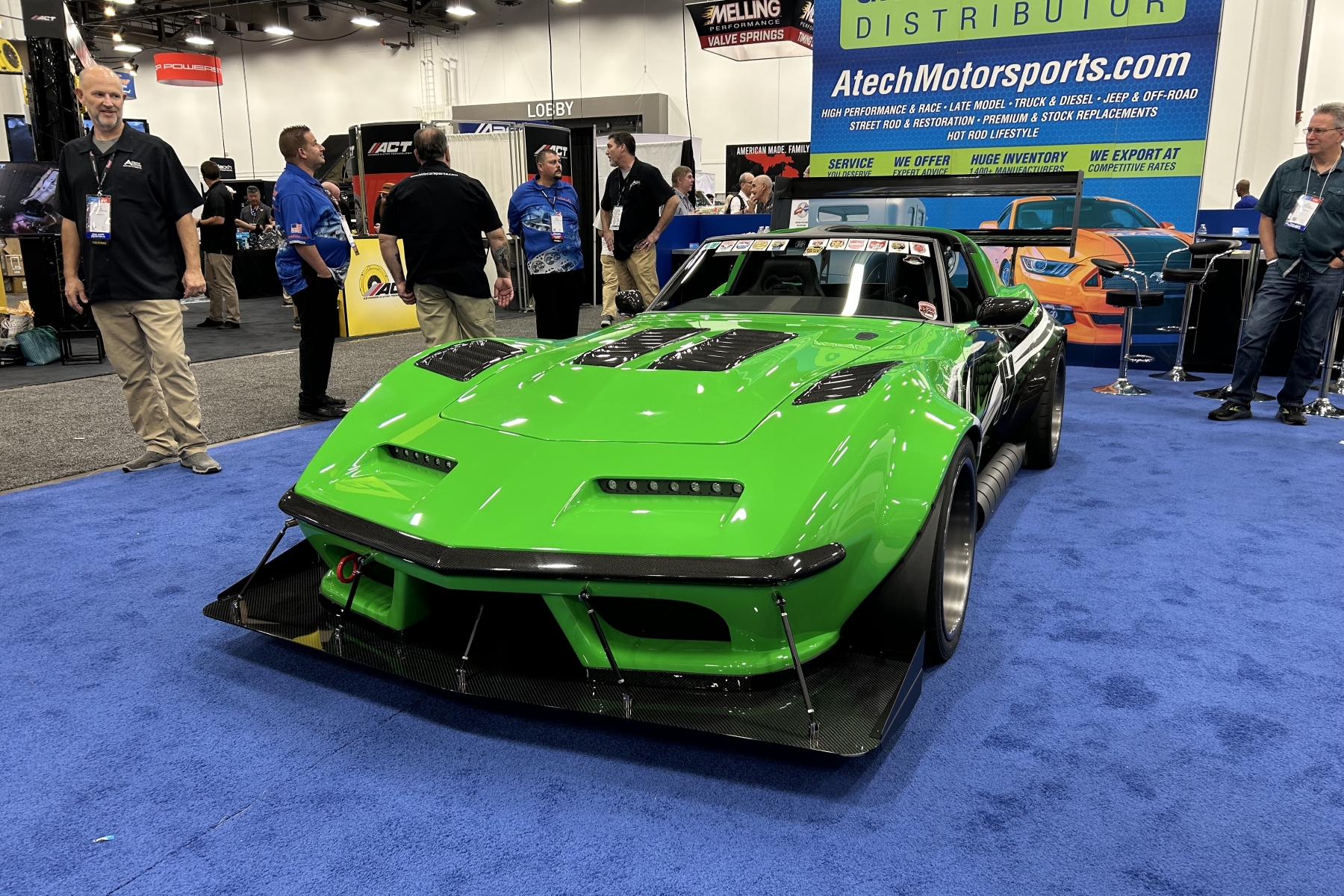
Some car builds start with a budget, a blueprint, or a dream. But in the case of Bob Bertelsen’s custom 1968 Corvette called the “Green Mamba”, the project began with something simpler: the need for a corner-carving chassis he could turn into an autocross weapon on the track. Despite having built, raced, and owned an impressive stable of brightly-painted performance machines over the years, he had never tackled a C3 Corvette until this one popped up for sale near his home. The car wasn’t pretty, but it was exactly what he needed.
Hand-Fabricated Engineering For Autocross Dominance
Despite some nasty paint, the car was, overall, a solid Corvette. Bertelsen didn’t even drive it before he bought it, essentially rolling the Vette off the trailer and straight into the garage, where he immediately pulled the motor, transmission, and the rest of Green Mamba’s guts. The build that emerged years later from that same two-car garage is nothing short of a hand-crafted monster.
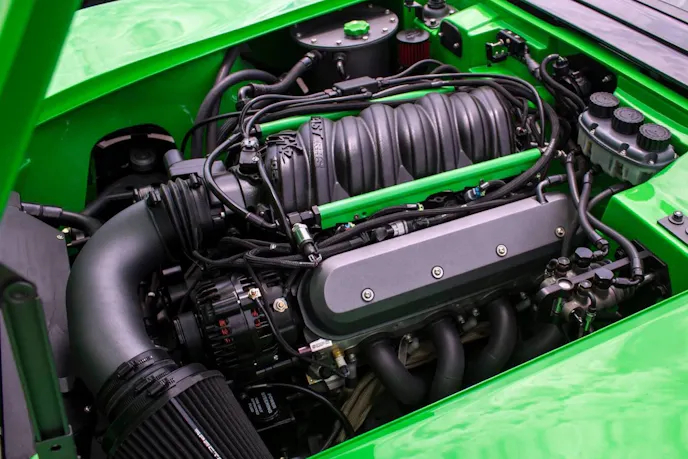
Bob wanted a shorter wheelbase chassis that could turn tight and rotate quickly, something purpose-built for autocross. That philosophy guided every modification hand-fabricated for the car, from the headlights to the rear suspension, as he built the Corvette into a competitive, high-downforce track machine.
A Race-Bred LS7 Heart With Serious Bite
The heart of the Green Mamba is a race-prepped 427 cubic-inch LS7 with an upgraded rotating assembly, 11:1 compression, FAST LSXR intake, a dry sump system, Holley ECU, Hooker headers, and side pipes that broadcast its intentions loudly and proudly. That roster of choice equipment produces well over 600 horsepower. Backing the LS7 is a Tremec Magnum six-speed manual prepped by Bowler Performance Transmissions and paired with a Centerforce Triad clutch. But Bob admits that may change in favor of 8HP or BMW DCT conversion, all for the sake of shaving fractions of a second off his lap times.
Aero, Suspension, And Chassis Development With Purpose
Chassis development on the Green Mamba runs deep. Bob worked directly with Detroit Speed as they were developing their C3 Corvette suspension line, and his car became one of their first test-fit vehicles. “They developed it on their car, but they were looking for another car to test fit and see if it still would work, and this car actually went to Detroit Speed,” explains Bob. A Detroit Speed coilover conversion replaces the factory transverse leaf spring, dramatically improving performance.
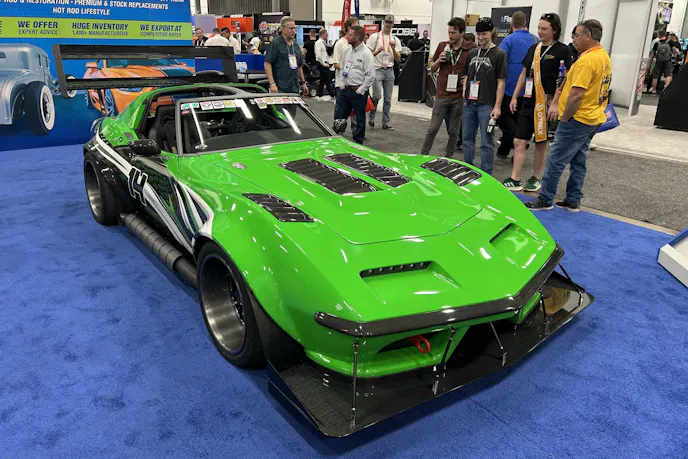
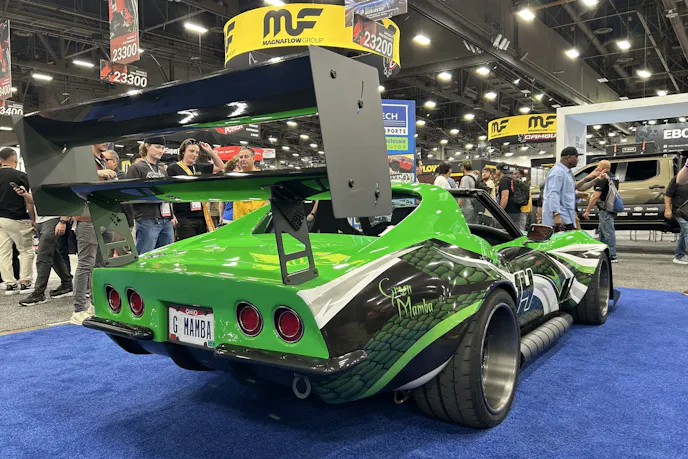
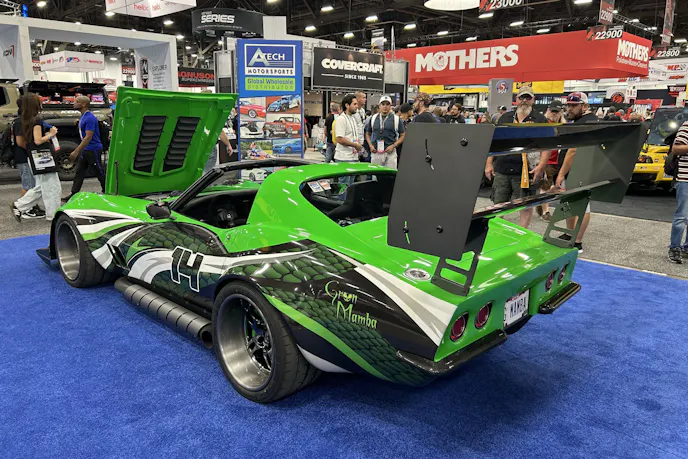
The bodywork is just as extreme as it is functional. Bob collaborated with Robby Unser to develop purposeful aero throughout the car. The front splitter, louvers, venting, and the massive rear wing were all designed to control airflow. The team added venting to the wheel wells, the hood, and the sides, ensuring unwanted air exited where it should.
The Green Mamba’s Identity And Legacy
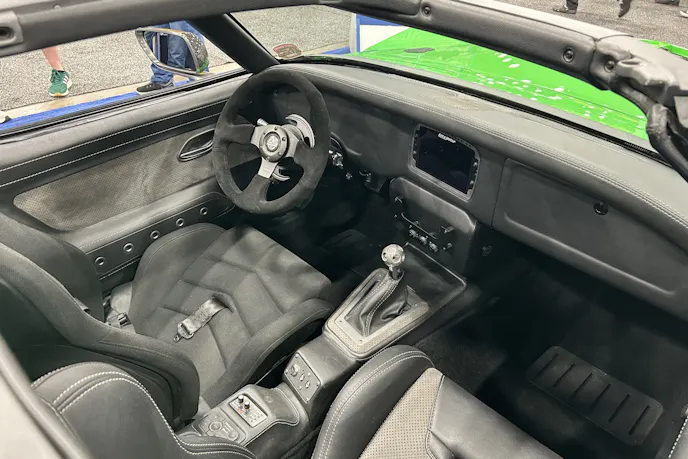
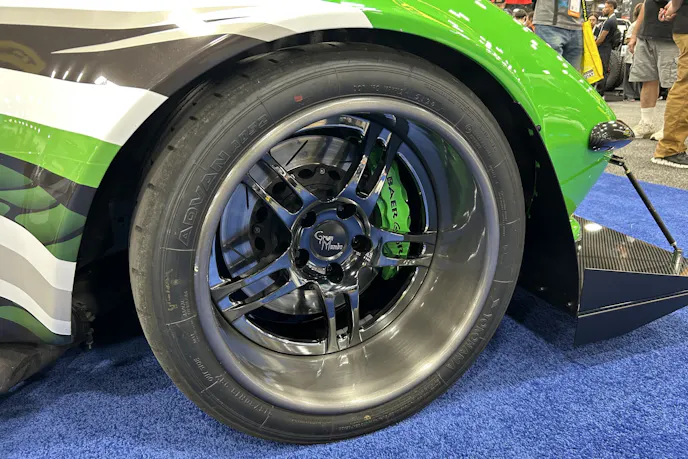
Inside, every square inch serves the mission. With the roll cage consuming rear space, Bob relocated the fuel cell and even built a trunk into the recess under the rear deck. Baer brakes, Forgeline wheels, and race-ready hardware complete the package. Painted originally in a bright green in 2017, the snake-themed “Green Mamba” wrap came later, cementing the car’s identity.
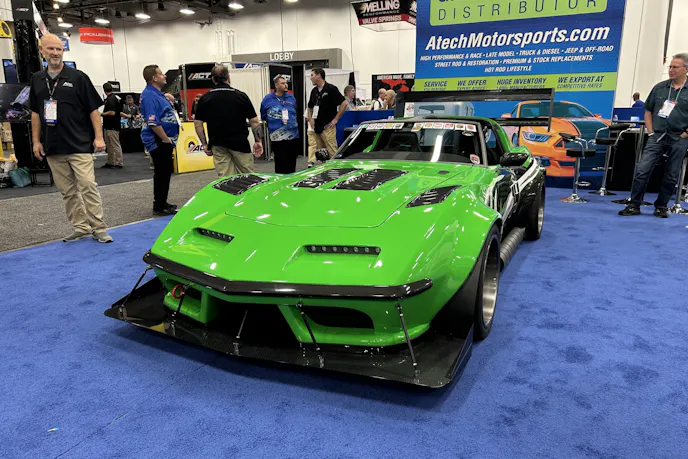
Today, the Green Mamba remains Bob’s go-to competition machine, a testament to creativity, engineering, and relentless testing. Built in a modest garage but developed with race-proven intention, the car rolls as one of today’s most unique and purpose-built C3 Corvette race cars.
You might also like
Peitz Performance Tunes Builds The World's Most Powerful C8 Z06
Peitz Performance has officially built the world's most powerful C8 Z06 with its Bravo Plus Twin Turbo system.