

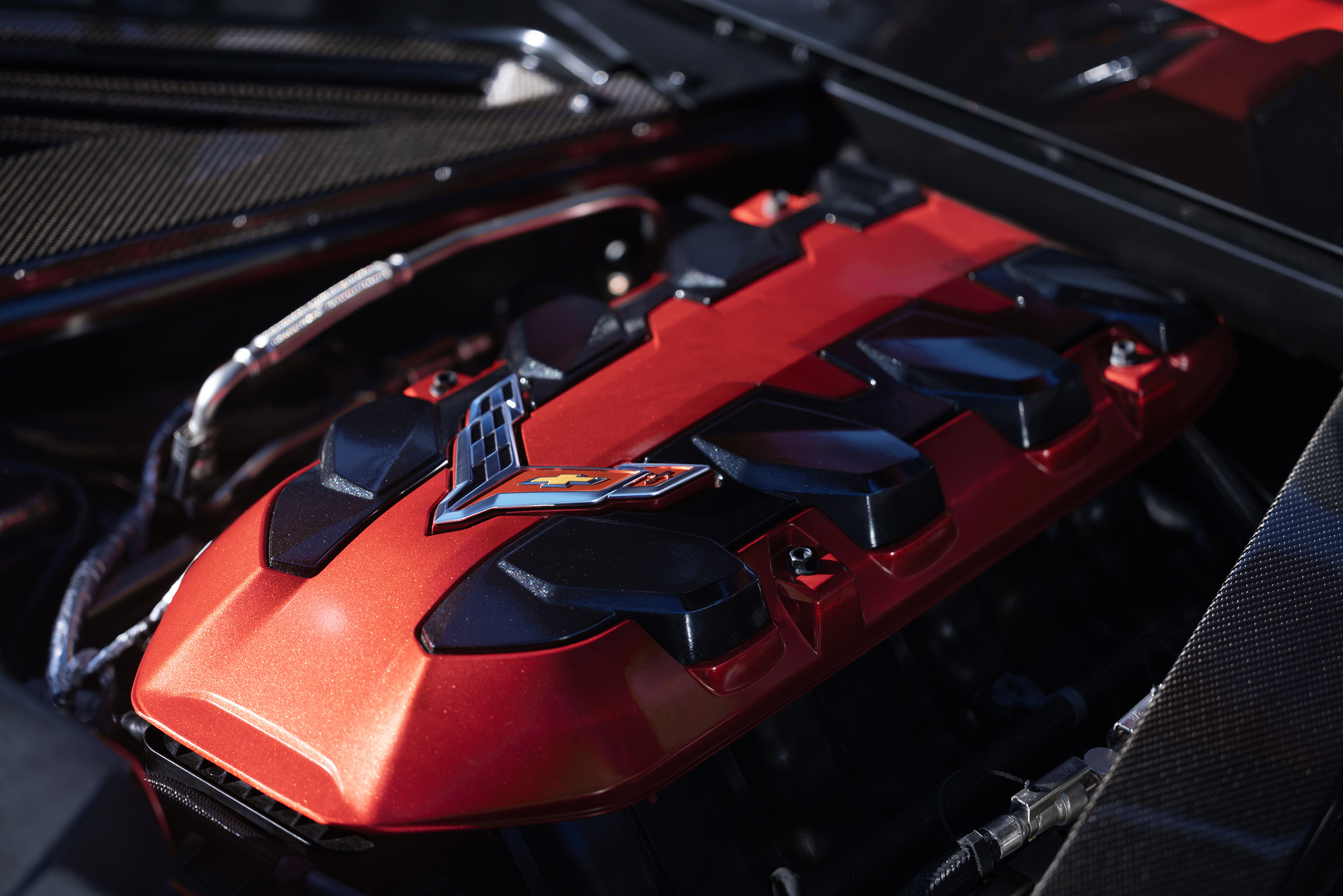
Unless you’ve been living under a Ford for the past three months, you’ve likely heard that the GM’s latest and greatest Gen 6 small-block is officially named the LS6. While some might lament the fact that the General continues to double down on its LS and LT naming convention, we think the renewed moniker is an awesome way to highlight the present while honoring the past. Whether LS6 was just the next RPO in a line of seemingly endless Ls and Zs at Chevrolet, or because each version of the LS6 has emphasized something very special in the Chevrolet lineup, the Gen 6 LS6 is special in its own right.

The 409 Cubic Inch LS6
Fittingly debuted in the new C8 Grand Sport and Grand Sport X, the latest LS6’s big features include 13.0:1 compression, a 90 mm throttlebody, a tunnel ram intake, a new oiling system, and forged rods and pistons. While horsepower numbers haven’t been released for LS6-equipped C8 Stingrays, LS6-equipped Grand Sports get an easy 535 horsepower. When combined with the electric front axle in the Grand Sport X, the total number jumps to an impressive 721 horsepower. Much to this author’s delight, Chevrolet played up the engine’s magical displacement of 409 cubic inches. 6.7 liters, you say? Nah, I’ll stick with 4-0-9, baby!
There is no replacement for displacement! Our next-generation LS6 engine pushes 409 cubic inches of jackhammer fury through the tailpipes. — Mike Kociba, Assistant Chief Engineer, Next Generation V8.
The new 6.7-liter LS6 will be manufactured in Flint, Michigan, which is also significant to those of us who know Chevrolet history. Flint built the very first Corvette V8 way back in 1955, and, as Chevy notes, this new Gen 6 small-block will mark more than 70 years of Chevrolet V8 technology. Expect to see the engine family make its high-volume debut in the brand’s redesigned light-duty pickups sometime later in 2026.
The 400 Horsepower LS6
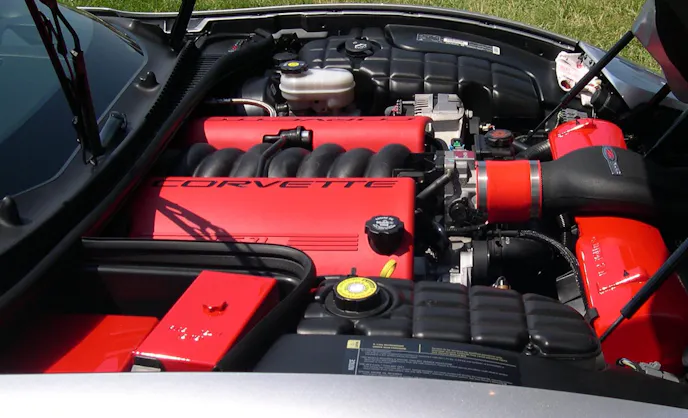
The original small-block LS6 is one of those engines that doesn’t get talked about as much as it should. I know, I know… Many of you don’t like referring to LS engines as small-blocks, but it’s sort of essential for this article. Everybody knows the LS1 started it all, and the LS7 gets all the glory, but the LS6? That’s the engine that proved GM was serious about making real performance with the LS platform.
Debuting in the 2001 Corvette Z06, the Gen III LS6 launched with 385 horsepower and 385 lb./ft. of torque. But that all changed a year later when the motor peaked at 405 horsepower and 400 lb./ft. of torque. The small-block LS6 featured numerous revisions from the LS1 it was based on, including revised block casting, an upgraded intake, an upgraded cam profile, revised oiling, and new 243 cylinder heads. What really made the LS6 special was how it delivered that power. The engine loved to rev and felt sharper than anything else in the LS lineup at the time.
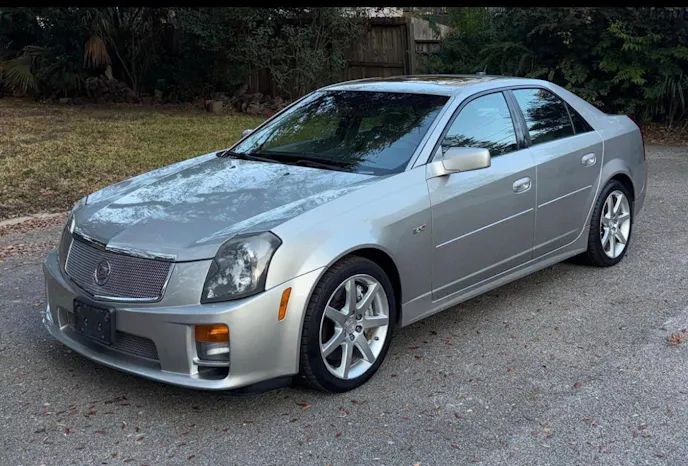
Those characteristics were essential in cementing the newly reintroduced Corvette Z06 as a legitimate track car. The engine gained even more credibility when it kicked off Cadillac’s V-series legacy in the very first CTS-V. Overall, from a technical standpoint, the LS6 helped push the entire LS architecture forward.
The engine’s direct influence could be felt in the Gen IV LS2 small-block that debuted as standard fare in the sixth-generation Corvette. The LS2 paired increased breathing and durability with 243 cylinder heads and more displacement. The engine was stronger and less edgy than the LS6 while maintaining the same power, which allowed broader adoption across GM’s portfolio. Within a few years, the engine had been introduced in the GTO, the SSR, the Trailblazer SS, and a slew of Holdens.
The 454 Cubic Inch LS6
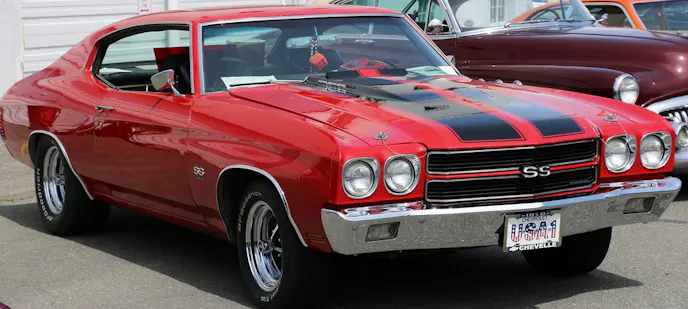
Everyone knows about the legendary LS6 big-block, right? Displacing a massive 454 cubic inches, the engine created 450 horsepower thanks to 11.25:1 compression–and those were underrated numbers. Compared to its more civilized LS5 brethren, the LS6 received high-performance rectangular port heads, a more aggressive solid lifter cam, a high-rise aluminum intake, beefier internals, and a Holley carburetor. Made most famous by the 1970 Chevelle Super Sport, the engine was also available in the 1970 El Camino Super Sport, and, with the addition of aluminum heads, a handful of 1971 Corvettes. Many enthusiasts consider the LS6 Chevelle to be the peak of the original muscle car era.
At the end of the day, that’s really what makes the LS6 name matter. It’s never really been just another RPO code buried in a spec sheet. Every time Chevrolet has rolled out an LS6, it’s meant something.
In 1970, it meant all-out big-block dominance at the peak of the muscle car era. In 2001, it meant the LS platform was no longer just promising; it was proven, refined, and ready to take on the track. And now, with the Gen 6 LS6, it means we’re stepping into a new era where heritage and modern performance collide in a way only GM knows how to do. This is Chevrolet reminding everyone that some names are earned, and the LS6 has earned its place every single time it’s come back around.
You might also like
Chevy Unleashes 2027 Corvette Grand Sport And Hybrid Grand Sport X
Featuring GM's new LS6 V8, the C8 Grand Sports are a continuation of the Corvette legacy of heritage, style, and performance.