

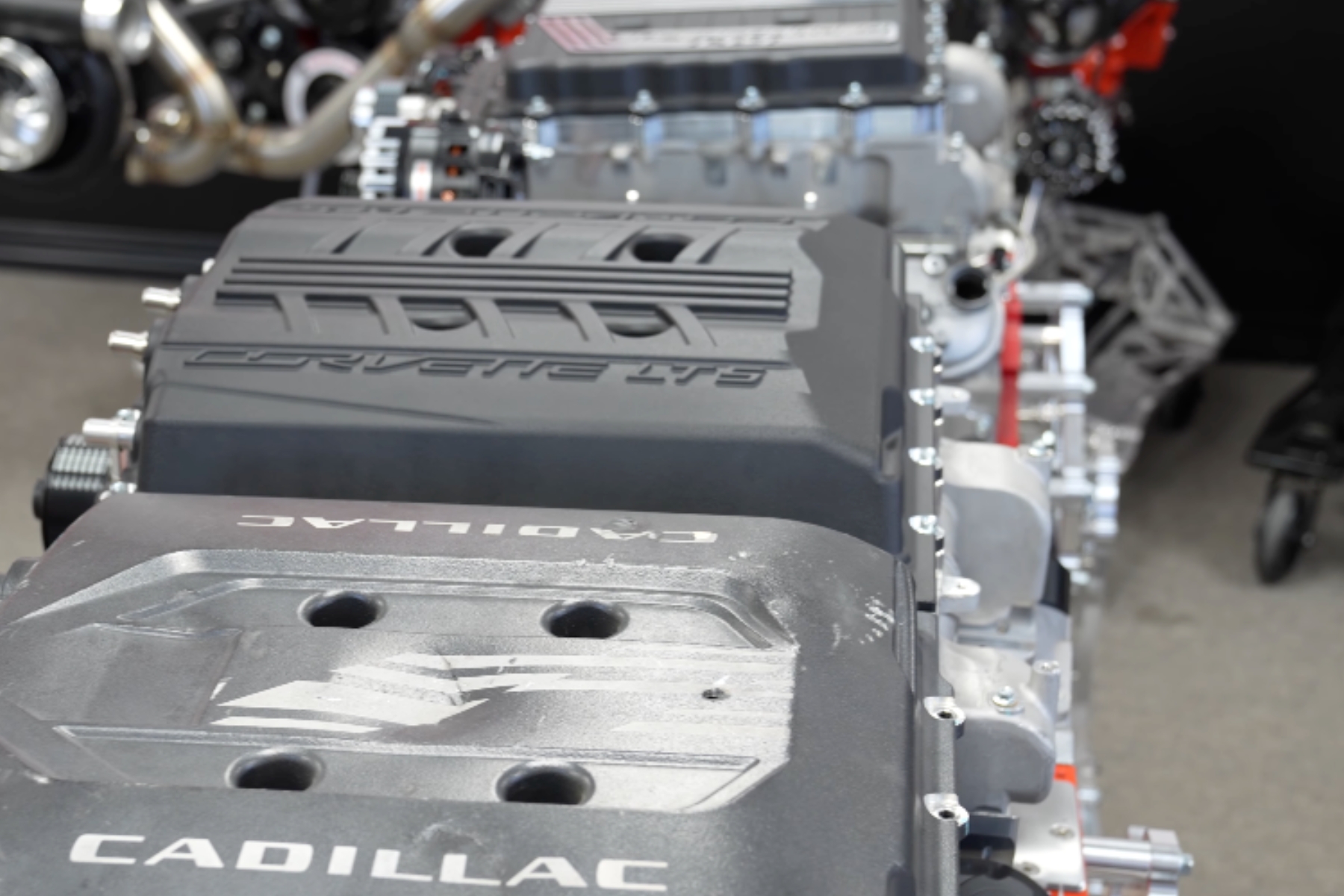
At a glance, it is easy to assume that all LT4 superchargers are interchangeable. They share the same engine designation, they come from GM performance platforms, and they all wear familiar Eaton hardware. According to a deep dive from ICT Billet, that assumption can cause serious problems when parts start getting mixed between cars, trucks, and SUVs. The reality is that LT4 superchargers vary dramatically in size, layout, and accessory drive alignment depending on the application.
Car-Based LT4 Superchargers
The LT4 superchargers found on the Camaro ZL1, Corvette Z06, and CTS-V all share the same basic supercharger case and rotor size. These are the smaller 1.7-liter units commonly associated with LT4 performance cars. While the core case remains the same, the differences show up in the details that matter during swaps.
One of the biggest differences is the snout and pulley location. Corvette LT4 superchargers use a shorter snout, which moves the eight-rib pulley closer to the engine. Camaro and CTS-V units place that pulley farther forward. That small change means belt alignment is different, even though the supercharger housing itself looks identical.
Lid design is another point of variation. The Corvette lid is slim across the front and steps up at the rear. The CTS-V lid follows a similar profile. The Camaro lid, however, maintains a taller, more uniform height across the top. All of these lids can physically interchange, but the Camaro lid offers slightly better airflow and more room for spacers, making it a popular choice for builders.
The Escalade V LT4
Things get far more complicated when stepping into the Escalade V. Although it is still labeled an LT4, the supercharger itself is completely different. Instead of the 1.7-liter rotor pack, the Escalade V uses a massive 2.65-liter supercharger housed in an LT5-style case.
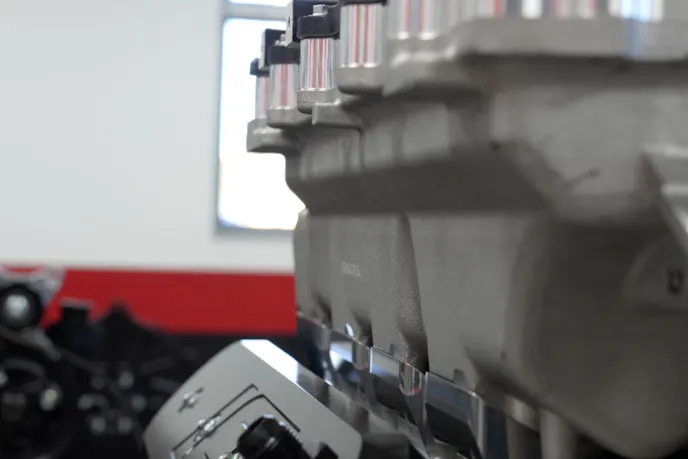
The similarities to the Corvette ZR1 LT5 supercharger stop at first glance. While the bolt pattern and intercooler layout resemble the LT5, the Escalade V unit does not feature port injection. That distinction matters because the LT5 is the only GM supercharged LT engine to combine direct and port injection. Every other LT4 application relies solely on direct injection.
Pulley and belt layout also set the Escalade V apart. The ZR1 LT5 uses an 11-rib pulley, while the Escalade V runs a dedicated 10-rib setup. Even more critical, the Escalade V pulley sits roughly 2.5 inches farther forward than the ZR1 unit, which dramatically changes accessory spacing and bracket requirements.
Accessory Drives: Where Swaps Go Wrong
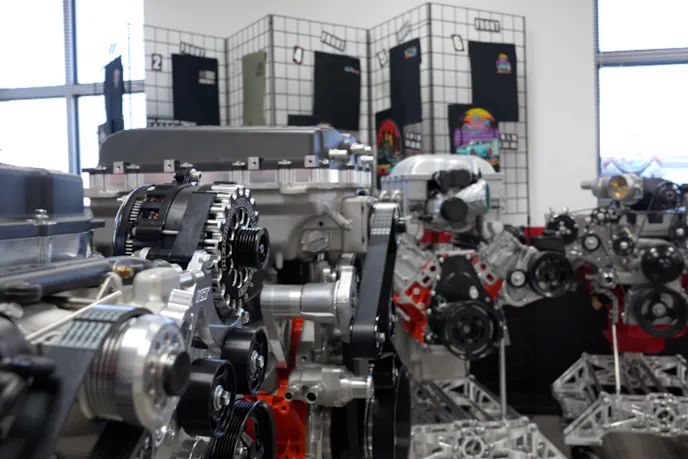
Accessory drives are where most LT4 swaps run into trouble. Each platform uses a unique bracket and belt arrangement. Corvette setups retain a six-rib system for accessories like the alternator and air conditioning, with the supercharger adding an eight-rib drive out front. Camaro and CTS-V layouts follow a similar strategy, but with different alternator locations and idler brackets.
Truck-based layouts introduce another layer of complexity. While some LT4 eight-rib drives appear visually similar to truck six-rib systems, the alignment is off by roughly 0.060 inch. That difference may not immediately throw a belt, but it will cause long-term issues unless the brackets or pulleys are corrected.
The Escalade V stands alone with its own dedicated accessory drive, unique balancer, and relocated components. None of the car-based LT4 or LT5 brackets interchanges, making it the most challenging option for swaps.
Why These Differences Matter
The takeaway from ICT Billet’s breakdown is simple: LT4 does not mean universal. Supercharger size, pulley alignment, lid design, and accessory drives all vary by platform. Understanding those differences before starting a swap saves time, money, and frustration. For builders chasing forced-induction power, knowing exactly which LT4 supercharger you are working with is just as important as the boost it can make.
You might also like
No Outsourcing, No Guesswork: An Inside Look At BP Automotive
BP Automotive recently opened the doors to give customers a full behind-the-scenes look at how their wiring harnesses are built.