



So, you get your build headed in the right direction, and you decide to start dialing in the perfect wheel fitment. Most enthusiasts would immediately start thinking about offset, backspacing, or how much lip they can squeeze under the fender. That’s all well and good, but much of that is already determined by the components present on the vehicle, namely, hub spindle length. The style of hub under your ride plays a massive role in how a wheel ultimately looks and fits, and it’s one of those details that doesn’t get a lot of attention until it starts to limit creativity.
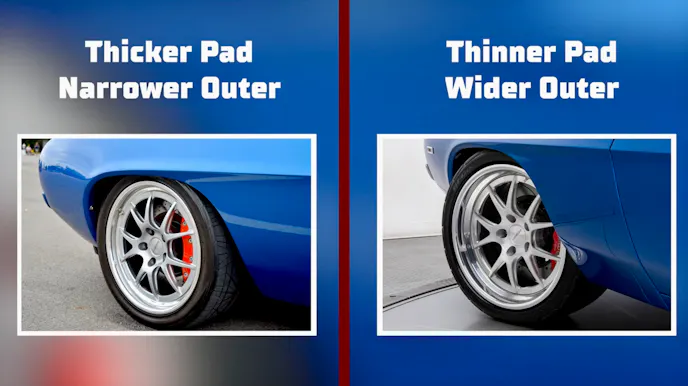
Our friends at Forgeline created a short video explaining how a wheel’s mounting pad, and that pad’s position, determines everything from cap clearance to lip size and overall concavity. As Forgeline President Dave Schardt explains, modern hubs, such as those found on C7 Corvettes, can run a much thinner mounting pad. That opens the door to deeper lips and more aggressive concavity, because you’re not fighting for clearance between the hub and the center cap.
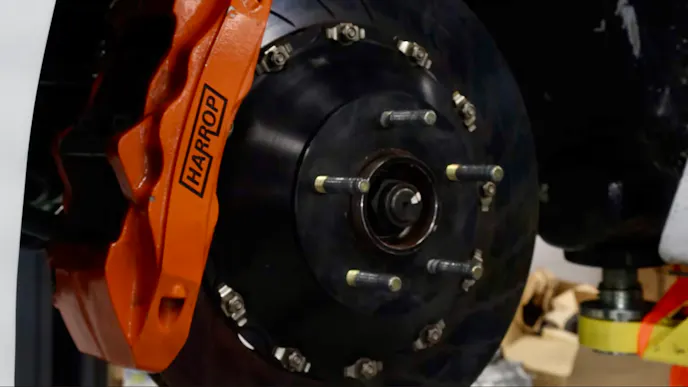
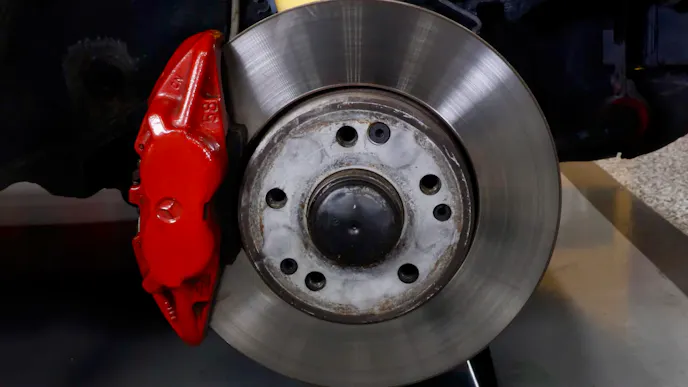
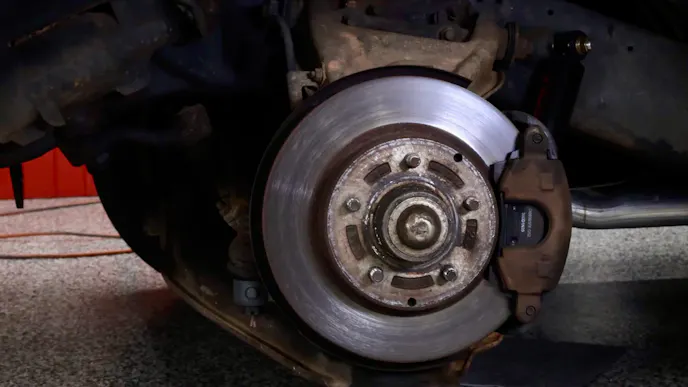
Contrast that with older vehicles, like classic Chevrolet C10s, which are a completely different story. Many vintage hubs feature lengths in the 2.5-inch range, which eats up valuable real estate behind the wheel center. That means you need more cap clearance to simply fit the wheel over the hub. The result is less room for lip, less concavity, and a much tighter packaging challenge overall.
So how do you make a modern-looking wheel work on an older platform? There are a few different approaches. The first is to install a suspension that features some kind of modern hub. But even if you’re lucky enough to have that kind of aftermarket support for your ride, it’s not always a cost-effective solution. The second option is to call up the pros at Forgeline and have them build you a set of wheels with custom-engineered mounting pads. In this case, you’re essentially adding a spacer, but doing it the right way. The third solution is to call up Forgeline and order custom center caps.
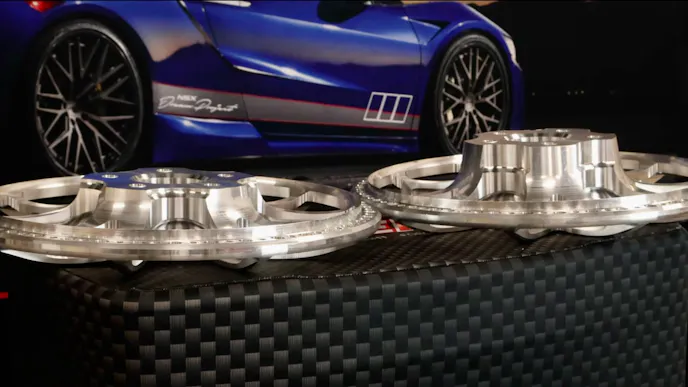
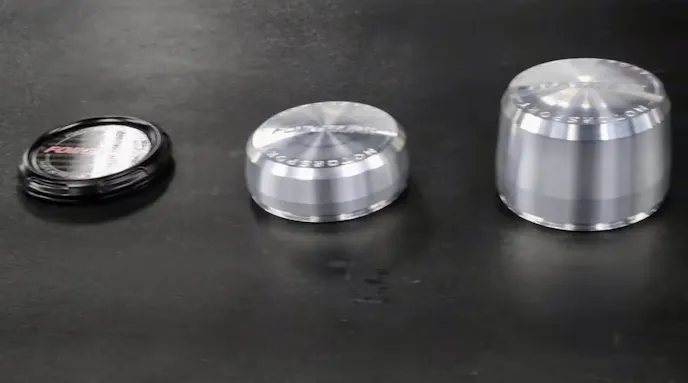
While these solutions create the room needed to clear the hub, moving the wheel outward means you have to compensate elsewhere. That usually means reducing lip depth or dialing back concavity. However, by controlling both pad thickness and cap design, Forgeline can tailor a wheel to fit virtually any hub configuration while still clearing modern brake packages. It’s a balancing act between engineering and aesthetics, and when it’s done right, the result looks effortless.
Anyone can throw a set of wheels on a car and make the numbers work. But getting that perfect combination of lip, concavity, and stance? That takes understanding what’s happening behind the scenes, starting with the hub. Instead of letting the limitations of an older platform dictate the outcome, solutions like custom pad thickness and engineered center caps give you real options, not compromises. That’s where the difference between “it fits” and “it looks right” really shows up.
You might also like
2026 Corvettes At Carlisle Continues The Tradition Of The Corvette American Flag
The 2026 Carlisle event brings back the massive Corvette American Flag. Over 150 dedicated owners unite to build this patriotic tribute.