

Building a boosted engine requires careful planning and a solid understanding of how components work together. For Project Swedish Meatball, the team consulted with Nick Evdos from Brian Tooley Racing to spec out the perfect turbocharged LS valvetrain. Evdos emphasized that you do not need exotic custom parts to make reliable horsepower, but you do need to be honest about your horsepower goals and how the vehicle will actually be driven.
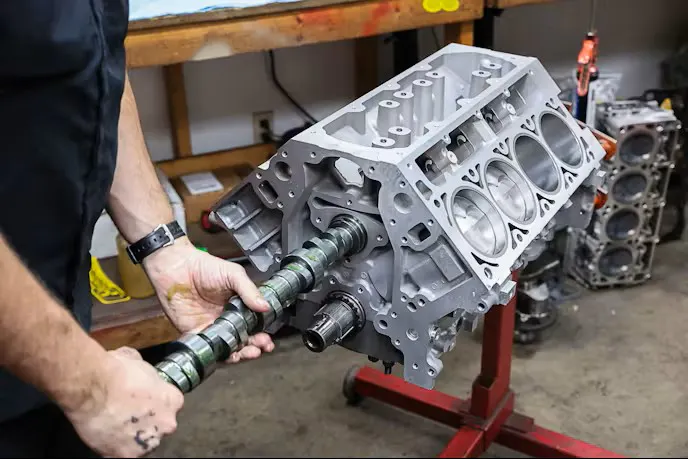
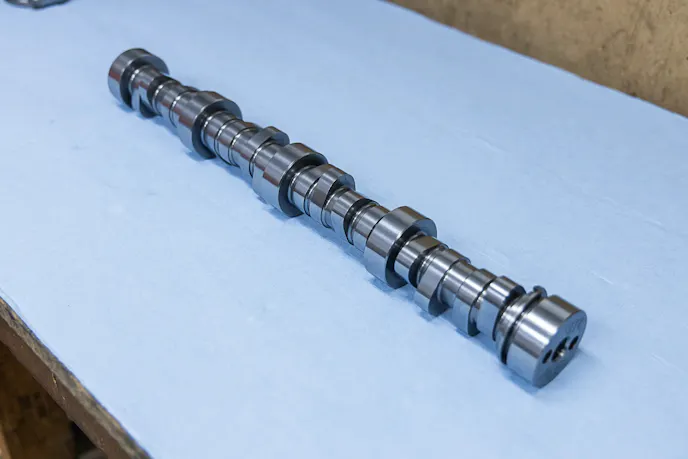
Camshaft Selection Strategies
Choosing the right camshaft is the foundation of the build. Going too big will hurt off-boost drivability and make the engine sluggish on the street. Evdos notes that keeping the profile conservative allows the engine to spool the turbo faster and generate better low-end torque. You can always turn up the boost to hit a power number rather than stressing the system with an overly aggressive cam.
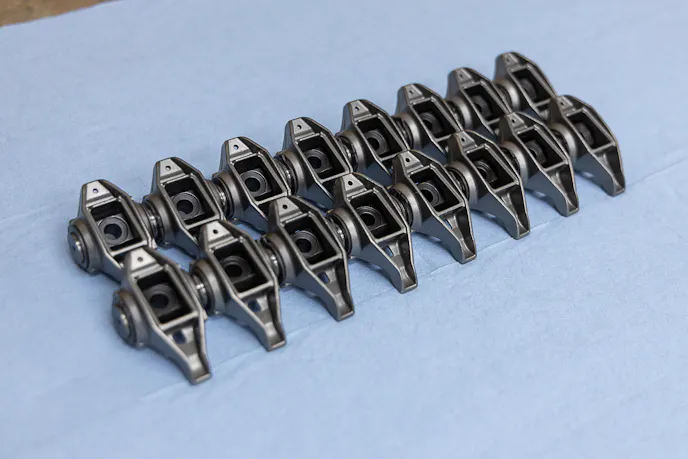
Sticking With Factory Rockers
Many builders assume they need heavy aftermarket rocker arms for a turbo build. Evdos strongly advises against this for most street and strip applications. Upgraded factory rockers equipped with a trunnion kit are incredibly durable and keep the overall weight low. Adding heavy aftermarket rockers forces you to run stiffer valve springs and thicker pushrods, which creates a domino effect of stress on the engine.
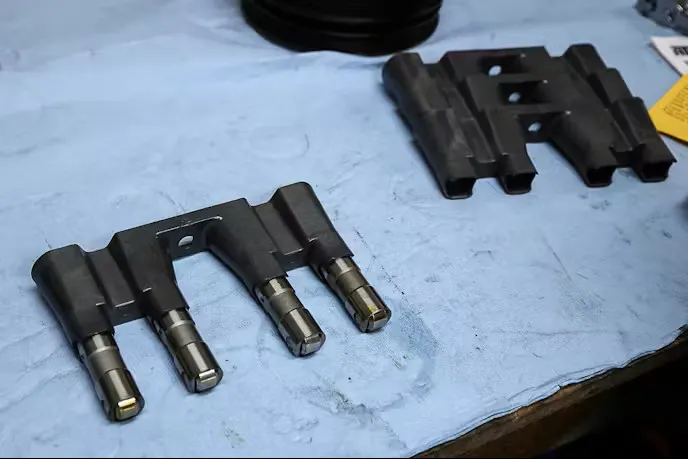
Hydraulic Lifters And Trays
Factory hydraulic lifters are perfectly capable of handling boosted applications spinning up to 7,200 RPM. The real secret to lifter survival is using genuine OEM lifter trays. Aftermarket trays often have loose tolerances that allow the lifter to twist, leading to catastrophic camshaft lobe failure. Setting the correct preload is usually all it takes to keep the factory lifters happy under pressure.
Dual Valve Springs For Safety
The factory valve springs are not designed to handle the pressure of forced induction. Evdos recommends utilizing a dual valve spring setup for any turbocharged LS valvetrain. Beyond handling the increased lift and boost pressure, a dual spring provides a crucial safety net. Should one spring fail under load, the inner spring will keep the valve from dropping into the cylinder and destroying the piston.
At the end of the day, building a turbo LS isn’t about throwing the biggest, baddest parts you can find at the engine and hoping for the best. It’s about balance. It’s about understanding how each component affects the next, and making smart decisions that support the method in which the car is actually going to be used.
Project Swedish Meatball is a perfect example of that mindset. Instead of chasing flashy parts or over-the-top specs, the focus stayed on proven combinations that deliver real-world performance. A sensible camshaft, upgraded factory rockers, OEM lifters with proper trays, and a solid dual spring setup. None of that is exotic, but all of it works. In the end, that’s the key, because the best turbo setup isn’t the one that makes the biggest number, it’s the one that lets you use it.
You might also like
LS6 Legacy Lives: The 2027 Corvette's New V8 Honors A Heavyweight Name
Fittingly debuted in the 2027 Corvette Grand Sport and Grand Sport X, the latest LS6 features 535 horsepower.