

It’s fun to plan, dream about, and implement performance upgrades on an LS engine. Cams. Cylinder heads. Boost. As one of the most versatile performance platforms ever created, ‘waking up’ a modern GM small-block is often easy and relatively cheap. But durability upgrades rarely get the same excitement, and that means some critical components get overlooked. One often overlooked but critically important aspect of upgrading an LS is upgrading the fasteners. Luckily, the folks at ARP have just the components to help out.
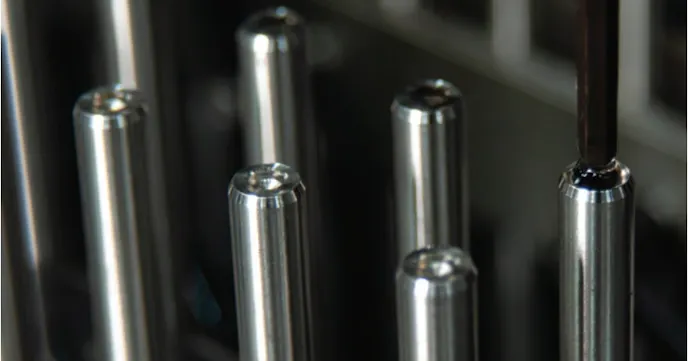
Upgrading fasteners on an LS V8 is one of the smartest reliability moves you can make, but it’s also one of the easiest ways to create expensive problems if you don’t understand what’s changing. Unlike old-school small-blocks, LS engines rely heavily on torque-to-yield (TTY) fasteners from the factory. For those who don’t know, TTY fasteners are one-use bolts that are designed to stretch past the yield point during installation, essentially acting like springs to maintain a consistent clamping force. The main purpose of that is to increase the strength of the entire engine, with the bolts acting as structural components. In a lightweight engine with powdered-metal rods and relatively thin main webbing, that controlled stretch helps manage block flex, thermal expansion, and cap alignment.
The problem is that TTY bolts, typically carbon steel, are designed for stock power levels. Once you start increasing RPM, adding boost, spraying nitrous, or leaning on cylinder pressure, you’re asking more from the fasteners than they were ever meant to handle. That’s where ARP comes in.
ARP offers LS fasteners in a range of materials and strength levels. Their 8740 chromoly bolts carry roughly 190,000 psi tensile strength — already a significant step up from stock components. ARP2000, a proprietary high-strength premium-grade alloy, moves into the 220,000-plus-psi range. L19 fasteners, created from a proprietary premium vacuum-melted alloy, and Custom Age 625+ fasteners, made from ultra high-strength nickel-based alloy, push tensile strength beyond 260,000 psi for extreme race and boost applications. Higher tensile strength means higher clamp load, less bolt stretch at high RPM, better cap stability, and improved head gasket sealing.
Rod Bolts: The Weakest Link
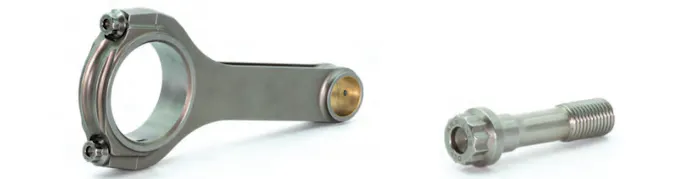
Replacing the rod bolts is the most critical fastener upgrade you can make to any LS engine. Time has proven that factory rod bolts are the weakest link in the LS rotating assembly, as the engine’s powdered rods rely on bolt clamp load for cap alignment. If you start adding serious power to an LS engine without upgrading the rod bolts, it could easily result in catastrophic engine failure.
There are two things to remember when upgrading the rod bolts in your LS. The first is that the bolts vary in size by application. The LS1, LS2, LS3, and LS6 have 3/8-inch bolts while the LS7 features 7/16-inch titanium bolts. The second thing to remember is that you can’t simply swap rod bolts on an LS. Any rod bolt upgrade requires the rods to be resized or honed. That’s because stronger rod bolts increase clamp load, which distorts the big end of the rods. If you don’t resize or hone the rods, bearings can pinch, and oil clearance can shrink.
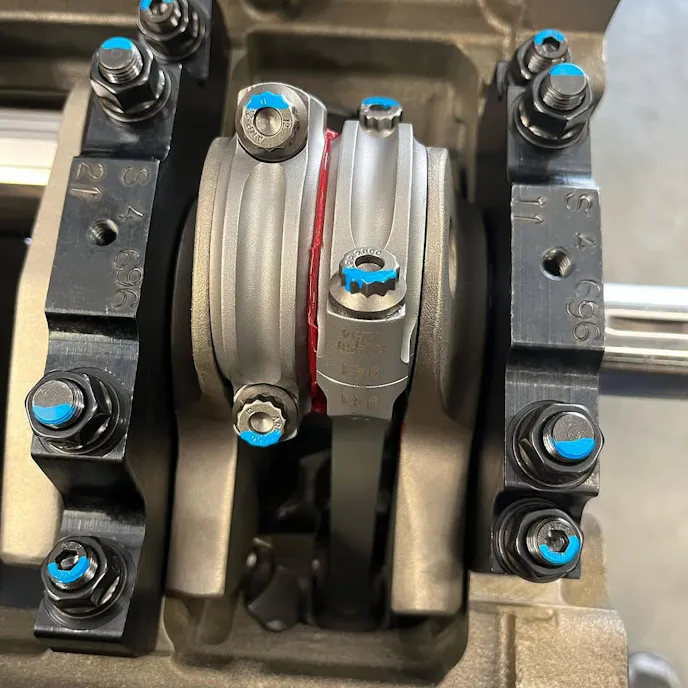
ARP has a variety of rod bolt solutions for all kinds of LS builds. P/N 134-6006, made from premium grade 8740 chromoly steel, is a great kit for street cars with mild performance upgrades. They are significantly stronger and more reliable than stock fasteners and can be either torqued or stretched.
P/N 234-6301, created from the firm’s proprietary ARP2000 alloy, works well with boosted or nitrous-equipped builds. These bolts are specifically designed to withstand high thermal loads without embrittlement. If you need to get even more extreme, ARP offers Custom Age 625+ (P/N 300-6704) bolts that are designed for extreme racing applications. Created from a proprietary precipitation-hardened nickel-base alloy, this kit is engineered for up to 40 psi of boost and resists corrosion, oxidation, and embrittlement.
The Main Things About Main Bolts And Main Studs
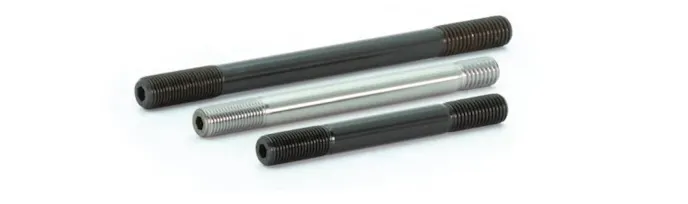
Despite still being TTY units, factory LS main bolts are stronger than factory LS rod bolts. It’s important to note that GM varied its use of TTY main bolts throughout LS production, with the LS1 and LS6 using M10s, and the LS2, LS3, and most iron truck blocks using M11s. While those baseline fasteners are ok for street use, they’re certainly not as strong as aftermarket studs.
Switching to main studs offers several advantages in high-horsepower builds. They apply load straight into the block without twisting during torque, maintain better cap alignment, and provide more consistent clamping force. But there’s a tradeoff. Because studs apply greater and more uniform clamp load, the main housing bores can shift slightly. That affects crankshaft alignment and bearing clearance. That means installing main studs without align-honing the block can lead to tight mains, spun bearings, or crankshaft binding.
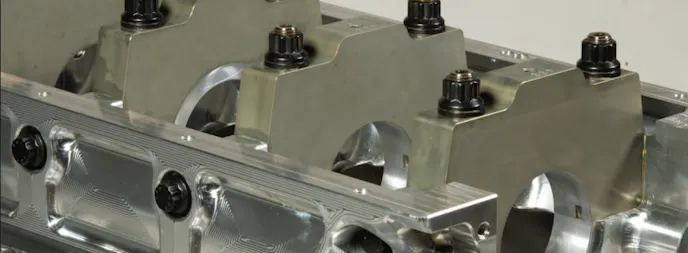
If you have a mildly upgraded LS that lives on the street, your main bolts are probably fine. But if you want to push serious power by adding boost or nitrous, or if you plan to build something for the track, main studs are a vital investment. ARP’s Pro Series 234-5608 Main Stud Kit is considered the gold standard for high-horsepower LS builds. Manufactured from premium grade 8740 chromoly steel, the studs are heat-treated, feature precision J-form (UNJ) threads, and are teamed with hardened parallel-ground washers and aerospace quality nuts.
To Head Bolt Or To Head Stud?
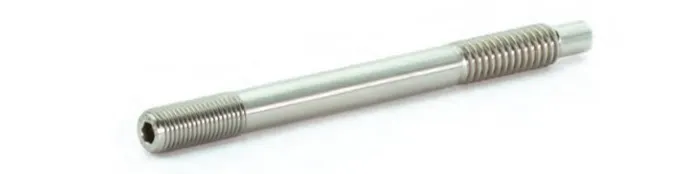
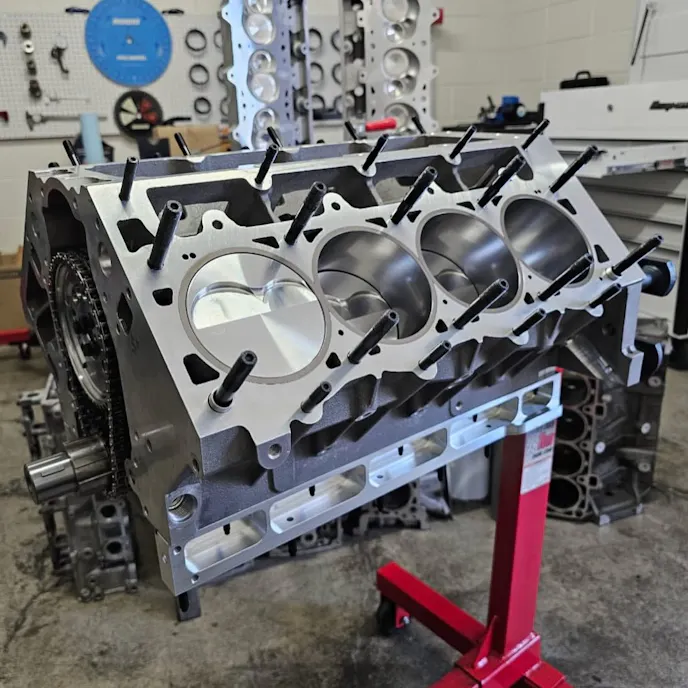
LS head bolts are largely the same story as LS main bolts: GM’s TTY units are fine for stock, naturally-aspirated applications. However, once you add boost, nitrous, higher compression, or aggressive timing, head studs become inexpensive insurance. There are many benefits to switching to studs, with the first being that, unlike GM’s TTY bolts, they are reusable. Studs also provide a higher clamp load, more consistent torque, and better gasket sealing. While head studs don’t typically require machining changes, aluminum blocks can distort slightly under increased clamp load. These days, most professional LS builders use torque plates and studs during final honing.
If you’re planning to add boost, nitrous, or build something for the track, head studs are a must. For early LS applications (1997-2003), ARP Pro Series 234-4316 studs, created from 8740 chromoly steel, are a great upgrade. For extreme early LS builds, buyers can step up to ARP Pro Series 234-4313 studs, which feature Custom Age 625+ ultra high-strength nickel-based alloy that’s been heat-treated to prevent head gasket failures under extreme pressure. For 2004 and newer LS engines, ARP Pro Series 234-4317, made from 8740 chromoly steel, is even good for mild boost or nitrous. More serious applications can make excellent use of ARP Pro Series 234-4314, which, again, thanks to Custom Age 625+ ultra high-strength nickel-based alloy, offers superior fatigue resistance and higher clamping force.
Why Stronger Fasteners Change Clearances
The simple explanation is that stronger fasteners stretch less, apply more clamp load, and transfer more force into the part. That additional force reshapes the surrounding structure, especially in aluminum LS blocks, which are more elastic than iron. Fasteners in an LS engine aren’t just holding parts together; they’re part of the structural equation. When you increase clamp load, you are literally altering bore geometry and oil film thickness. That’s why successful builders torque everything to spec and then measure housing bores and check bearing clearances.
Live By These Rules
There are a few simple things to consider when making upgrades. First, never reuse TTY bolts. Secondly, changing to stronger rod bolts requires resizing due to higher clamp loads. Third, main studs require align honing because their greater clamp load creates more distortion in the main bearing bores. Fourth, it’s a good idea to measure bearing clearances after any fastener upgrade. And finally, whenever possible, measure actual bolt stretch.
Upgrading LS fasteners isn’t just about throwing stronger hardware at your engine. It’s about controlling distortion and maintaining proper oil clearances under load. Done correctly, upgraded rod, main, and head fasteners dramatically increase durability and stability. Done incorrectly, they reshape your engine in ways you didn’t intend, and that’s when expensive parts fail. High-quality components from ARP will ensure your power is fun and your engine has the durability to stay alive.
You might also like
L8T and Godzilla Square Off in Horsepower Wars Season 5
Two legendary engine building shops battle for domestic supremacy using massive heavy duty truck blocks on the engine dyno.