

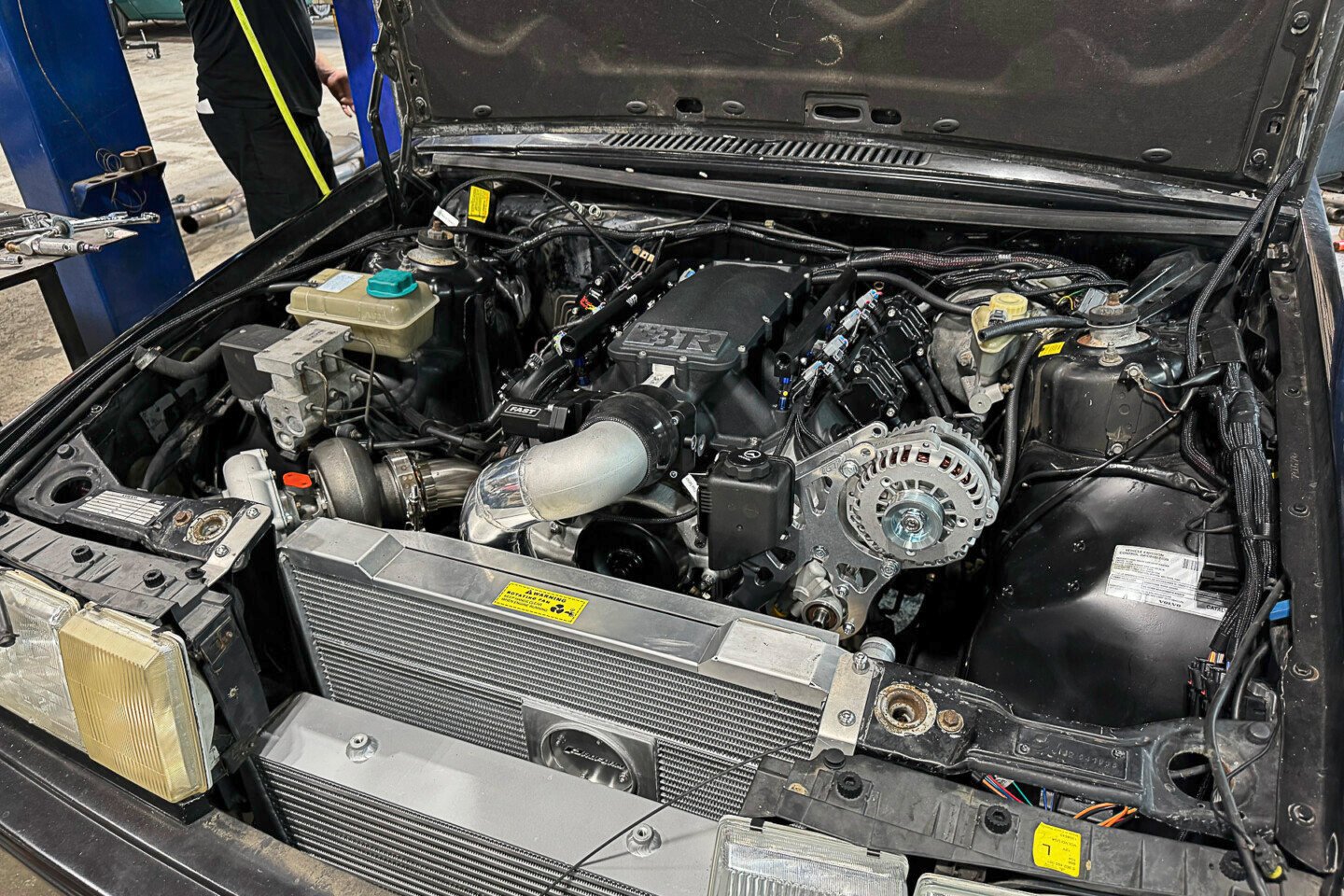
When discussing LS engines, whether stock or modified, most enthusiasts focus on topics such as camshafts, cylinder heads, headers, intakes, and power adders for GM’s popular modern performance pushrod V8. However, it’s sometimes the simpler things that are the most overlooked and can rear their ugly heads to cause trouble down the road. We’re going to cover the basics of the LS cooling system here to keep your prized swap or GM performance car cool and on the road.
Bleeding Off Some Steam
The most commonly asked part of the LS cooling system, and the area that causes the most confusion and misinformation, is the steam ports in the inner corner of the cylinder heads. Many suggest online that you can just plug these off when doing a swap, saving you time and a few bucks worth of parts, but these ports and the related tubes are there for a reason.
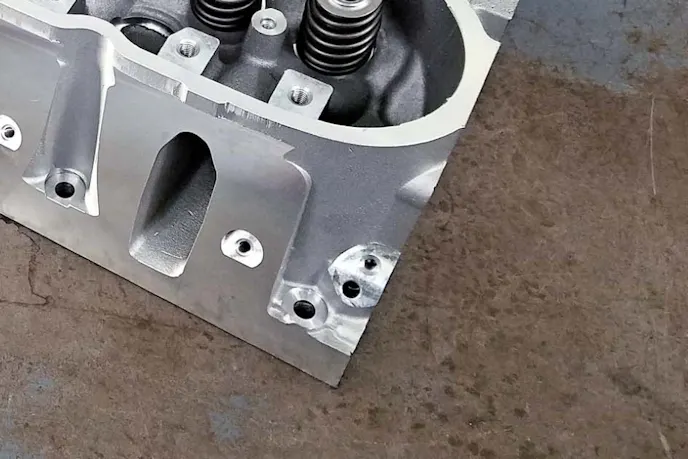
In the older small-block and big-block engines, coolant first flows through the block and up through the heads before exiting through the thermostat housing that’s located on top of the intake manifold. This outlet location, being the highest point of the cooling system in the engine itself, allowed any trapped air in the cooling system to be purged.
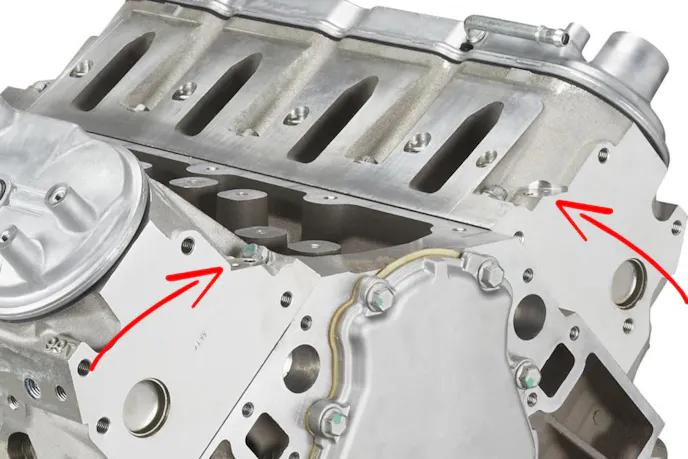
With LS engines, the thermostat is positioned at a point lower than most of the coolant passages in the engine. Any air that enters the LS cooling system can get trapped, forming bubbles in the coolant. This trapped air takes up space in the cooling system that’s normally occupied by coolant, and since air can’t dissipate the heat as efficiently and effectively as a liquid can, this creates hot spots, which can cause overheating and more serious issues like detonation and pre-ignition within the cylinder that can eventually damage your engine.
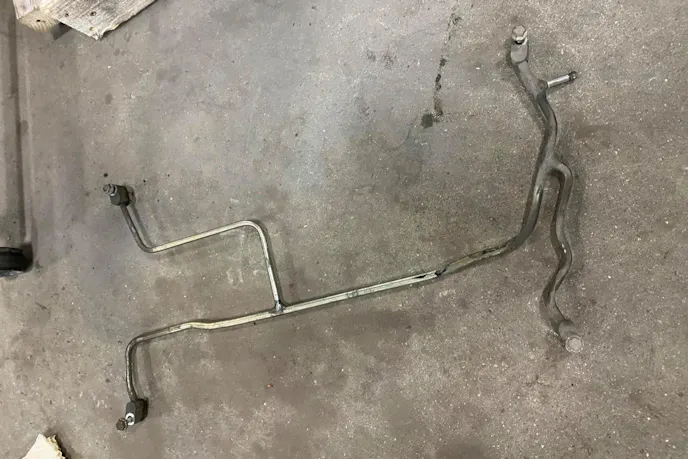
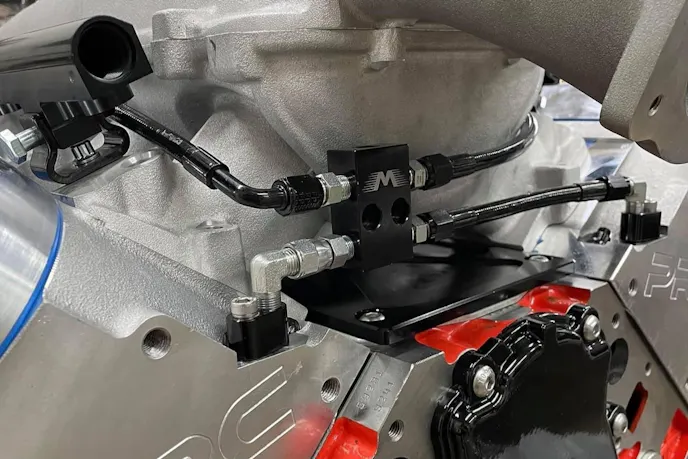
GM’s solution to remove this trapped air from the LS cooling system was to add steam ports to the highest point in the cylinder heads. These ports were connected to one another via steam tubes and routed back into the cooling system via a port on the radiator. The steam ports allow coolant to flow to the highest points of the engine, removing any trapped air.
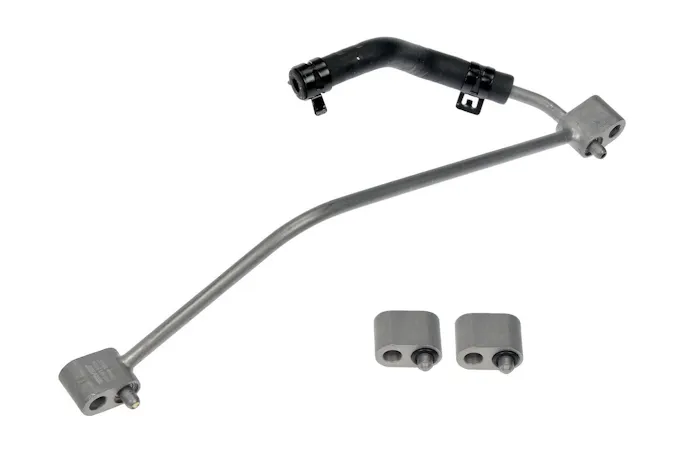
LS engines utilize four ports, two in the front of the heads and two in the back. If your engine is positioned level or near level in the chassis, it’s important to use all four ports. But if your LS engine is elevated slightly higher in the front, you can block off the rear two ports and only use the front two. The tilt helps purge any air through the front two ports. It is important not to plug all four ports off. If any air ends up in the LS cooling system, it will not be able to quickly and properly purge that air and will cause your engine to overheat.
Thermostats To Match The Pump
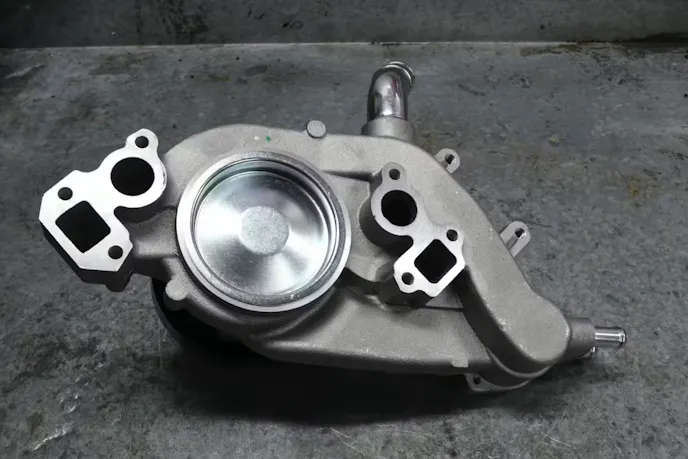
Over the LS’s 23-year production life, there were a total of three different thermostat designs and the matching water pumps for the LS cooling systems. Many have tried to categorize these three designs differently over the years, calling them the 97-04, 04-08, and 09-plus styles, or the LS1, LS2, and LS3 styles. However, in reality, these three designs are compatible with many different models and years, and getting them wrong can cause cooling issues.
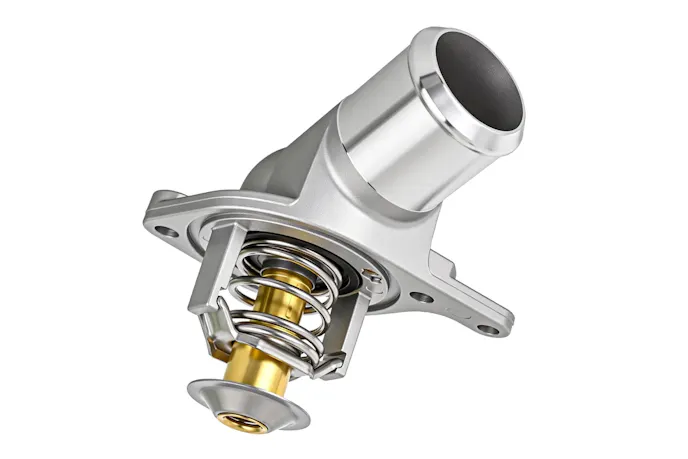
The first design, often called the LS1 or 97-04 style thermostat, was used in 1998-2002 F-bodies, 1997-2003 Corvettes, 1999-2003 trucks, and some 2004 GTOs. Unlike the style you might see in previous Chevrolet V8s, this thermostat is part of the thermostat housing. The two-bolt mounting pattern for the housing is unique to this style, so it will only mount to the matching water pump. Over the years, this design and its matching water pump have slowly been phased out in favor of the second design thermostat.
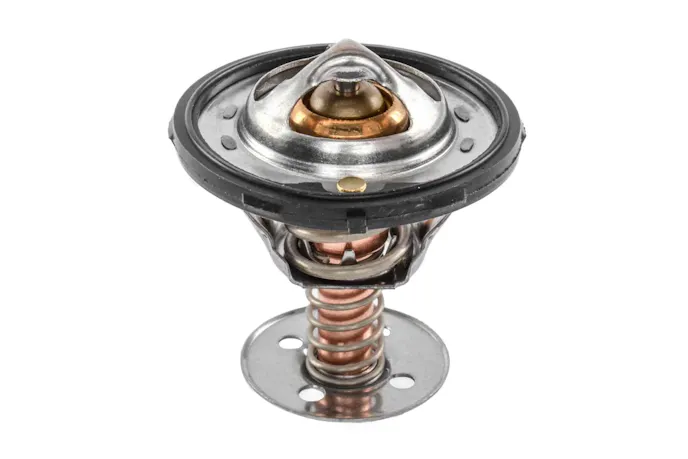
The second design thermostat is called the LS2 or 04-08 style thermostat, but came equipped in a lot more than just the 6.0-liter LS2 engines. GM made the right move and separated the thermostat and thermostat housing with this style. While this design was short-lived, and only came in 2004-2008 Corvettes, 2004-2007 CTS-Vs, and 2004-2006 trucks, ACDelco and the aftermarket have moved away from the earlier pump designs and have been replacing them with water pumps that use this mid-year thermostat style.
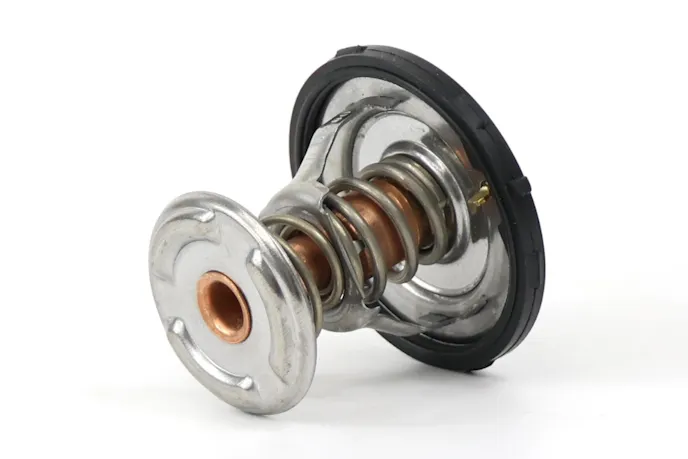
The third and final design is commonly designated as the LS3 design and was used all the way through to the end of LS production. These look almost identical to the LS2-style thermostat used previously, but are slightly bigger in dimension. It is possible to purchase the wrong thermostat for your LS and either cause leaks or cooling issues. This design was used in more than just the 6.2-liter LS3 engines and can be found in 2009-2013 Corvettes, 2009-2013 CTS-Vs, 2010-2015 Camaros, Pontiac G8s, and 2007 and up LS-equipped trucks.
The Head Gasket’s Role
Inside the LS, the coolant flows through the block first and then up through the cylinder head before exiting from the upper hose to the radiator. This path of coolant going all the way through the engine block and making a U-turn at the back before making the trip through the cylinder heads is crucial for a balanced cooling system.
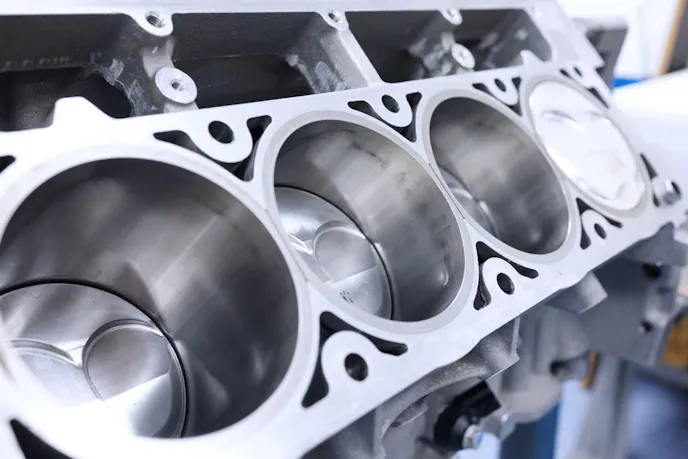
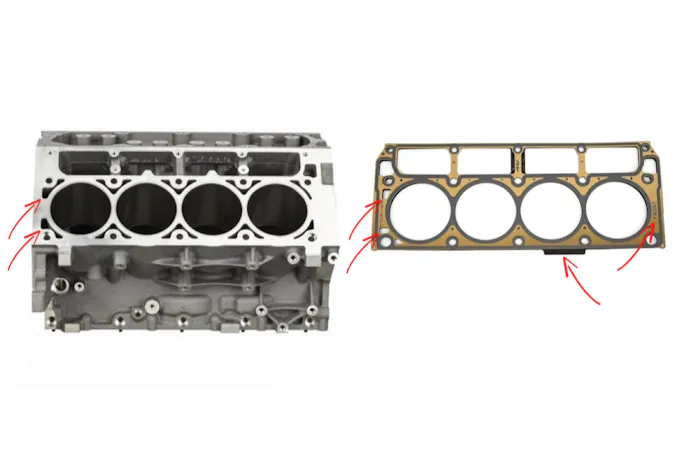
The surface of the cylinder heads and the engine block are covered in coolant ports that surround the cylinders and chambers to keep all that horsepower chilled. But one look at the head gasket might have you think that you’ve bought the wrong parts. Where you would think there should be large ports to match the coolant passages between the heads and block are just small pin-holes, except for the two openings at the rear of the gaskets.
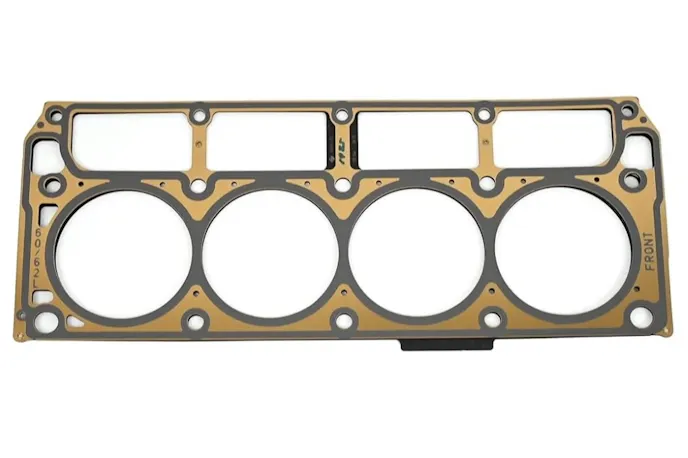
But this design is intentional. Without the head gaskets forcing almost all of the coolant flow to the back of the heads before returning to the front, the coolant would simply enter the block at the front two cylinders, immediately pass upwards through the heads, and back out, leaving the rear six cylinders without circulating coolant and guaranteeing you an overheating and damaged engine.
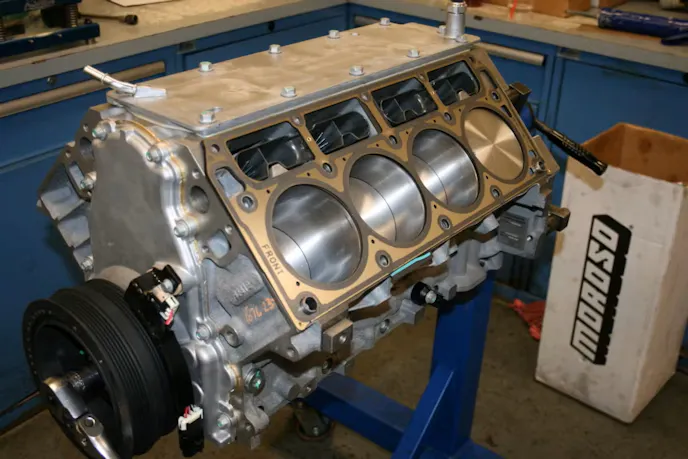
So it’s important to remember when building your LS, doing a cylinder head swap, or a DOD delete, to be mindful of head gasket orientation. The gaskets are marked “front” on each, and there are also tabs that are near the front of the head gasket as well to help reassure you that reassembly went as planned, even after everything is torqued down.
Going With The Flow
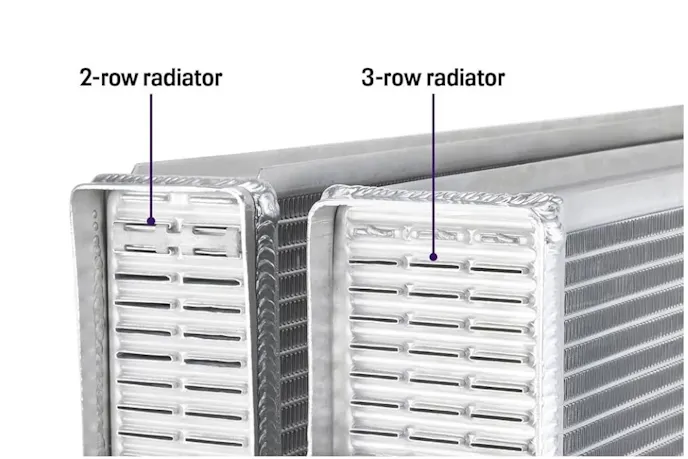
Without adequate airflow, your radiator is just a big rectangular reservoir for hot water. Coolant transfers heat to rows of tubes, and the tubes transfer heat to the fins. Air moving through the fins dissipates the heat from the radiator. You need sufficient openings to the radiator that channel adequate air to the entire surface of the radiator. You must consider how ambient air will reach the radiator and how the heat will be evacuated from the engine compartment to keep your LS cooling system running effectively.
Mechanical fans aren’t common on LS-powered vehicles, but they were equipped on early LS-powered trucks, and many keep the old, reliable mechanical fan setup on their LS swap. While mechanical fans sap some horsepower from your engine, they are very effective at moving air through the radiator. But it is important to remember the fan shroud as well. A large fan spinning near the radiator will struggle to move enough air to keep your performance V8 cool at idle, but the shroud helps effectively seal this area to draw air through the radiator.
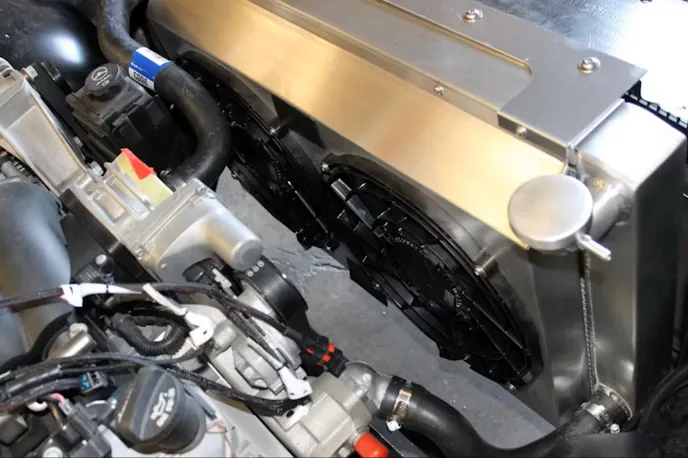
Electric fans are the way to go if the budget allows. This setup saves weight, reduces parasitic power losses, gives you a little fuel mileage back, and typically is more compact for tight-fitting LS-swapped engine bays. But not all fans are created equal. Cheap fans from your favorite overseas mail-order website are made with inferior motors and blade designs. And most of the time, they have been caught greatly exaggerating their CFM capabilities.
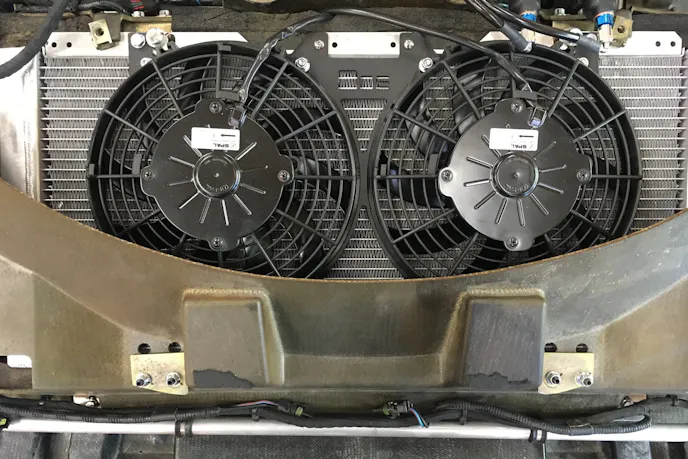
A quality name-brand electric fan from companies like Be Cool, SPAL, and others uses higher-quality and modern motor designs, fan blades that are quieter and flow more air, and will last as long as the LS you’re running. It is best to avoid a pusher-style fan setup, where the fan is in front of the radiator, as this can hinder airflow during cruising speeds, and fans are more effective at pulling air versus pushing. A single large fan, or two small fans, that cover as much of the radiator core as possible, mounted behind the radiator to pull the air through, will be adequate for low-speed cooling.
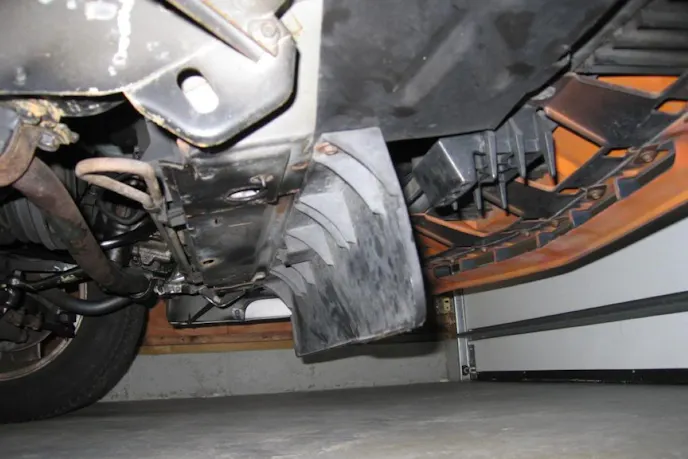
The cooling fan keeps the air moving through the radiator at low speeds, usually below 30 to 40 miles per hour, but at speeds higher than that on the street, your LS cooling system relies on free-flowing airflow at the front of the vehicle to keep things cool. This isn’t as simple as a big open grille; it also involves directing that airflow properly towards the front of the radiator with baffling and air dams.
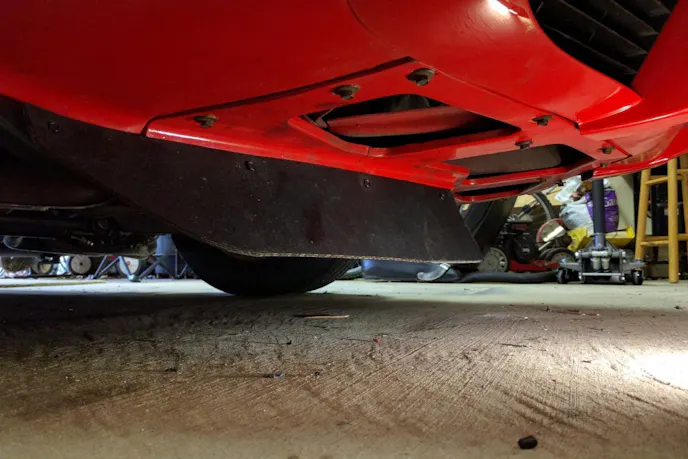
If you are swapping an LS into a truck like an S10, C10, or C1500, this likely won’t be as big an issue as you might think, since trucks have large grille openings with the radiator directly behind it. But with the increased popularity of LS-swapped ‘80s and ‘90s American and import cars, like 3rd Gen F-bodies, C3 and C4 Corvettes, Nissan 240SXs, and Mazda Miata and RX7s, channeling the air to the radiator is critical due to the aerodynamic body designs for these sporty classics shrinking the frontal area and grille openings.
If you have one of these classics, keep your eyes peeled for missing or damaged plastic and rubber baffling that acts like an air dam for the radiator. With enough age, time, and careless wrenches before you, these can be long gone and will need to be replaced.
More Than Just Coolant
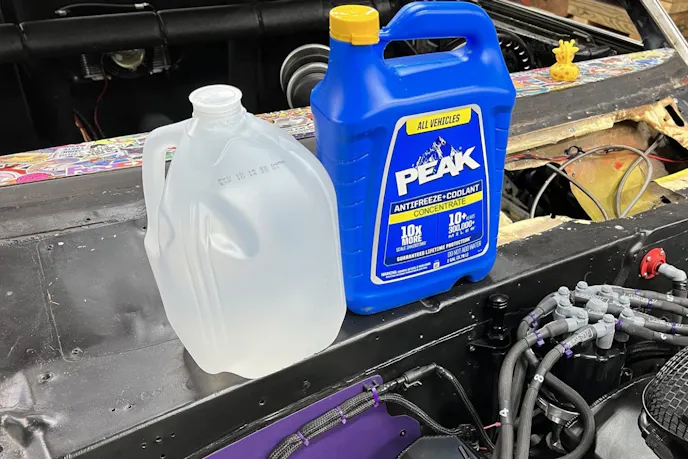
On the surface, plain water might seem like the perfect cooling solution. After all, it is the best heat transfer fluid around and comes right out of the tap. But running straight water in your LS cooling system is asking for trouble. Even if freezing temperatures aren’t a concern in your area, corrosion, overheating, and even biological growth can potentially wreak havoc on your engine.
Water alone doesn’t contain the corrosion inhibitors found in proper coolant or antifreeze, leaving vital metal components exposed and vulnerable. It can also become a breeding ground for bacteria, turning your system into a sludge-filled mess. Corrosion can cause damage to iron and aluminum parts, and sludgy buildup can reduce the efficiency of heat transfer and also cause hot spots.
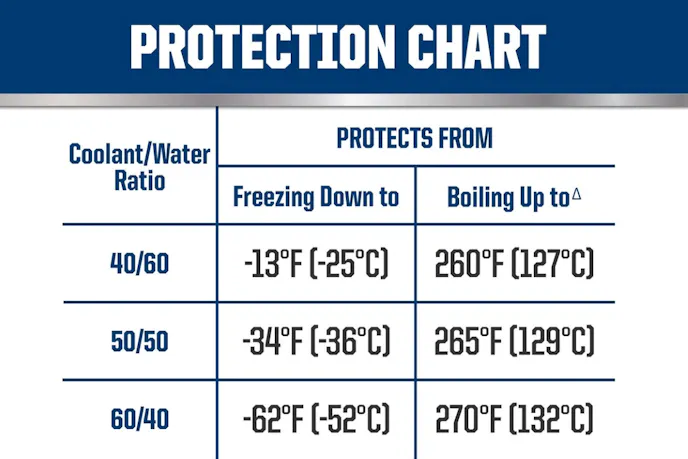
Beyond that, pure water boils at 212 degrees Fahrenheit, while a proper 50/50 mix of water and glycol-based coolant raises that boiling point to around 265 degrees. The ideal ratio depends on climate: a 50/50 glycol-water blend is the industry standard, while 40 percent glycol can work fine for milder weather. However, more isn’t always better, as going beyond 60 percent glycol actually reduces heat transfer efficiency. So, unless you sanction a racing body that requires straight water, which is becoming increasingly common for on-track safety, stick with a balanced coolant-water mix to protect your engine and keep temperatures under control.
Everything Working Together
Keeping an LS engine cool isn’t just about having a big radiator or fancy fans; it’s about understanding how every piece of the cooling system works together. From steam ports that purge trapped air to properly matched thermostats, head gasket orientation, and airflow management, every detail matters. Whether you’re running a factory LS or a high-horsepower swap, using the right parts and setup ensures reliability, consistency, and the long-term health of your LS cooling system. A properly designed and maintained cooling system doesn’t just prevent overheating, it protects your investment and keeps your performance machine running at its best.
You might also like
A Look At SVE's 1,000hp 2026 Yenko/SC Chevy Silverado
Specialty Vehicle Engineering transformed the Chevy pickup. The 2026 Yenko/SC Chevy Silverado packs up to 1,000 horsepower.