

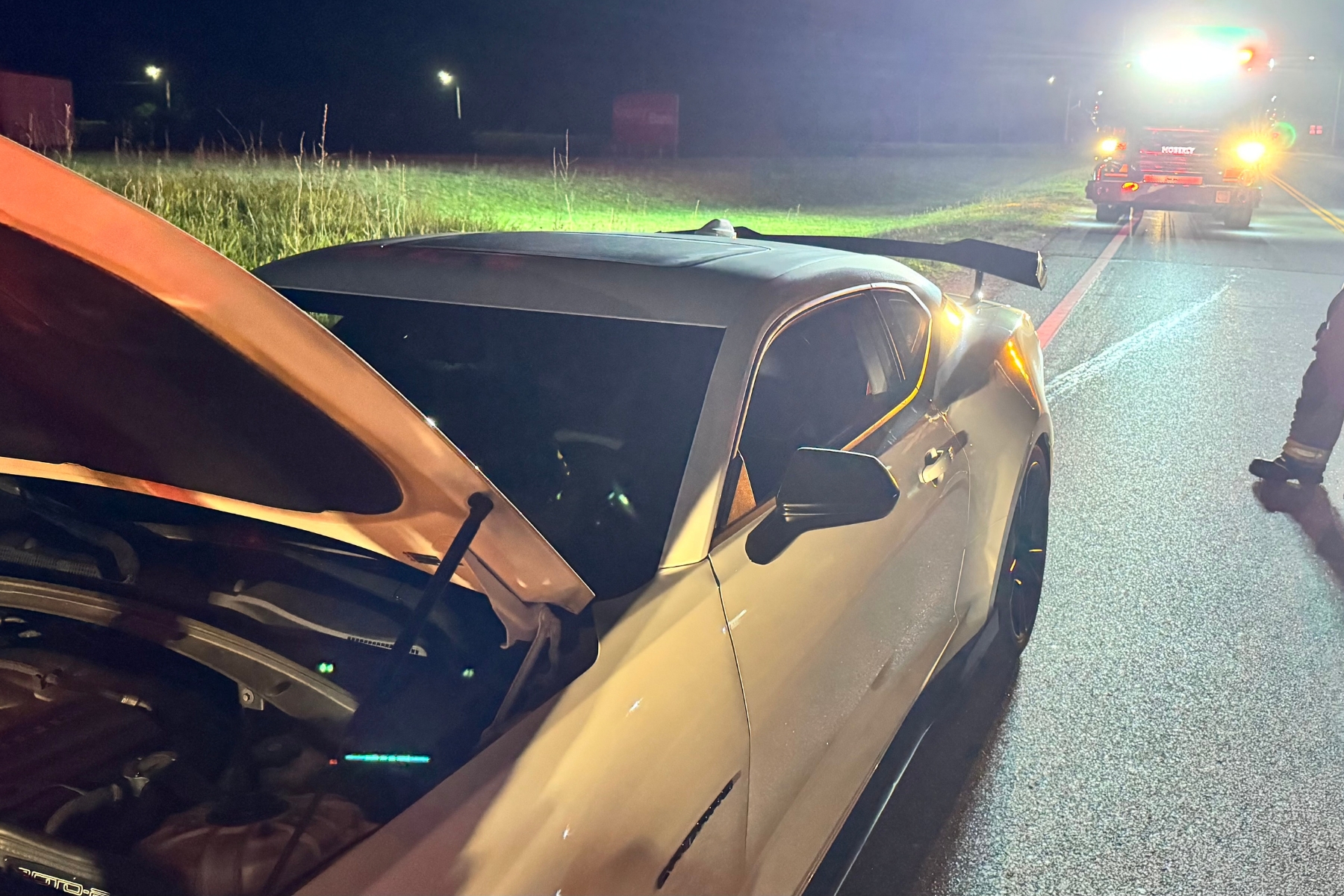
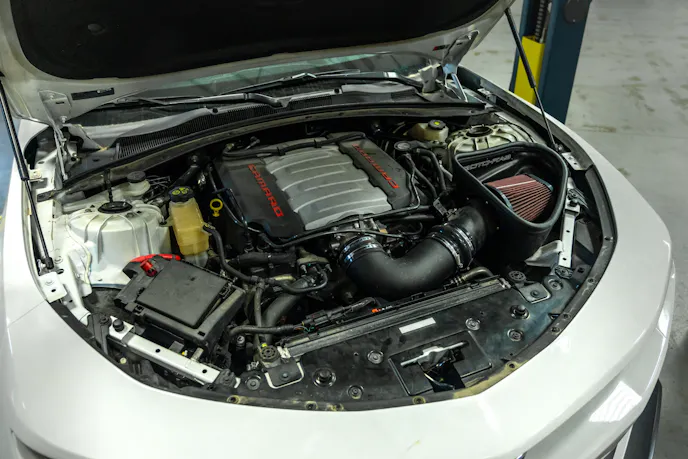
Close your eyes and try to picture your version of a nightmare. For most people, it probably involves something reasonable, like being late to work or forgetting a birthday. For those of us whose brains never fully developed past the point of thinking race cars are a solid financial plan, the nightmare looks different. It is 11:14 pm on a warm June night. You roll off a stoplight, turning left, doing less than 20 miles per hour, just cruising and enjoying the weather. Then, without any warning, your engine clanks and dies. No drama, no build-up, no warning light. Boy Scouts honor, there was no excessive acceleration involved. That was June 28, 2025. That was the last breath of the LT1 in our 2023 Camaro 2SS, with just 20,000 miles on the odometer. A Texas Speed 427 is what comes next.
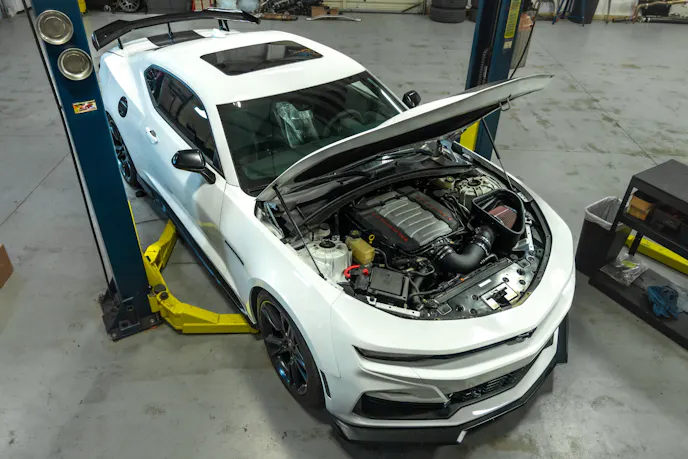
If you have been following this build, you have already seen us sort out the suspension with BMR and talk spark plug wires with Scott Performance. What you have not heard yet is everything happening under the hood in the background, which is why this story ends with a call to Texas Speed and Performance (TSP). Bear with me, because all of this matters.
How We Got Here
In my early 20s, I decided to add some modern muscle to my collection and jumped knee deep into the sixth-generation Camaro platform. My first was a 2022 Camaro 1SS, bought brand new off the lot. I had big plans for it. I ordered an exhaust system and some custom interior and exterior upgrades. I never actually got under the hood of that LT1, though. I was just about to start the header install when a dealership reached out about a 300-mile 2023 2SS. It had been custom-ordered by the dealer’s aunt, driven just 300 miles, and then parked in a garage. It had everything that would cause a 23-year-old to trade in a one-year-old car: Recaro seats, tinted windows, an aero kit, Brembos on all four corners, and customizable LEDs inside. Luckily for that dealership, I was also tired of keeping up with the black paint on the 2022. So I made the trade before I ever touched that engine.
I got the 2023 with 300 miles on the odometer. Around 600 miles later, I decided to install the headers and X-pipe I had originally bought for the 2022 but never got around to installing. Now, before you ask why I would void the warranty so early, this was right before I attended Holley’s LS Fest East. I could not show up to that event as a writer for LSX Magazine in a stock Camaro. So three days before the event, I cracked open the engine bay and dug into an LT for the first time. It took all three of those days, mostly because I was on jack stands instead of a lift.
The Tune That Started The Problem
That time crunch did not bite me in the end. I made the six-hour drive to Kentucky, and the car survived there and back. It made that 12-hour round trip three times on that setup. What I fought the whole time was an exhaust leak at the flanges. At first, I used the graphite gaskets that came with the headers, so I swapped those for MLS gaskets. Then the bolts kept backing out of the cylinder heads. I tightened them weekly, and they were not easy to access.
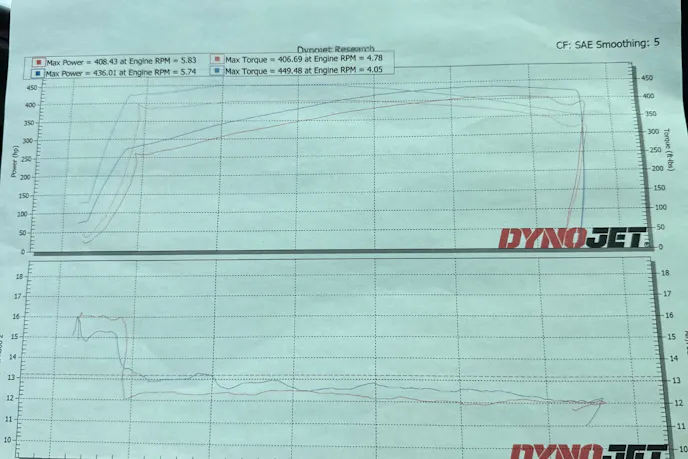
After about a year of running the RotoFab cold air intake and the exhaust, it was time for a tune. Being in Missouri, I normally drive two to three hours for work like this. But a local shop five minutes away with a dyno came highly recommended. Not a small handful of recommendations either. We are talking about 12 to 15 people. I even inspected some of the cars they had tuned. The car made about 400 wheel horsepower on the stock tune. After tuning, it made around 436 wheel horsepower with just the exhaust and cold air intake. Stock numbers are 455 horsepower at the crank. I took the car to another well-regarded tuner who reviewed the files. He said there were only minor changes he would have made and that it seemed mostly fine.
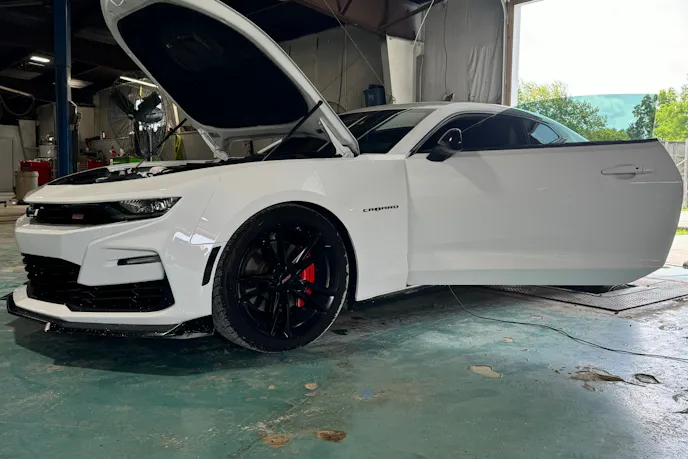
Looking back, that 436 wheel horsepower number was more about impressing me than giving me a safe tune. Hindsight is always 20/20.
The Failure
I was also constantly paranoid about lifter failure. These LT engines are known for it. Every little noise sent my anxiety through the roof. I cannot count the times I heard a pebble on the road and thought, “Well, this is it.” So I had started planning for a cam swap. The car drove about 5,000 miles on that tune before it finally gave out.
It was 11:14 pm on June 28, 2025. Twenty thousand miles on the odometer. I pulled up to a stoplight, rolled off the line, turned left, and got about 30 feet from the intersection at around 20 miles per hour, and the engine clanked and stopped. No warning. No sign. Obviously, the worst part was calling my wife and telling her that my daily driver and investment had broken down and was going to be an expensive fix.
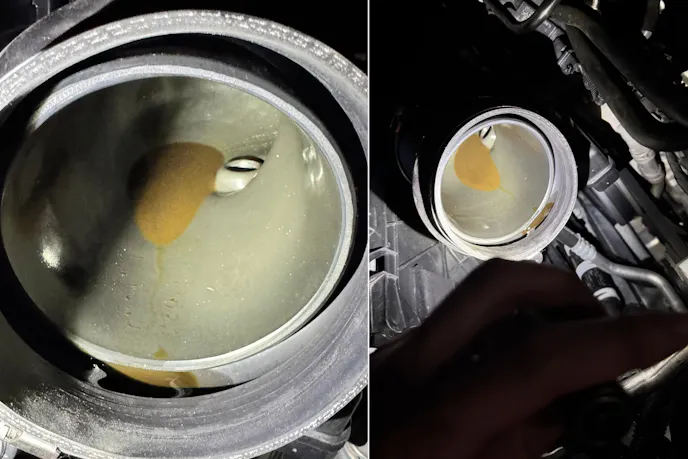
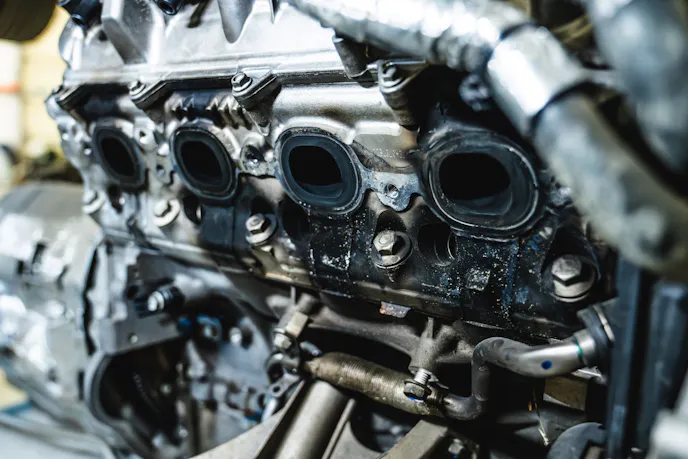
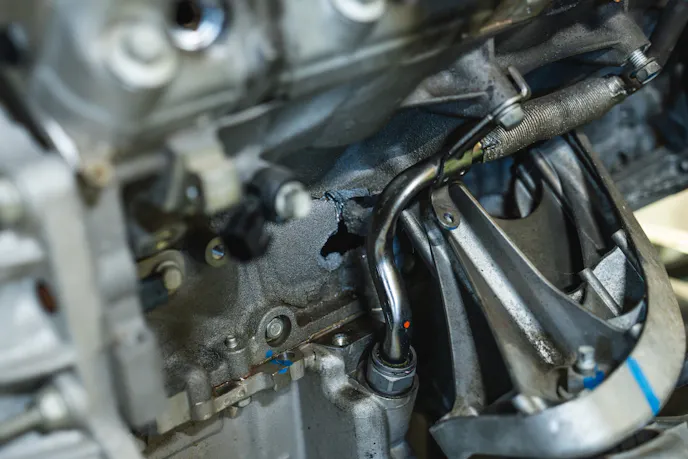
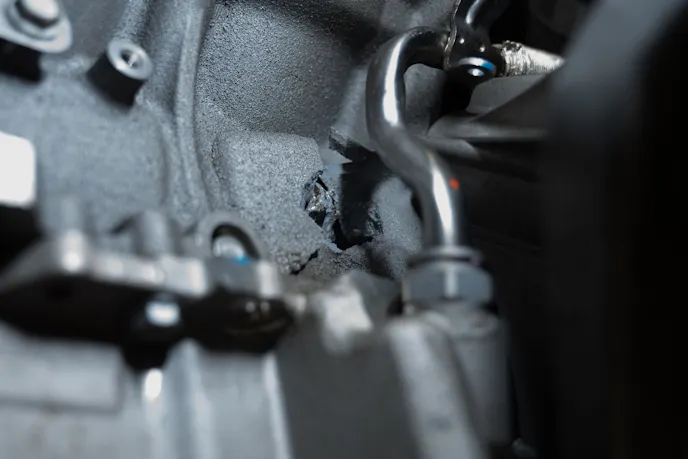
When House of Boost got into the car, they found a huge hole in the passenger side of the block. Cylinder number six’s plug and rod had left the chat. We first thought the exhaust leak may have reached the knock sensor on the passenger side since it was melted. But there is a heat shield on that sensor. It is also possible that a lifter caused the engine to lock up. The exiting piston may have gotten oil on the knock sensor and caused it to short-circuit and melt. We were not entirely sure. Then, House of Boost looked at the tune files and found 27-plus degrees of timing at 4,000 rpm on pump gas. They labeled it God’s tune. That explained everything. We are replacing the headers as part of this build, too, just to be safe.
Why The Stock Engine Was Never An Option
Replacing the engine with a stock GM LT1 crate unit was the first option considered and the first one eliminated. At the time of the failure, a stock crate engine ran around $10,000 without taxes. It was on backorder. Labor estimates came in between $7,000 and $10,000. The math was uncomfortable, but the price was not even the real problem.
GM has not fixed the displacement-on-demand (DOD) and active fuel management (AFM) system at the center of LT lifter failures since 2007. TSP was direct when we asked about the root cause: “The main cause of the lifter failure on 2007 to 2026 GM V8s has always been the DOD/AFM system.” TSP also shared that roughly 50 percent of the items they sell relate to the lifter failure issue. Half of their business. Let that sink in.
Spending up to $20,000 to reinstall the same engine with the same failure waiting to happen is not a rebuild. It is a countdown. I called Larry at House of Boost and updated the invoice from a cam swap to a full engine swap. Then we called TSP to figure out what should go under the hood. That answer was a Texas Speed 427.
What The Texas Speed 427 Brings To The Table
TSP recommended their Texas Speed 427 LT Brawler long-block, specifically the 416/427 ci, 4.00-inch stroke sleeved Gen 5 LT1/LT4 package. The Brawler line exists for situations like this. TSP explains, “The main goal behind the Brawler line of products was to provide fast and easy ordering for our customers to find something budget-friendly and in stock.” When your car is sitting in a shop, that matters.
We chose the Texas Speed 427 ci version over the 416. Both share the same 1,000-horsepower ceiling, but TSP notes the larger displacement “will make that power easier and more efficiently.” When boost is coming, efficiency and headroom matter. Every Brawler long-block starts with a new stock GM block, with all machine work done in-house at TSP. The rotating assembly pairs a TSP-forged 4.00-inch stroke crankshaft with TSP I-beam-forged connecting rods and Wiseco pistons. That combination handles naturally aspirated, boosted, and nitrous applications. TSP recommends 10.5:1 to 11.7:1 compression depending on fuel and application.
Camshaft, Valvetrain, And The Lifter Fix That Matters
For our build, TSP selected the Gen 5 LT1 “EL-C7” Version 2 camshaft. The specs are 231/245 degrees of duration, 0.645/0.631-inch lift, a 112-degree lobe separation angle, a 109 intake centerline, and a 32-percent fuel lobe increase. That fuel lobe upgrade addresses the demands of the LT’s direct-injection system. TSP kept it real when we asked about direct injection’s influence: “Honestly, direct injection doesn’t influence as much as people think, but it has more downsides than upsides.”
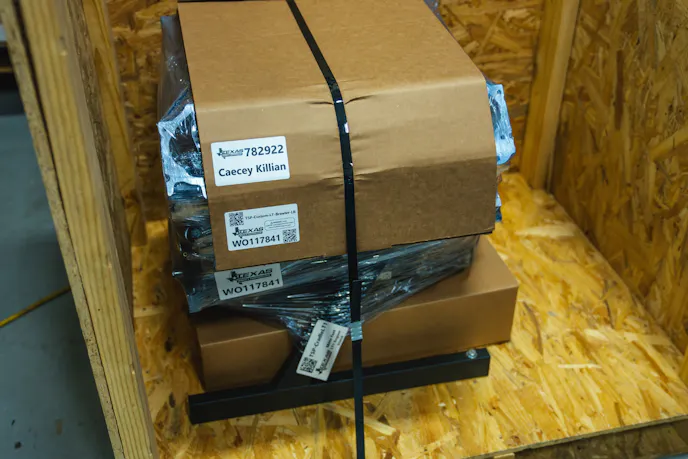
Standard valvetrain hardware includes dual 0.660-inch springs with titanium retainers and chromoly pushrods. For higher-rpm applications, TSP recommends roller rockers with a CHE Trunnion kit. The cylinder heads are ported stock LT1 units. TSP clarifies, “We incorporate a ported stock cylinder head into the Brawler long-blocks to enhance flow without incurring excessive costs.” For boosted applications, TSP recommends its Titan intake manifold. The block retains stock oiling and cooling passages, with no additional modifications needed.
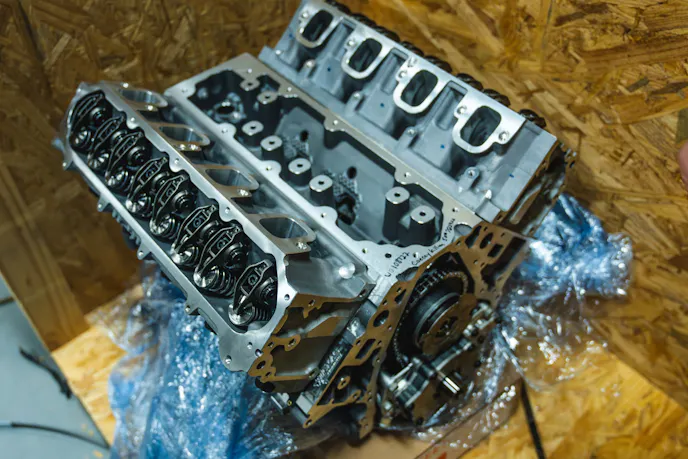
Most importantly, the Texas Speed 427 Brawler replaces the factory lifters with either GM LS7 lifters or Johnson lifters. That targets the DOD/AFM failure point directly. This is not just a more powerful engine. It is a more reliable one. TSP put it plainly: “The 416/427 Brawler engines are a perfect replacement for your blown-up stock engine as you get a reliable engine that has significantly more power.”
Quality Control, Power Numbers, And What Comes Next
Four dedicated engine builders at TSP measure and triple-check every component before a long-block ships. TSP explains, “We have four engine builders who measure and triple-check everything before the motor is marked as complete.” They do not dyno every engine before shipping, but their internal process is thorough, and they stand behind the finished product.
When we asked what power the Texas Speed 427 should make in the Camaro, TSP had some fun with it. Naturally aspirated, they project 756 horsepower at the crank. On boost, TSP estimates the combination could push past 1,000 wheel horsepower depending on how hard the setup gets pushed. That is a long way from the 436 wheel horsepower we were chasing on a stock short-block with a bad tune.
It took time to get all the pieces together, so the Camaro did not make it to House of Boost until October. The build is underway, the Texas Speed 427 long-block is on its way, and what started as an expensive nightmare is turning into everything I ever dreamed of. Stay tuned, because the real fun is just getting started.
You might also like
LS Power, No Limits: How A Simple Swap Turned A '66 Cadillac Into A Cross-Country Machine
The Gold Digger Cadillac proves that LS swaps are about more than just horsepower numbers and dyno sheets.