
The days of buyers spec-ing pickups and SUVs as simple workhorses are long gone, and as a result, today’s trucks and truck buyers are more sophisticated than ever. In addition to hauling things and working hard, modern trucks often double as family vehicles, road trip rigs, and sometimes even high-performance toys. That diversification of purpose has pushed suspension development far beyond the static drop era, and few companies have adapted to that evolution better than Ridetech.
Engineering suspension systems that improve everything from ride quality and handling to overall chassis composure, Ridetech has developed several excellent suspension solutions for GM light-duty trucks and SUVs. Modern trucks and SUVs are making more power than ever before, and today’s builds are expected to corner harder, launch cleaner, ride comfortably, and still handle everyday driving duties without compromise. That means, instead of simply chopping ride height like some competitors, Ridetech focused heavily on geometry, shock valving, suspension travel, and real-world performance.
To better understand how modern truck suspension engineering has evolved, we sat down with Blane Burnett, Ridetech Marketing Manager, to discuss everything from coilovers and air ride to tuning around Magnetic Ride Control and optimizing anti-squat and roll center characteristics.
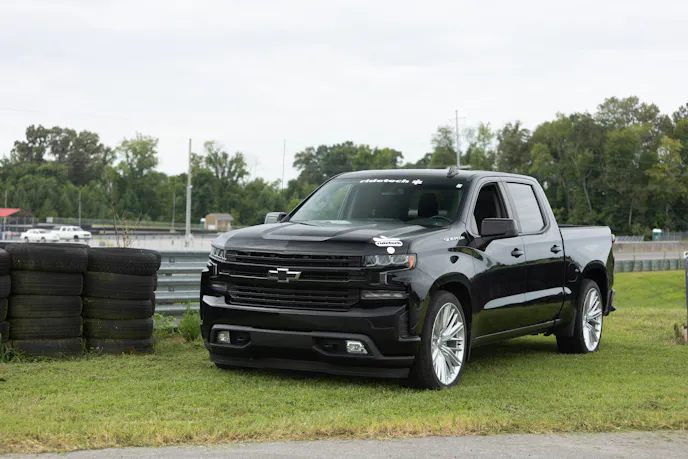
Ridetech suspension systems for GM trucks are designed with performance in mind. What suspension characteristic, such as body roll, steering response, and/or weight transfer, changes most dramatically once these trucks are lowered and properly tuned?
All of the above. A properly engineered lowering system dramatically improves body control, steering response, and overall chassis composure. The truck feels more connected and predictable while reducing body roll and excessive weight transfer.
What separates Ridetech is that we don’t focus solely on lowering ride height. Our systems are engineered as complete performance packages with application-specific shock valving and suspension geometry designed to improve handling without sacrificing ride quality. At the end of the day, a vehicle that rides well is one you’ll continue to enjoy driving for years to come.
Many lowered trucks ride great in a straight line, but struggle with chassis stability in corners. What separates your suspension tuning philosophy from the typical “static drop” approach?
Many companies prioritize appearance over other key areas. At Ridetech, maintaining ride quality and proper suspension function is a core part of the development process.
We spend a great deal of time refining geometry, shock tuning, and suspension travel so the vehicle remains comfortable, stable, and predictable in real-world driving conditions. Depending on the platform (typically classic-focused), we also focus heavily on camber gain throughout suspension travel, so owners don’t have to rely on excessive static camber that can negatively impact tire wear and drivability.
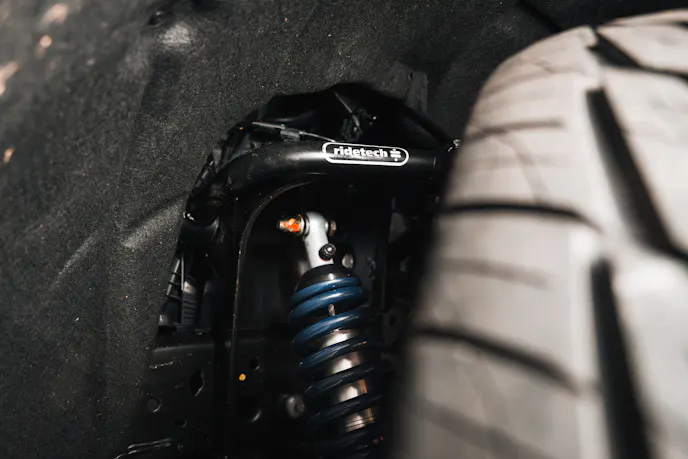
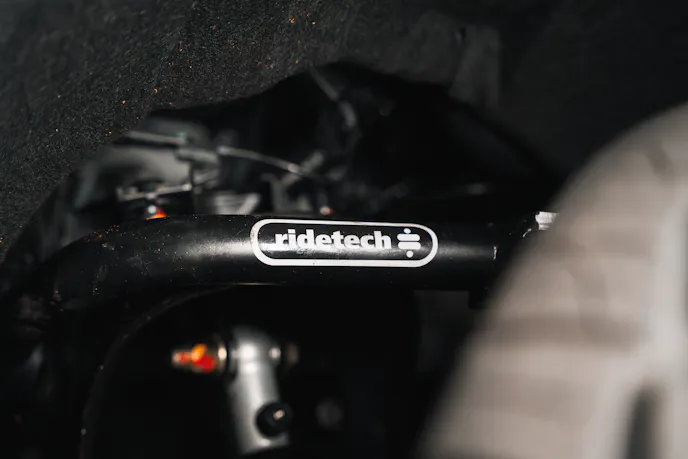
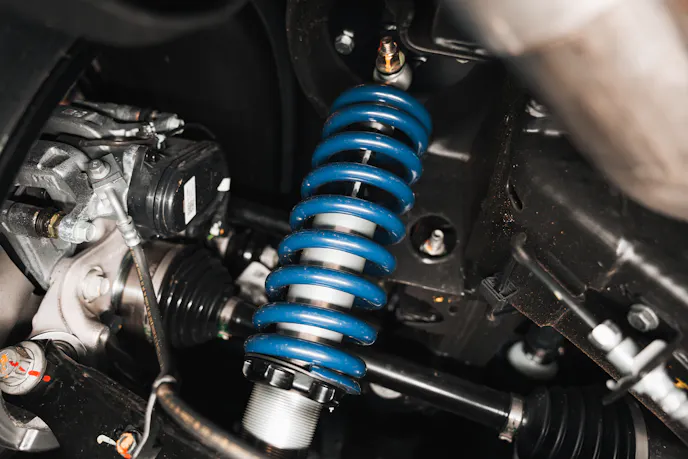
Ridetech’s suspension systems support both ShockWave ® air suspension and traditional coilovers. From an engineering standpoint, where do you see the biggest trade-offs between air ride and coilover performance on a GM truck or SUV?
Both systems can perform extremely well when properly engineered. We’ve built air ride vehicles that are highly competitive on track, but generally speaking, performance-oriented street and competition builds tend to lean toward coilovers, while vehicles focused on stance, cruising, and versatility often favor air suspension.
The advantage of our ShockWave ® systems is adjustability. Being able to change air pressure allows owners to fine-tune ride height and comfort depending on passenger load, cargo, or driving conditions. Coilovers typically provide a more direct and consistent performance feel, while air suspension offers greater flexibility.
Ridetech manufactures bolt-on kits, with most featuring little to no cutting or welding. How important were ease of installation, reversibility, and preserving factory frame integrity during development?
Those factors are extremely important to us. Our goal is to create systems that significantly improve performance while remaining approachable for enthusiasts installing them in a home garage or local shop.
That’s why bolt-in installation is a major focus during development. Preserving factory frame integrity and minimizing permanent modification allows many of these vehicles to be returned to stock if desired, while also making installation more straightforward and repeatable. Of course, Ridetech also benefits from a robust dealer/installer network, and we’re happy to set you up with an installer in your area if preferred.
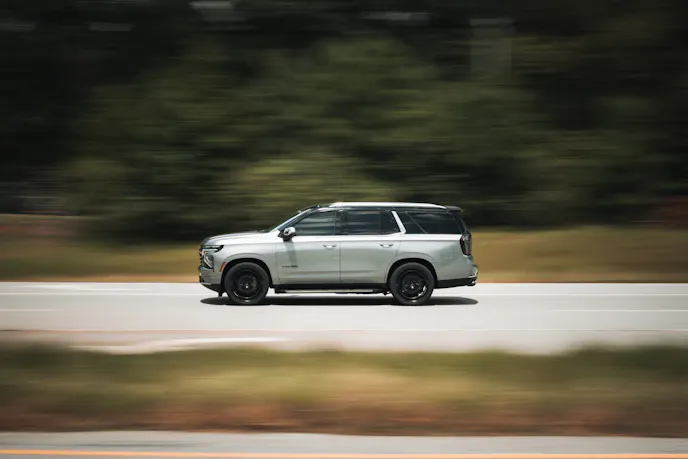
Ridetech offers optional traction bars, sway bars, and load-leveling air assist systems in addition to these lowering kits. Were these additions driven more by real-world customer feedback or by limitations you discovered during testing?
Both. Extensive real-world testing and customer feedback have shown us where additional tuning tools can further improve performance and drivability.
Traction bars help control axle wrap and wheel hop on high-horsepower leaf spring applications. Sway bars allow us to fine-tune turn-in response and overall chassis balance. Load-leveling systems are especially beneficial for lowered trucks that still see occasional hauling or passengers, helping maintain suspension function and ride quality under load.
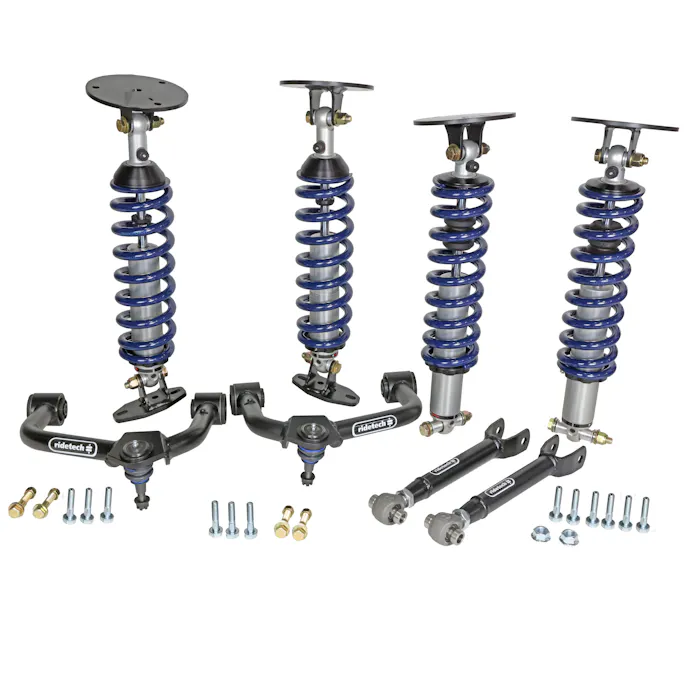
Ridetech’s systems use Fox Factory monotube coilovers, upgraded control arms, and adjustable rebound damping. What were the biggest suspension limitations in the factory GM setup that you specifically wanted to correct?
One of the biggest limitations is that factory suspension systems are designed for the broadest range of consumers possible, not necessarily enthusiasts looking for improved stance and handling.
Once these trucks are lowered, factory upper control arms can become a limitation when trying to achieve proper alignment and maintain suspension geometry. We also wanted to improve ride quality and damping performance with a high-quality monotube shock designed specifically for these applications. Adjustable rebound damping gives owners the ability to fine-tune the suspension for different road surfaces, driving styles, and environments.
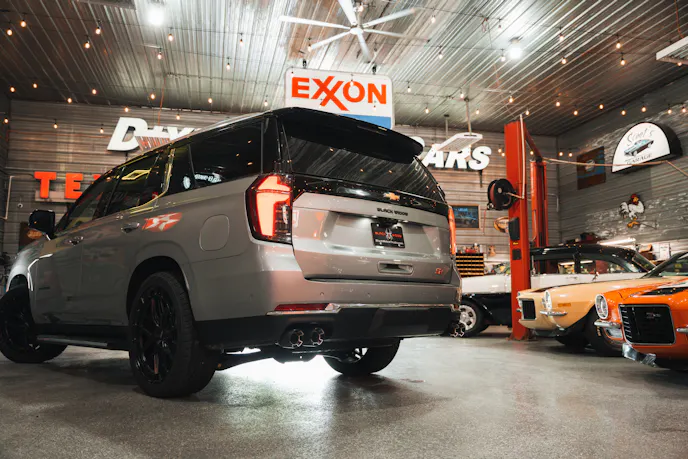
You engineered suspension solutions for both two-wheel-drive and four-wheel-drive platforms. How much hidden complexity exists underneath modern GM trucks that most enthusiasts never realize until they start modifying suspension components?
There’s far more complexity than most enthusiasts initially realize. Suspension changes don’t happen in isolation — every adjustment affects alignment, geometry, ride quality, suspension travel, and overall vehicle behavior.
That’s why we engineer complete systems rather than isolated components. We account for those follow-on effects during development so the finished package performs cohesively right out of the box.
Ridetech mentions optimized anti-squat, roll center, and pinion angle migration. How much testing went into dialing those characteristics specifically for lowered GM trucks versus a traditional muscle car platform?
We’ve accumulated copious data from developing suspension systems over the years, but every platform still requires extensive validation and real-world testing.
While the engineering principles remain similar between muscle cars and modern trucks, the vehicle weight, suspension architecture, intended use, and ride expectations are all different. Our goal is always to ensure the changes we make improve the vehicle across the board, not just in one isolated area.
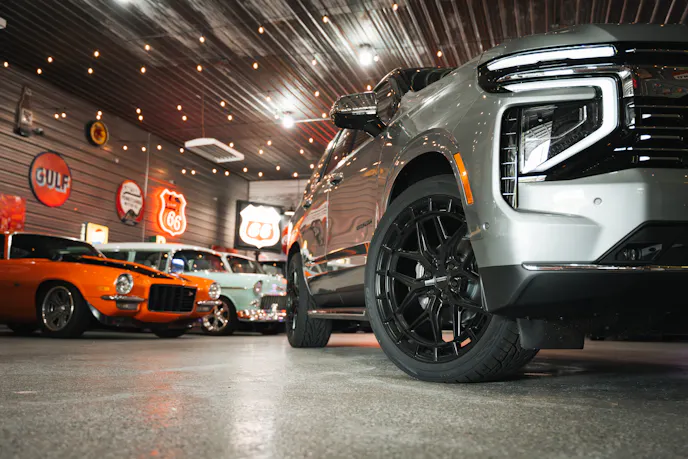
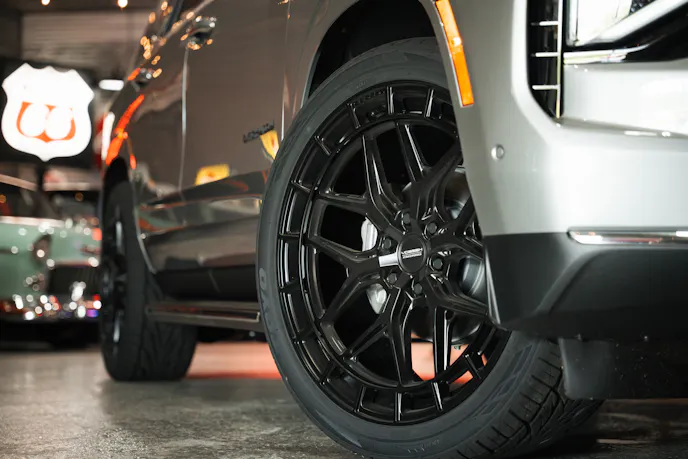
Modern Escalades and Denalis already come with sophisticated factory suspension technology like Magnetic Ride Control. How difficult is it to outperform OEM systems that are already extremely advanced?
Factory systems like Magnetic Ride Control are impressive and do an excellent job balancing comfort and versatility for a wide range of drivers.
However, Ridetech products are designed specifically for enthusiasts who want to personalize and lower their vehicles for improved stance, wheel and tire fitment, and sharper handling characteristics. Once you move outside the factory operating window, an enthusiast-focused suspension system can deliver advantages in performance, adjustability, and long-term serviceability.
Another consideration is replacement cost. OEM electronic dampers can be very expensive to replace, which makes a high-quality static coilover system an attractive long-term solution. Ridetech shocks and coilovers are also backed by a million-and-one-mile warranty.
The truck performance market has evolved far beyond simple lowering kits, and modern GM trucks are making serious horsepower. Are you seeing more owners build them as modern sport trucks rather than traditional lowered cruisers, and how has that shifted Ridetech’s suspension tuning philosophy?
Absolutely. Today’s trucks offer incredible factory performance potential, and many owners want to build them into modern sport trucks that can genuinely handle and perform — not just look good parked.
That shift has reinforced the importance of developing suspension systems that improve handling, stability, and driver confidence while still maintaining the comfort and versatility people expect from modern trucks.
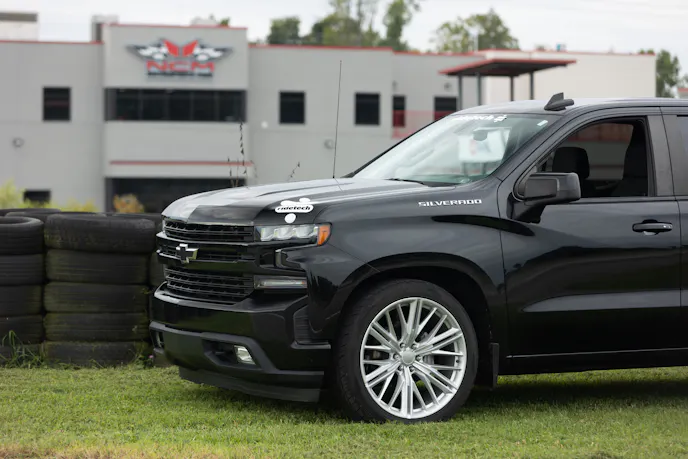
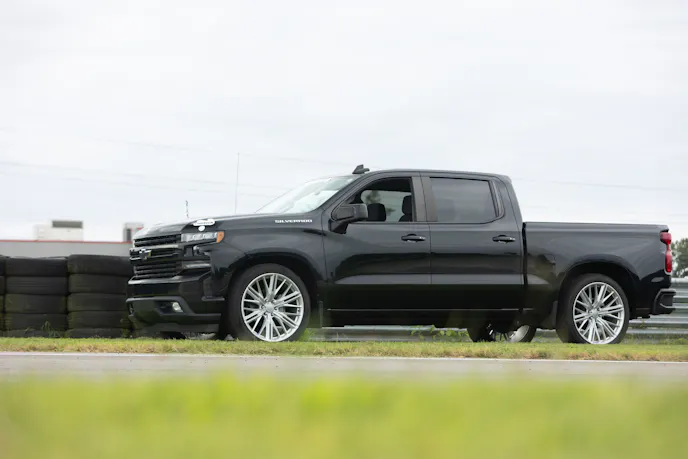
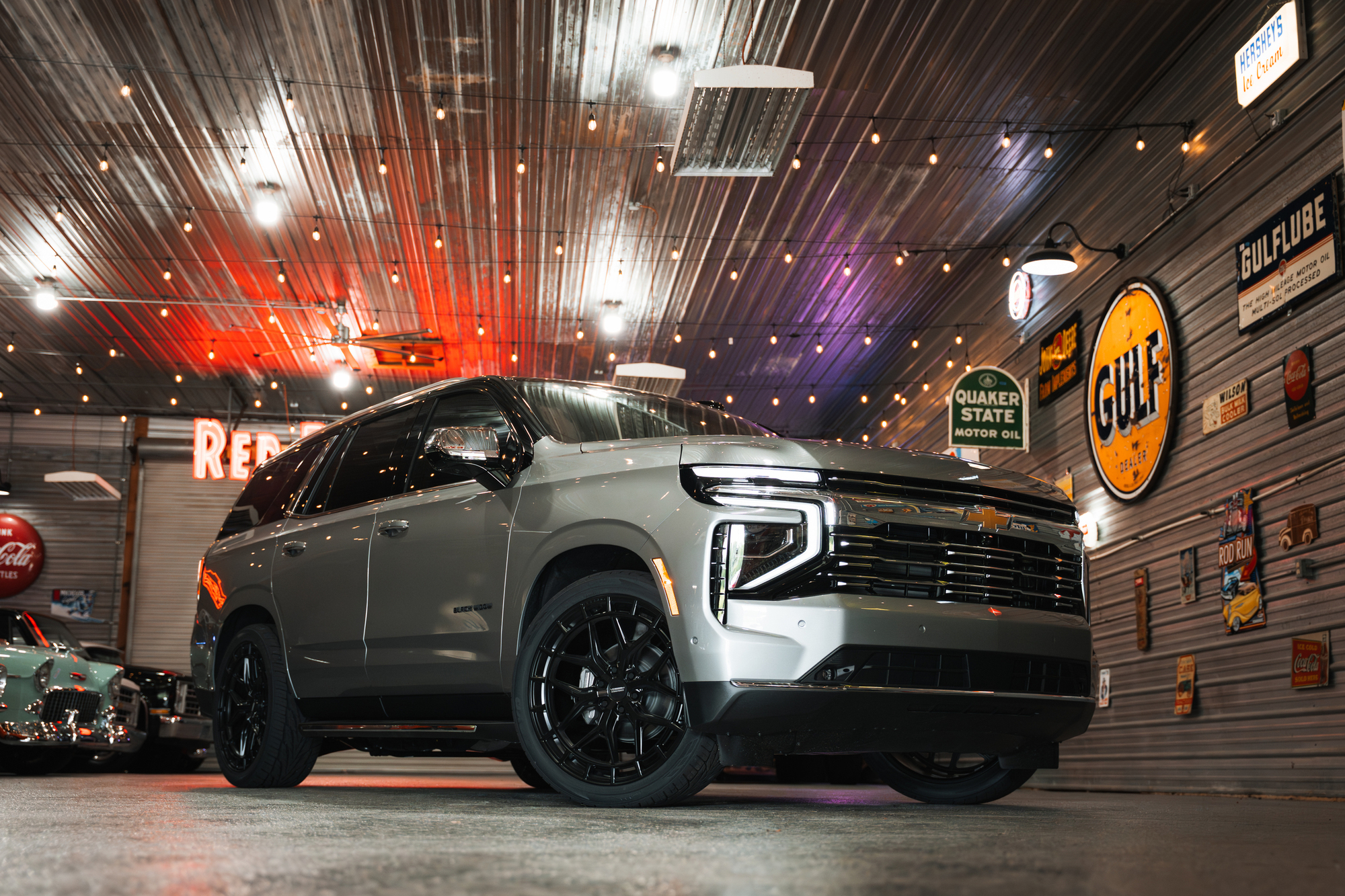
We’re starting to see high-end builds turn Tahoes, Yukons, and Escalades into modern luxury sport SUVs with performance upgrades and serious wheel-and-tire packages. Do you think this market is becoming a new frontier for street-truck culture?
Definitely. Many enthusiasts who grew up around mini-trucks and traditional street trucks are now at a different stage of life where they want more space and practicality without giving up enthusiast culture.
Modern full-size SUVs provide a great platform for blending luxury, performance, and customization. It’s exciting to apply everything we’ve learned developing late-model truck suspension systems to these larger SUV platforms while still delivering the stance, handling, and drivability enthusiasts want.
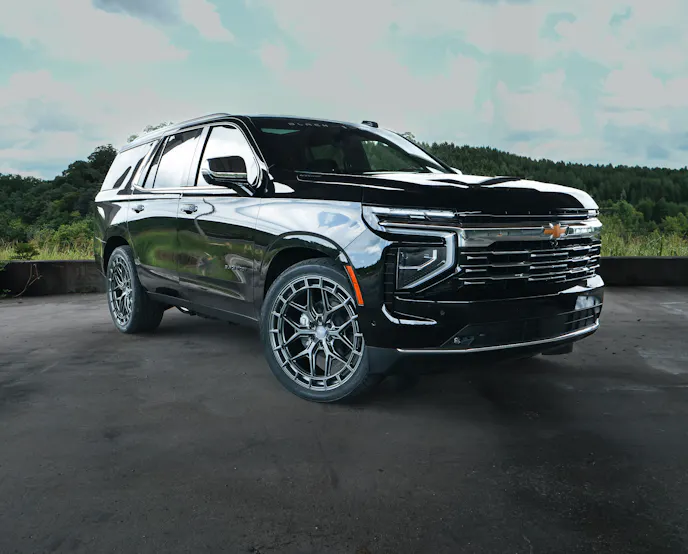
It’s kind of shocking to see how far the versatility and purpose of modern trucks and SUVs have evolved, even over the last decade. Today’s body-on-frame rigs are expected to tow, road trip, corner, launch hard, and still look right sitting on a big wheel-and-tire package. That’s a lot of ground to cover, and it’s exactly why suspension development has matured beyond old-school chop-and-drops. Simply put, modern trucks and SUVs are no longer separate from enthusiast culture; they are enthusiast culture.
Ridetech clearly understands that enthusiasts want complete vehicles. Trucks and SUVs with good geometry, shock tuning, suspension travel, drivability, and long-term reliability. Whether it’s a lowered street truck, a high-horsepower sport truck, or a luxury SUV build, their goal is the same: create something that performs better everywhere.
You might also like
Win This Custom 1970 Chevrolet C30 Dually Restomod
A custom V8 hauler headlines the 1970 Chevrolet C30 Dualie Restomod giveaway. Charity donations secure tickets before the fall drawing.