

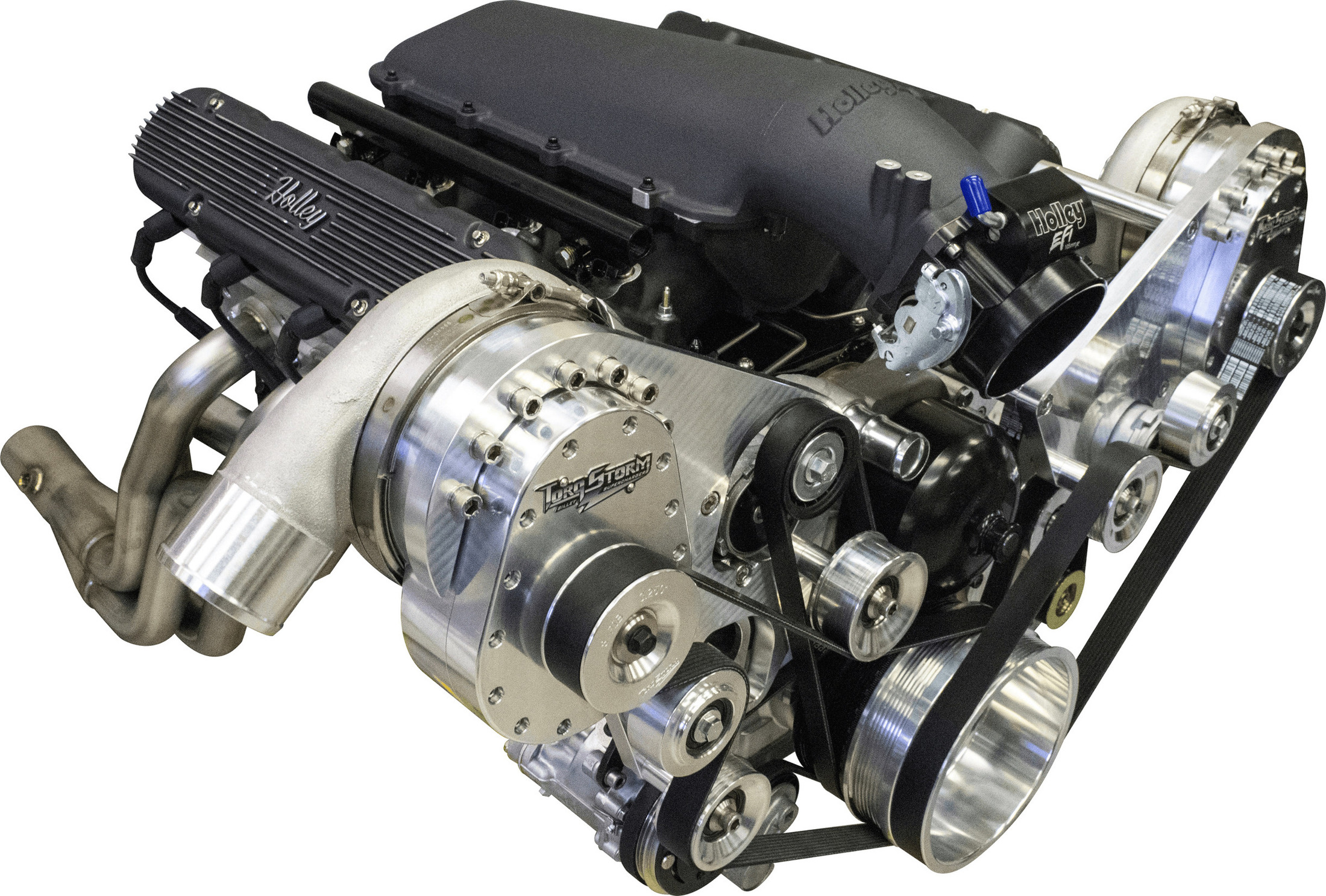
The General’s mighty LS engines have earned a great reputation for doing just about everything well. Enthusiasts pull stalwart 5.3-liter truck engines out of junkyards and build them to four-digit horsepower. Mass-production muscle cars routinely embarrass exotics, and all the LS mills tend to do extremely well with power adders. With a bigger cam, a turbocharger, and a laptop, any skilled tech can turn a forgotten workhorse into a legitimate race car. But there is one aspect of LS performance that enthusiasts often overlook when they start chasing big power: ignition.
While almost everyone gets excited about flashy turbo kits, nitrous systems, and fancy cylinder heads, it’s also kind of assumed that the ignition system will somehow figure things out on its own. That’s a dangerous assumption. Especially when you’re spraying a 200-shot into a 408 stroker or cramming 20 pounds of boost into an LM7. At the end of the day, none of that extra air and fuel matters if the spark can’t reliably ignite the mixture.
More Cylinder Pressure Means More Demand
An LS engine running naturally aspirated is relatively easy to fire. Cylinder pressures are manageable, and GM’s factory ignition system usually has enough reserve capacity to handle basic modifications. Once boost or nitrous enters the equation, everything changes. Turbochargers, superchargers, and nitrous oxide all dramatically increase cylinder pressure. The very point of higher cylinder pressure is to create a denser air-fuel mixture inside the combustion chamber. That, in turn, makes it much harder for the spark plug to fire consistently.
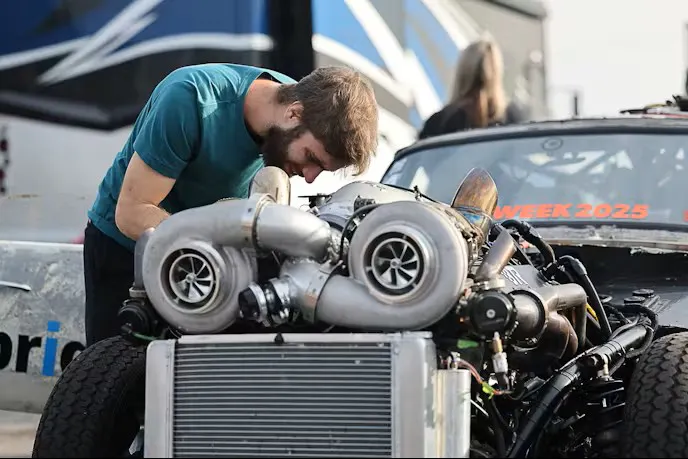
What felt perfectly adequate on a cam-only LS can suddenly become a liability once boost arrives. Weak coils, poor plug wires, excessive plug gaps, or inadequate dwell time can all contribute to spark blowout, misfires, and lost horsepower. Essentially, the power adder has pushed the efficiency of the engine beyond the factory ignition system’s capability.
Why Spark Blowout Happens
If you’ve ever watched a turbo LS start breaking up at high RPM under boost, you’ve probably witnessed spark blowout. As cylinder pressure rises, the spark has a harder time jumping the plug gap. If the ignition system doesn’t have enough voltage available, the spark simply gets extinguished before it can fully ignite the mixture. The result is a misfire that costs power and can potentially damage the engine.
That’s one reason many serious LS builders upgrade their ignition systems as horsepower climbs. A stronger spark allows the engine to maintain combustion stability under conditions that would overwhelm a stock ignition setup. But making power with an LS isn’t simply about creating a bigger spark, as timing matters just as much.
Ignition Timing Is Always Critical
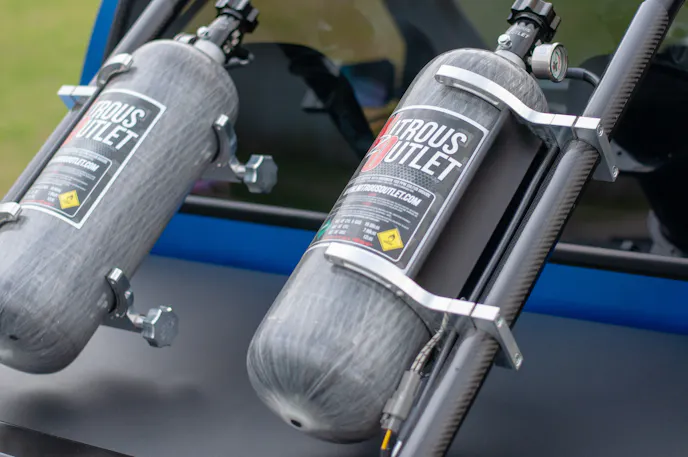
Naturally aspirated engines generally like more timing because cylinder pressure builds relatively slowly. Boosted and nitrous-assisted combinations are the exact opposite. Cylinder pressure rises much faster, which means timing must be carefully controlled. Too much timing under boost can quickly lead to detonation, pre-ignition, and catastrophic engine damage. Too little timing leaves horsepower on the table.
Fortunately, modern LS engines make timing adjustments easier than ever. By using tuning platforms, builders can precisely control spark advance throughout the entire operating range. Timing can be tailored for boost, nitrous activation, launch conditions, and even individual gear changes.
Coils And Plug Wires Matter More Than Ever
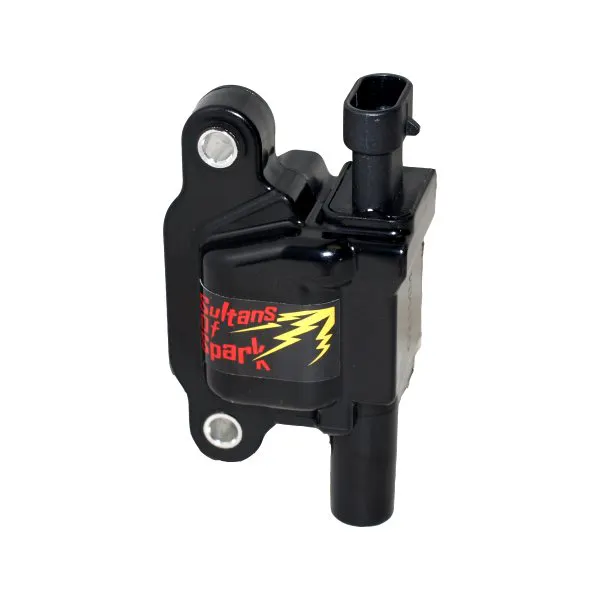
One advantage the LS platform has always enjoyed is its coil-near-plug architecture. Unlike older distributor-based engines, every cylinder receives its own dedicated ignition coil. As horsepower increases, many builders upgrade to higher-output ignition coils, such as Performance Distributors Sultans Of Spark. In addition to providing more spark energy and improved reliability, stronger coils help ensure the spark remains stable under extreme cylinder pressure and high RPM conditions.
On the other side of the equation, low-quality wires can introduce resistance, reduce spark energy, and create electrical interference. That’s where products like Performance Distributors LiveWires come in. LiveWires are customizable plug wires that combine low resistance with exceptional heat protection. In an LS engine surrounded by turbochargers, headers, or nitrous plumbing, keeping spark energy intact becomes just as important as generating spark.

Anybody can throw nitrous, bigger injectors, or a turbo onto an LS engine. The real challenge is keeping all those parts working in harmony to create maximum power. A strong ignition system with the right coils and wires is one of the most important methods of allowing your LS engine to take maximum advantage of every pound of boost and every shot of nitrous. Remember: horsepower starts with airflow and fuel, but it only becomes usable power when the spark plug lights the mixture.
Whether you’re building a street-driven turbo truck, a nitrous-fed drag-and-drive car, or a big horsepower race machine, the ignition system is what turns potential into performance. Ignore it, and your LS build will never hit full tilt. Get it right, and you’ll discover just how much speed America’s favorite small-block is capable of creating.
You might also like
QA1 Gives 1999–2006 Silverado And Sierra Trucks A Serious Suspension Upgrade
QA1's bolt-on suspension upgrades for 1999–2006 Silverado and Sierra trucks deliver aggressive lowering and improved handling.