


Remember when the C7 Z06s were first released on the world? One of life’s great ironies was how often we heard of this “track-ready” brawler having heat issues when pushed on the surface it was supposedly, originally designed to dominate.
There are many examples of how this car would scurry back to the pits, tail between its legs, needing time to cool off before it could go back out and do battle once again. There were enough Z06 owners having heat soak issues that a lawsuit was filed and GM just last year resolved the issue by giving current owners of the vehicle an extended warranty and upgrades to the vehicle’s cooling system. If you have a week and a half with nothing to do, you can read up on this thread at the CorvetteForum.
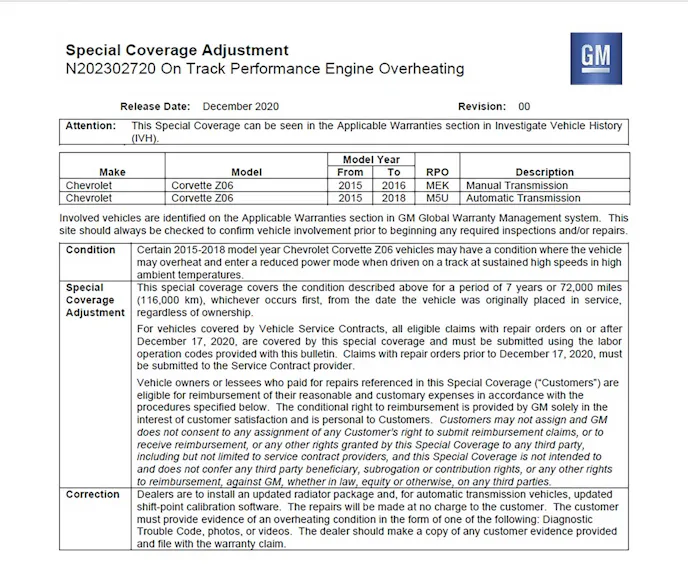
So, now GM has a handle on how to keep a sweaty brow from appearing on what could have been an egg-plastered face. But what do you do if you put even MORE power through the Z06’s mill, like what Callaway Cars does with their C7 Z06 SC757? You go above and beyond what GM did to ensure your modifications don’t wind up in the arbiter’s clubhouse also.
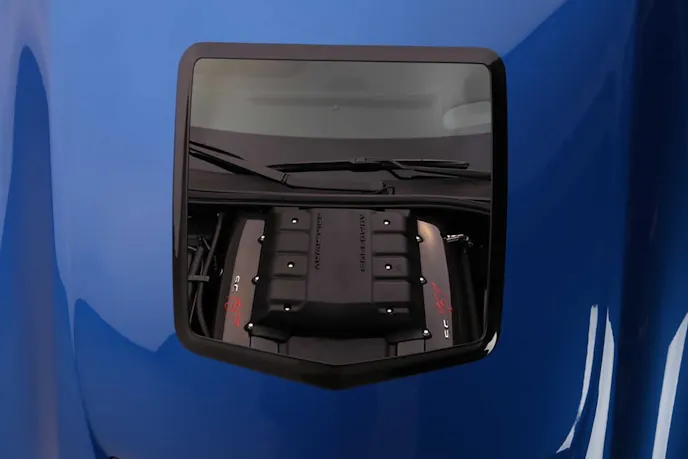
You NEED to not only test the entire car in environs that it may potentially see during use, but also you need to be able to quantify the issues and benefits accordingly. That’s exactly what Callaway Cars’ general manager, Pete Callaway did and posted the results for the world to see.
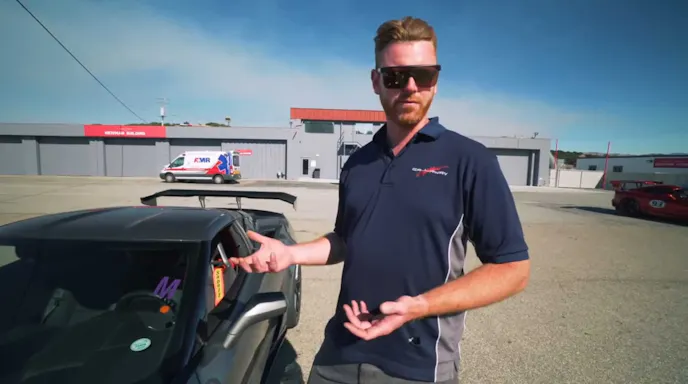
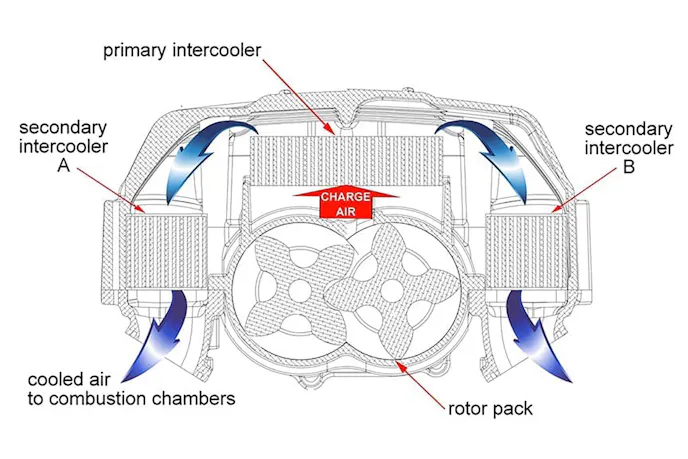
Pete and the Corvette that bears his family’s name hit the track in 110+ temps at Willow Springs International Raceway in Rosamond CA. Many C7 Z06 owners had mentioned they’ve gone into “limp mode” from overheating in temps much lower than triple digits. The C7 Z-car features Callaway’s Champion Package and several other competition options. The main boost to performance comes from the Triple-Cooled 2300 supercharger which features Callaway’s patented housing which uses three intercooler bricks instead of the factory two.
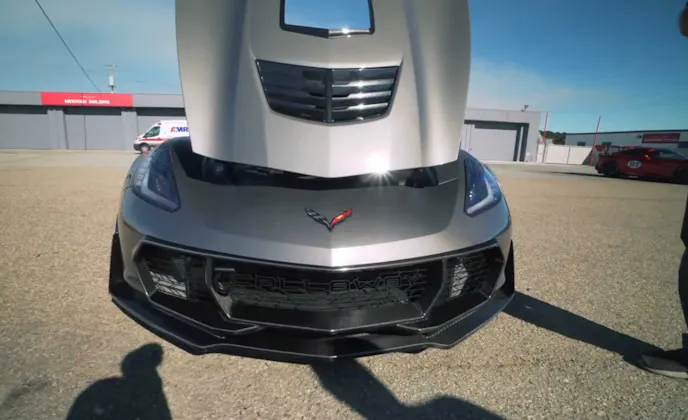
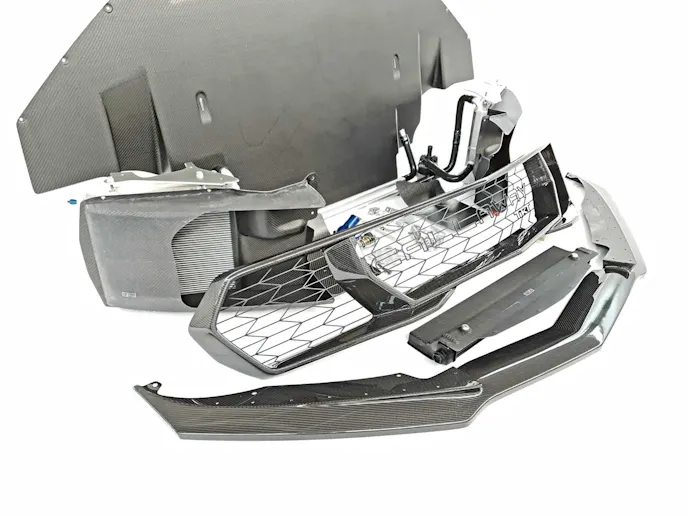
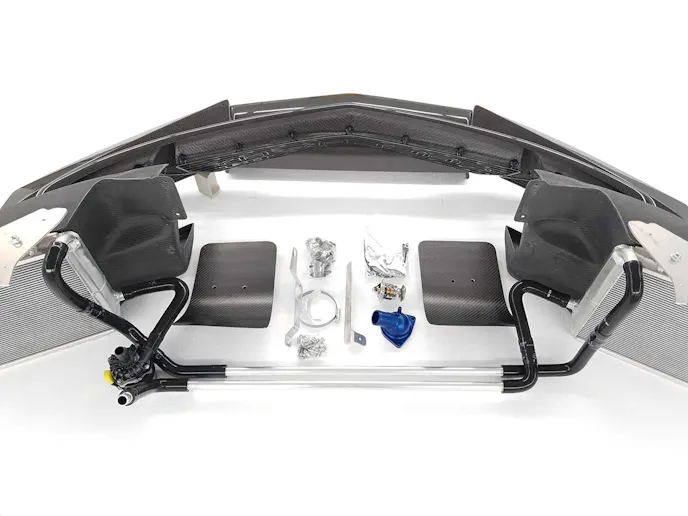
The car also uses Callaway’s upgraded cooling system which uses a different grill and pushes the supercharger’s low-temp coolers and moved them outboard to open up airflow to the engine’s radiator. The front also includes an air-to-oil cooler to help the lifeblood of the engine from reaching critical mass temp.
The big thing to take away is that all temperatures reach a system-saturation point after 6-7 minutes of running, as opposed to a stock Z06… Pete Callaway, Callaway Cars
While checking off boxes is always fun, it’s even more fun to see and feel the difference. While a video can only go so far with what you’ll feel, the numbers don’t lie. In this video of a full 25-minute session at Willow Springs International Raceway, Callaway has documented many of the areas of importance to prove the mettle of their products. The ambient temperature was well over 100-degrees and the track surface reached a New Balance searing 148-degrees Fahrenheit!
The car was put on track after a few hours to heat-soak from an earlier thrash and Callaway carried a bevy of data logging equipment throughout the entire hot lap session so you can see the system working in real-time. Callaway commented, “The big thing to take away is that all temperatures reach a system-saturation point after 6-7 minutes of running, as opposed to a stock Z06 where all temps escalate uncontrolled until one of them triggers “Reduced Engine Power” (limp-mode).”
Everything is put out there during the run, and if you’re the type who really enjoys digging into the data, Callaway has also posted many other test results on their website. Check out this video, if for no other reason than to give your day a soundtrack to get started.
You might also like
AWD Cadillac CTS-V Cranks Out 1,400 Horsepower
This AWD Cadillac CTS-V makes 1,400 horsepower from a twin-turbo LS build and still runs its full factory interior, AC, and power steering.