

Swapping a modern LS engine into a classic chassis is a massive undertaking, and wiring is usually the part that scares builders the most. Grabbing a dirty, brittle OEM wire loom from the junkyard might seem like a great way to save a few bucks. However, dealing with broken connectors and hidden shorts will quickly turn your dream project into a nightmare. Investing in a high-quality aftermarket harness is the smartest way to guarantee your new engine actually starts and runs reliably from day one.
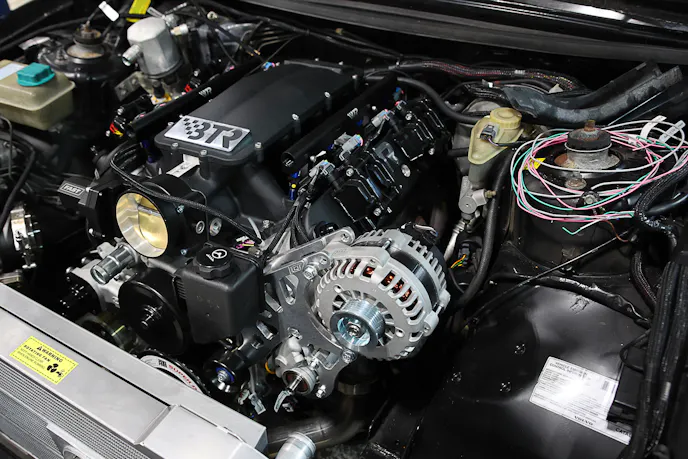
Planning The Route For Your New Wiring
Before you start drilling holes in the firewall, you need a solid plan. Bill Hillock from BP Automotive recommends laying the entire setup out on the floor to familiarize yourself with the connectors and wire lengths. You must figure out where the ECU and fuse block will live, preferably inside the passenger compartment, where they are protected from underhood heat and moisture. Routing is critical, so always avoid pinch points, sharp metal edges and hot exhaust tubing.
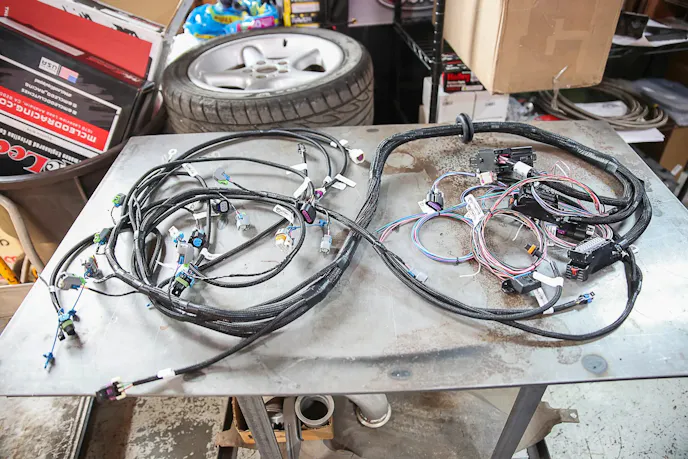
Why An Aftermarket Harness Beats Salvaged Parts
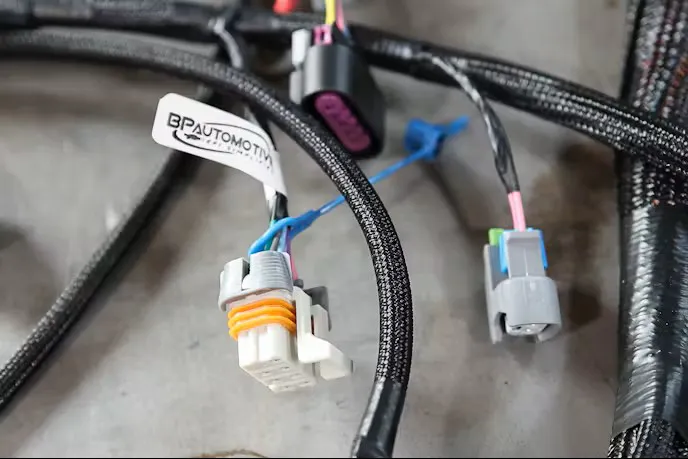
An old factory loom is full of unnecessary circuits for emissions and body controls that you simply do not need. Furthermore, a professionally built system utilizes superior construction materials. BP Automotive builds their kits using TXL cross-linked wire, which offers incredible resistance to heat, abrasion and chemicals. They also use strict production-grade crimping tools rather than cheap hand repair tools, ensuring every single terminal connection meets or exceeds factory standards.
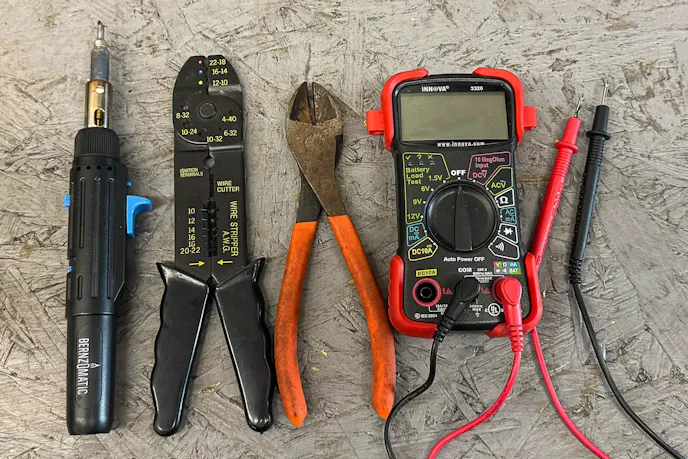
Tools Needed For The Installation
Having the right equipment on hand makes the job significantly easier. Chuck Stefanski at Big 3 Racing handled the wiring for Project Swedish Meatball and notes that proper preparation is key. When installing the kit, you will need quality wire strippers, a heat gun, a soldering iron and an assortment of zip ties. A hole saw and a rubber firewall grommet are mandatory for routing wires safely into the cabin. Finally, always keep a multimeter nearby to verify grounds and troubleshoot connections.
The BP Automotive Solution
For Project Swedish Meatball, the team needed a reliable foundation for the turbocharged 5.3-liter LS. They selected the GEN IV Engine Controller Kit from BP Automotive. This specific setup is designed for a 58x reluctor wheel and comes completely ready to run. It includes the ECU, a drive-by-wire gas pedal, and oxygen sensors. The crew paired it with a Holley 4-bar MAP sensor for boost control and a standard GM alternator for easy replacement on road trips.
Spending the extra money on a proper aftermarket harness up front is the best way to prevent chasing frustrating electrical ghosts down the road. Whether you’re dropping a junkyard 5.3 into a square-body, stuffing an LS3 into a first-gen Camaro, or building a turbocharged street machine like Project Swedish Meatball, reliable wiring is the foundation that ties the entire combination together. Starting with a purpose-built harness from a company like BP Automotive eliminates countless hours of troubleshooting and gives you the confidence that every sensor, injector, and ignition event is happening exactly as it should. In the world of LS swaps, few upgrades provide more peace of mind than knowing the engine will fire up every time you turn the key.
You might also like
The Science Of The Port: How Supercharger Porting Makes More Power (Part 1)
Learn how Kong Performance uses supercharger porting to improve airflow, efficiency, and horsepower in supercharged GM LS and LT engines.