

Dropping a massive turbocharged V8 into a classic chassis instantly changes the performance dynamic of any project vehicle. Project Swedish Meatball recently received a turbocharged 5.3-liter LS swap, meaning the original factory cooling components were immediately obsolete. A factory four-cylinder cooling system simply cannot handle the extreme thermal loads generated by a 600-horsepower V8 operating under heavy boost. Upgrading the entire cooling system is mandatory to prevent catastrophic engine failure, and picking the right radiator is the most important step in that entire process.
The Science Behind Picking The Right Radiator
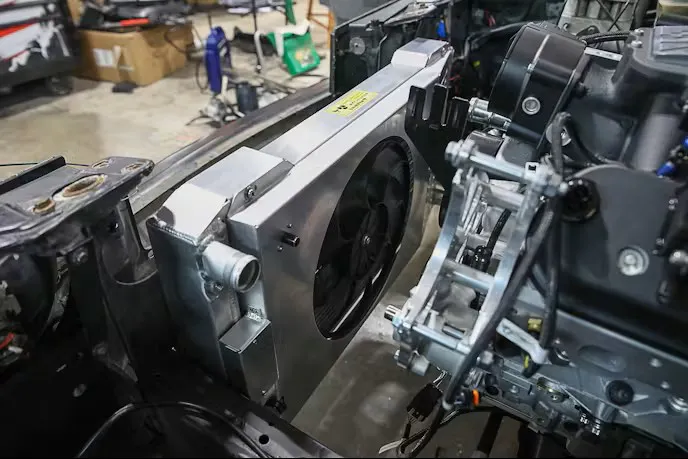
Engine cooling relies entirely on the basic principles of thermodynamics. The mechanical water pump pushes fluid through the hot engine block, absorbing intense combustion heat before flowing into the upper radiator tank. As the hot fluid travels down through the core, the internal fins transfer that heat into the ambient air passing through the front grille of the vehicle. Ryan Salata from PROFORM Parts explains that as horsepower increases, the thermal output increases exponentially. A system that cannot reject heat fast enough leads to severe detonation, blown head gaskets, oil viscosity breakdown and warped aluminum engine blocks.
Avoiding Common Cooling Mistakes
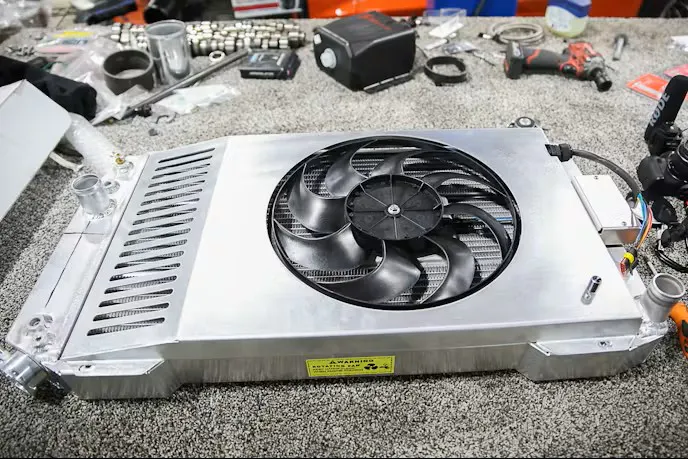
Enthusiasts often try to save engine bay space or cut front-end weight by installing an undersized core. Salata strongly advises against this risky strategy. You can never have too much cooling capacity on a street-driven performance car, but falling short will undoubtedly leave you stranded on the side of the road. Another common error is relying on cheap plastic end tanks or thin composite materials commonly found in standard replacement parts. A high-performance engine build requires a robust, all-aluminum construction to handle increased system pressures and aggressive daily heat cycles.
Maximizing Core Surface Area
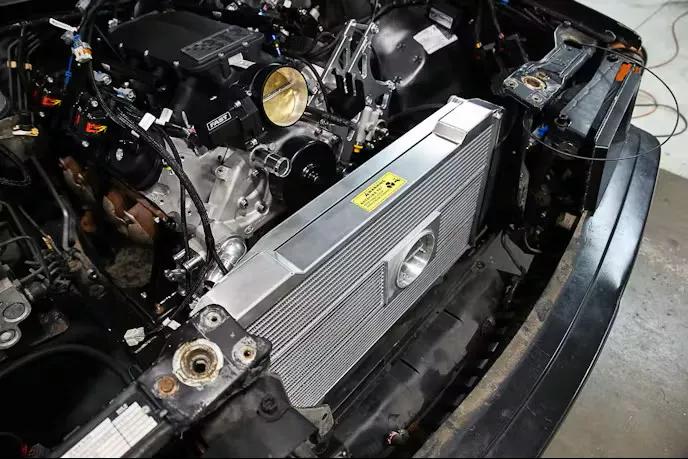
The physical dimensions of the core dictate exactly how effectively it can shed heat. You should always install the largest physical unit that can safely fit inside your engine bay without obstructing natural airflow. The number of internal tubes also matters greatly. Upgrading from a basic single-row unit to a thick dual-row or triple-row core significantly increases the total cooling surface area. However, thicker cores require much stronger fans to pull ambient air all the way through the densely packed fins, especially when idling in heavy summer traffic.
The PROFORM Slim-Fit Solution
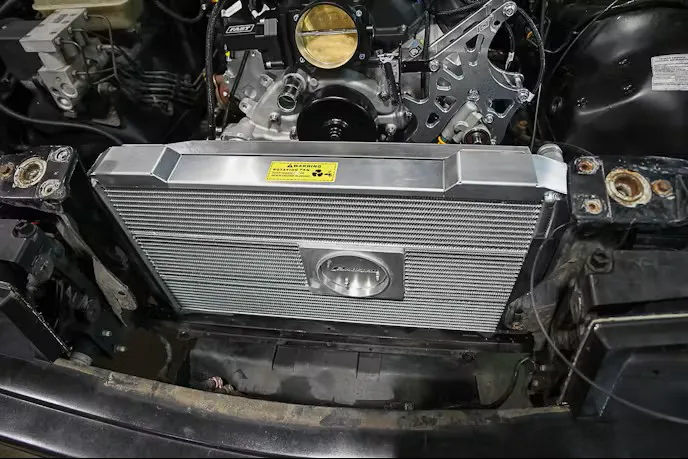
Finding space for a massive cooling package in a heavily modified, swapped vehicle is always a fabrication challenge. To solve the tight packaging issues in the Volvo 940 engine bay, the crew selected the PROFORM Slim-Fit system. This innovative hybrid-core design utilizes TIG-welded aluminum and measures under 4 inches thick when fully assembled. It comes right out of the box with a custom shroud and a powerful electric fan capable of flowing 1,650 cfm. Doing your homework and picking the right radiator for your specific horsepower goals guarantees your swapped project will survive everything from brutal daily traffic to wide-open throttle track passes.
For Project Swedish Meatball, the PROFORM Slim-Fit radiator delivers the cooling capacity needed without creating packaging headaches in the tight Volvo engine bay. More importantly, it provides the confidence that the car can handle everything from stop-and-go traffic to full-boost pulls without overheating. As power levels continue to climb in modern engine swaps, investing in a properly engineered cooling system isn’t just a smart upgrade — it’s cheap insurance against the kind of failures that can end a project before it ever reaches its full potential.
You might also like
Mills Robinson’s 1967 Camaro Is A 700-RWHP Pro Touring Machine
Mills Robinson's 1967 Camaro packs a 404-cubic-inch LS2, nearly 700 WHP, a custom suspension, and decades of homebuilt pro touring innovation.